
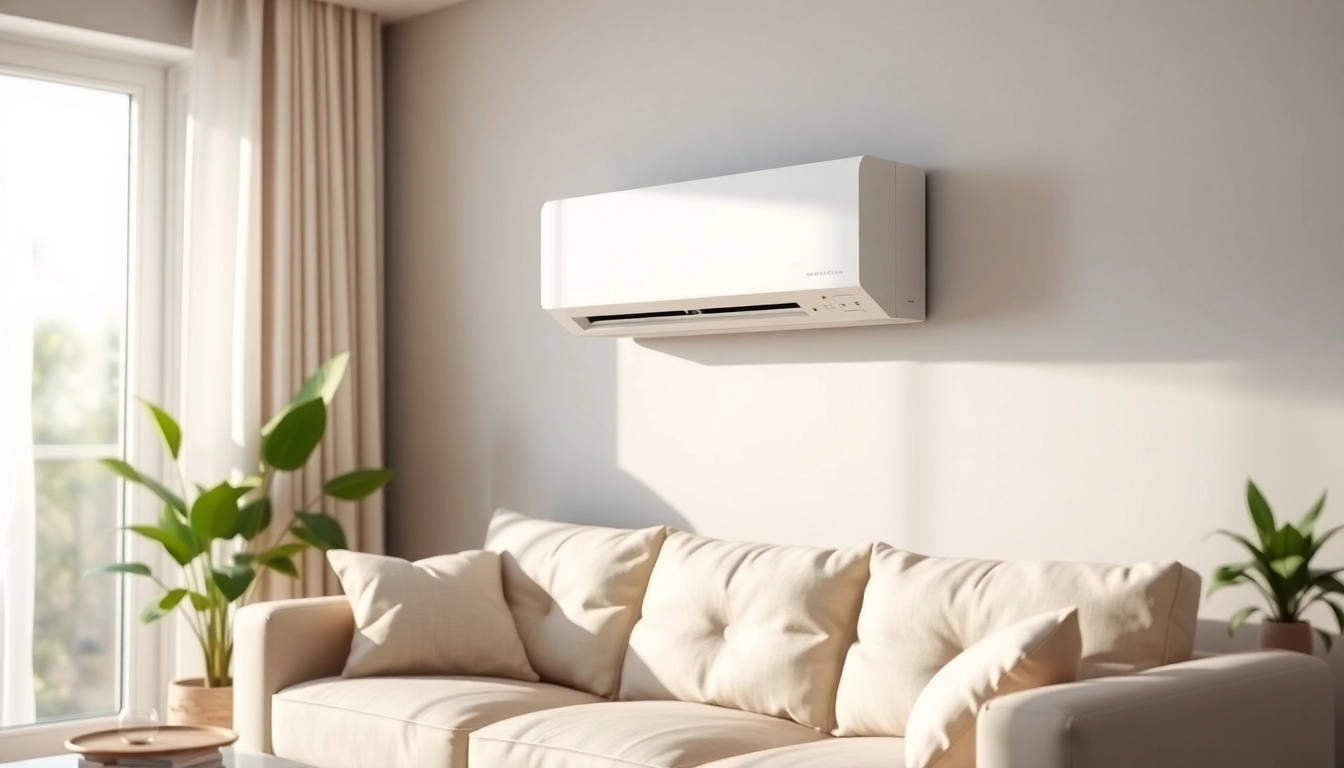
What is a Mini Split AC?
Definition and Overview
A mini split ac is a compact air conditioning system that offers flexibility and efficiency, particularly suited for homes lacking central air conditioning ductwork. This system consists of two main components: an outdoor unit and one or more indoor air handlers, connected by refrigerant lines. The indoor units can be installed in various locations, spreading cooling effectively across different rooms, which makes them ideal for climate control in both residential and commercial spaces.
Components of a Mini Split AC
A mini split ac system has several key components that work together to provide effective temperature control.
- Outdoor Unit: Contains the compressor and condensing coil, responsible for expelling heat from the refrigerant.
- Indoor Unit: This part contains the air handler and evaporator coil, which cools and circulates the air within the space.
- Refrigerant Lines: These insulated copper tubes connect the indoor and outdoor units and are responsible for moving the refrigerant between them.
- Remote Control: Most systems come with a wireless remote for conveniently adjusting settings from anywhere in the room.
How It Works
The functionality of a mini split ac can be summarized in four main steps:
- Heat Absorption: Warm air from the indoor space enters the indoor unit. In the evaporator coil, the refrigerant absorbs this heat, evaporating in the process.
- Heat Transfer: The refrigerant, now in gas form, flows to the outdoor unit via the refrigerant lines. Here, the compressor raises the gas’s pressure and temperature.
- Heat Release: The hot refrigerant gas passes through the condenser coil in the outdoor unit. As it cools, it releases the absorbed heat into the outside air, condensing back into a liquid state.
- Cycle Repetition: The cooled refrigerant then flows back to the indoor unit, where the cycle repeats, continuously cooling the indoor space.
Advantages of Using Mini Split AC
Energy Efficiency and Cost Savings
One of the most compelling advantages of mini split ac systems is their energy efficiency. Unlike traditional air conditioning units that need to cool an entire house, mini splits can target specific areas, significantly reducing energy usage. Typical systems boast Seasonal Energy Efficiency Ratios (SEER) of 15 or higher, compared to the minimum SEER rating of 14 for conventional units. By only cooling occupied spaces, homeowners witness notable reductions in monthly energy bills.
Flexible Installation Options
Mini split ac systems offer incredible flexibility in installation compared to central air systems. Because they require no ductwork, installation is less invasive and can be completed in less time. Indoor units can be mounted on walls, ceilings, or even integrated into the building infrastructure, providing options for different design aesthetics. This flexibility allows homeowners to customize their spaces without compromising their architectural integrity.
Improved Indoor Air Quality
Mini split systems can also enhance indoor air quality. They often feature advanced filtration systems that can remove allergens, dust, and other pollutants from the air. Moreover, without ducts, the potential for dust and mold buildup, which can occur in traditional HVAC systems, is minimized. This makes mini splits an excellent choice for individuals suffering from allergies or respiratory conditions.
Installation Process for Mini Split AC
Preparing for Installation
Before installing a mini split ac, proper preparation is essential. Homeowners should assess their space, determining the most effective location for the indoor unit(s) to optimize airflow. It’s also crucial to consider electrical requirements, ensuring that there is adequate power supply available for operation.
Installation Steps Explained
The installation process can be broken down into several distinct steps:
- Mounting the Indoor Unit: Use a level to properly position the indoor air handler on the wall, making sure it’s within the required distance from the ceiling and flooring for optimal airflow.
- Drilling a Hole for the Refrigerant Lines: A small hole needs to be drilled to connect the indoor and outdoor units. It’s usually done through an external wall.
- Installing the Outdoor Unit: Position the outdoor compressor unit outside on a solid base, ensuring sufficient space around it for airflow.
- Connecting Refrigerant Lines: Carefully connect the refrigerant lines between the indoor and outdoor units, ensuring no leaks.
- Electrical Connections: Make sure to connect the power supply to both units, following local electrical codes.
- Testing the System: After installation, it is vital to perform a system check to ensure everything is functioning correctly.
Common Installation Mistakes
While installing a mini split ac can be a straightforward process, there are common pitfalls to avoid:
- Not properly sealing refrigerant connections can lead to leaks.
- Improper placement of the indoor unit can restrict airflow.
- Neglecting to check local building codes and electrical requirements may result in fines or unsafe installations.
Maintenance Tips for Mini Split AC
Regular Cleaning and Care
Maintaining a mini split ac requires regular cleaning of the air filters and indoor coil. Filters need to be cleaned or replaced every 1-3 months, depending on usage and air quality. Cleaning the outdoor unit’s condenser coil helps ensure proper heat exchange and efficient operation.
Troubleshooting Common Issues
Occasionally, mini split ac units may face operational issues. Some common problems include:
- Weak Airflow: This could be due to dirty filters or blocked vents.
- Refrigerant Leaks: Signs may include ice buildup on the coils or hissing sounds.
- System Not Cooling: Check settings and ensure the outdoor unit is free of debris.
When to Call a Professional
While regular maintenance can be performed by the homeowner, specific issues such as refrigerant leaks, power supply problems, or malfunctioning components should be addressed by a professional. Regular tune-ups by a technician can also extend the lifespan of the unit.
FAQs About Mini Split AC
What are the benefits of a mini split AC compared to traditional units?
Mini split ACs are more energy-efficient, provide flexible installation options, and enhance indoor air quality as there is no ductwork to gather dust and pollutants.
How do I determine the right size for my space?
The size required is determined by the BTU rating needed for your space, based on factors like square footage, insulation quality, and ceiling height. It’s best to consult with an HVAC professional.
Is professional installation required for mini splits?
While some homeowners may opt for DIY installation, professional installation is recommended to ensure proper setup and to avoid potential issues.
What are the costs associated with mini split AC systems?
Costs vary based on the number of units, installation complexity, and brand. Generally, units range from $700 to over $3,000, including installation.
How often should I maintain my mini split AC?
Regular maintenance should be performed monthly or bi-monthly for filter cleaning, with professional inspections at least once a year to ensure optimal performance.