Understanding Cabinetry Basics
What is Cabinetry?
Cabinetry refers to built-in furniture that encloses items for storage, typically found in kitchens, bathrooms, and other areas of the home. It encompasses cabinets, shelves, and drawers crafted to provide both functionality and aesthetic appeal to specific spaces. High-quality cabinetry not only serves practical purposes but also enhances the overall decor of a home.
The History of Cabinetry
The evolution of cabinetry dates back centuries. Initially, cabinets were simple, functional structures made for storage. Over time, they became a testament to craftsmanship, particularly during the Renaissance period when intricate carvings and luxury materials were used. Fast forward to the Industrial Revolution, where mass production began to change cabinetry into a more accessible product. Today, cabinetry can range from high-end custom-made pieces to affordable pre-fabricated units, each reflecting the era and craftsmanship involved in its creation.
Types of Cabinetry Materials
Understanding the materials used in cabinetry is crucial for making informed decisions regarding both durability and aesthetic appeal. Here are some common materials:
- Solid Wood: Renowned for its durability and classic appearance, solid wood is often the preferred choice for high-end cabinetry.
- Plywood: A versatile option made from layers of wood veneer, plywood is stable and less prone to warping.
- MDF (Medium Density Fiberboard): A budget-friendly alternative, MDF is ideal for painted cabinets due to its smooth surface.
- Particle Board: Made from compressed wood particles, particle board is economical but less durable compared to solid wood or plywood.
- Metal: Used in contemporary designs, metal cabinetry is easy to clean and can add a modern touch to spaces.
Designing Your Cabinetry Space
Assessing Your Kitchen Layout
The design of cabinetry begins with a thorough assessment of your kitchen layout. A functional kitchen should promote efficiency, and the arrangement of cabinetry plays a significant role in achieving this. Consider workflow patterns, commonly used appliances, and the areas where you prepare and cook food. Utilize the “kitchen work triangle” concept—placement of the stove, sink, and refrigerator to ensure optimal movement.
Choosing the Right Style
Selecting a cabinetry style is essential for harmonizing your kitchen’s overall aesthetic. Popular styles include:
- Traditional: Characterized by ornate details and rich woods, traditional cabinetry often evokes a timeless elegance.
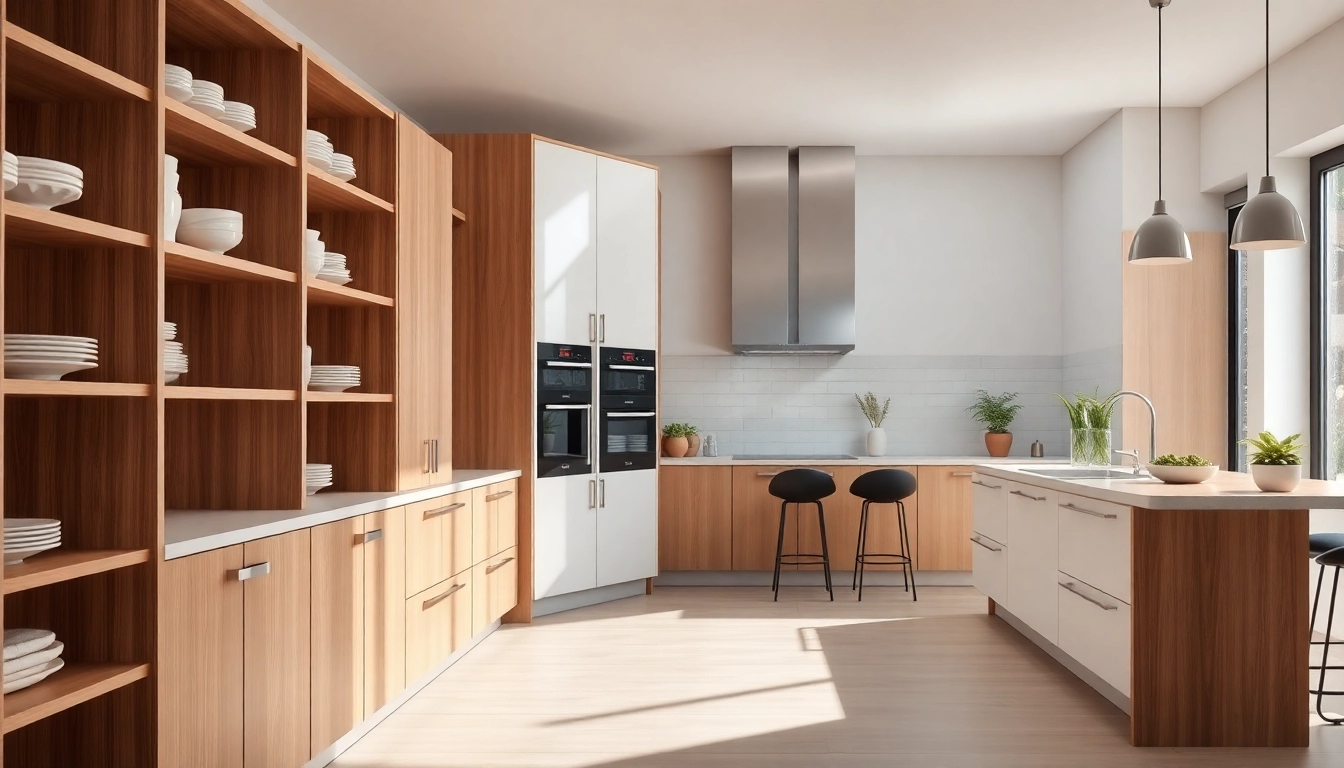
- Modern: Known for clean lines and minimalism, modern cabinetry focuses on functionality and simplicity.
- Shaker: A popular choice for both modern and traditional homes, Shaker-style cabinetry features a simple, flat panel design.
- Rustic: Incorporating natural woods and finishes, rustic cabinetry complements farmhouse-inspired decor.
Color Schemes and Finishes
The color and finish of cabinetry can dramatically affect a space’s mood and appearance. Light colors can make a kitchen feel more spacious, while darker shades can add sophistication and warmth. Finishes also play a crucial role; options include natural stains, paint, or glazes. Matte finishes create a contemporary look, while glossy finishes can provide a sleek, polished effect.
Importance of Quality in Cabinetry
Durability and Functionality
Investing in high-quality cabinetry ensures longevity and functionality. Quality materials typically offer better resistance to wear and tear, moisture, and temperature variations. Furthermore, well-designed cabinets can facilitate organization and accessibility, making daily activities seamless.
Choosing Hardware and Accessories
Hardware such as knobs, handles, and pulls are essential elements that complement your cabinetry’s overall design. Choose hardware that not only enhances the aesthetic but also provides ease of use. Consider materials such as brushed nickel or antique brass, which blend well with different cabinetry styles. Accessories like pull-out shelves, lazy Susans, and drawer dividers can also optimize storage and functionality.
Maintenance Tips for Longevity
To preserve the integrity and beauty of your cabinetry, regular maintenance is crucial. Always clean surfaces with a damp cloth and avoid harsh chemicals. Periodically check for any loose hardware or wear and address small repairs promptly. For wood finishes, consider applying a suitable wax or polish to keep surfaces looking their best.
Installation Process of Cabinetry
Preparing for Installation
Before installation begins, ensure that your cabinetry is ready to be fitted into the designated space. This involves clearing the area, taking precise measurements, and ensuring that any electrical or plumbing work is complete. Proper preparation can make the installation process smoother and more efficient.
Do-It-Yourself vs Professional Installation
Deciding between DIY installation and hiring a professional depends on your skills and the complexity of the cabinetry project. DIY installation can save money but requires considerable expertise and tools. On the other hand, professional installers bring experience and can often complete the job more quickly, ensuring a perfect fit and finish.
Common Installation Challenges
Some common challenges when installing cabinetry include misalignment, uneven walls, and inadequate support. One way to avoid these issues is by carefully following the manufacturer’s instructions and using a level during installation. Additionally, it’s essential to have a helpful second pair of hands to assist with larger cabinets.
FAQs about Cabinetry
What is the average cost of cabinetry?
The cost of cabinetry can vary widely based on materials and design, ranging typically from $100 to $1,000 per linear foot.
How do I maintain my cabinetry?
Regularly clean with a damp cloth and avoid harsh chemicals to preserve the finish and prevent damage.
Are custom cabinets worth the investment?
Yes, custom cabinets offer tailored solutions that fit your exact needs, enhancing both functionality and aesthetic appeal.
Can I paint my cabinetry?
Absolutely! Painting cabinetry can refresh your space, but proper preparation is key to a lasting finish.
How long does cabinetry installation take?
Installation time can vary, but it usually takes about 1-3 days depending on the complexity of the design.