Understanding the Appeal of Wood Panel
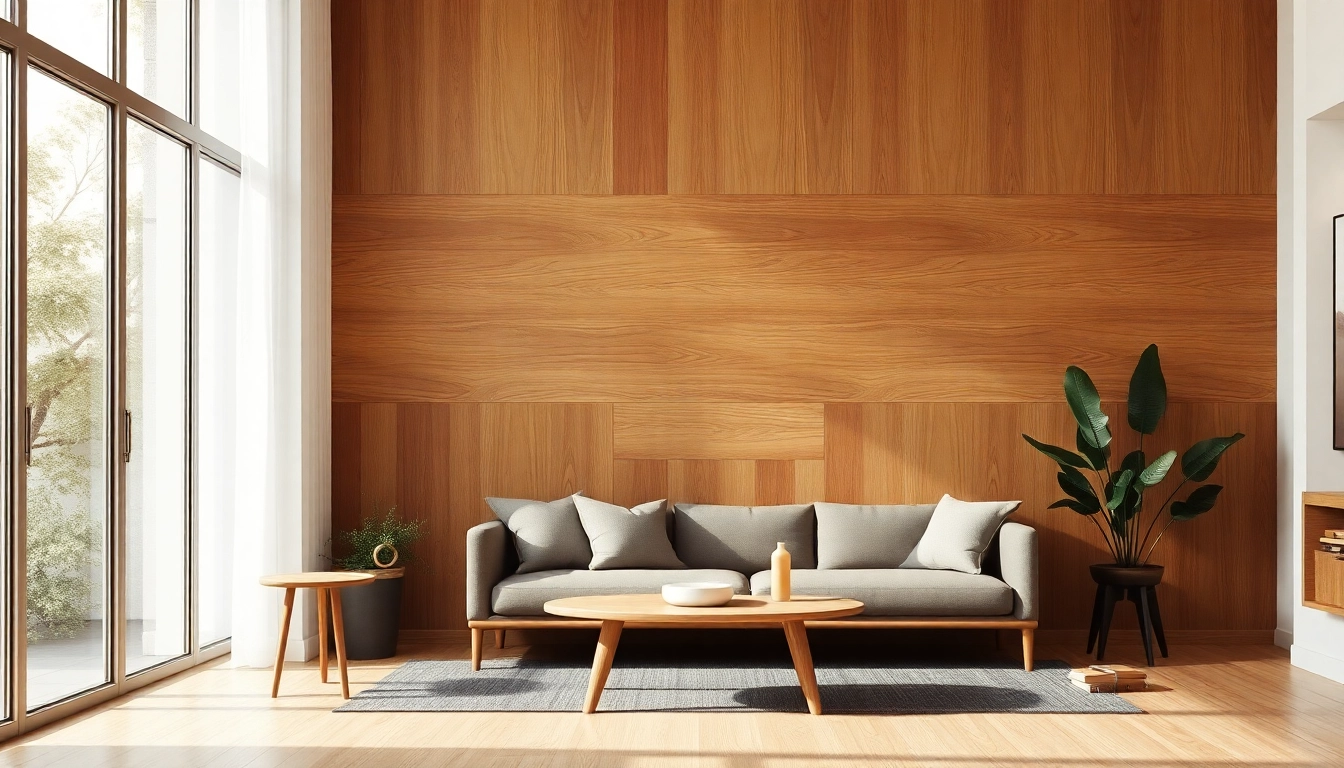
Wood paneling combines aesthetics, functionality, and sustainability into one appealing choice for interior design. wood panel not only enhances the visual appeal of any room but also contributes to a cozy, natural atmosphere. It represents a return to nature, offering warmth and character to modern spaces, while allowing homeowners to express their individuality through various styles and designs.
Why Choose Wood Panel
Wood panels are an excellent choice for those looking to blend elegance with durability. They provide several benefits:
- Aesthetic Value: The natural beauty of wood can effortlessly transform any space, adding texture and depth.
- Insulation: Wood has natural insulating properties, which can help maintain room temperature and reduce energy costs.
- Variety: Available in various finishes, species, and styles, wood panels can cater to any design preference, from rustic charm to modern minimalism.
- Durability: When properly maintained, wood panels can last for decades, making them a worthwhile investment for any property.
- Sustainability: Many wood panels come from sustainably harvested forests, providing an environmentally-friendly choice for conscientious consumers.
Comparing Wood Panel Options
When it comes to selecting the right wood panel, several options are available, each with its advantages and disadvantages:
- Solid Wood Panels: These panels are crafted from solid pieces of wood, offering unmatched durability and aesthetic appeal. However, they might be more expensive.
- Engineered Wood Panels: Made from several layers of wood, these panels are often more affordable and stable, reducing the risk of warping.
- Plywood Panels: Utilizing thin layers of wood, plywood offers a strong and versatile option, often used in construction and furniture.
- Composite Panels: These panels merge wood fibers with other materials to create cost-effective alternatives that can mimic the look of solid wood.
- Reclaimed Wood Panels: Using salvaged wood not only showcases unique character but is also a sustainable choice.
Environmental Considerations
As sustainability becomes increasingly important, the wood panel industry has made significant strides toward eco-friendliness. Considerations include:
- Sourcing: Look for panels sourced from responsible, sustainable forestry practices to minimize environmental impact.
- Low VOC Finishes: Choosing panels with low volatile organic compounds (VOCs) helps improve indoor air quality.
- Life Cycle: Evaluate the life cycle of the wood panel product, from harvest to disposal, to ensure minimal environmental footprint.
Installation Techniques for Wood Panel
Installing wood panels can be a straightforward project, depending on the method chosen. Understanding the options is key to a successful installation.
DIY Methods for Wood Panel Installation
For those who enjoy home improvement, DIY installation of wood panels can be rewarding:
- Preparation: Ensure walls are clean, dry, and free of imperfections. Gather tools like a level, saw, adhesive, and fasteners.
- Measuring and Cutting: Measure the wall lengths and cut panels accordingly. It’s essential to get precise cuts for a seamless fit.
- Trial Fit: Before securing, do a trial fit of the panels to ensure alignment and design layout.
- Installation: Apply adhesive and secure panels using fasteners, ensuring they are level and evenly spaced.
- Finishing Touches: Trim any excess and fill gaps with caulk or wood filler as needed. Sand and stain or seal for durability.
Hiring Professionals: What to Expect
If DIY is not an option, hiring professionals is a viable choice. Here’s what to expect:
- Consultation: Professionals will typically begin with a consultation to understand your vision and recommend the best materials.
- Assessment: They will assess the space and prepare for installation, including any necessary repairs to underlying structures.
- Expertise: Skilled installers ensure that the panels are aligned correctly and securely fastened, minimizing the risk of future issues.
- Cleanup: Professionals usually handle cleanup after installation, leaving you with a polished and finished look.
Common Installation Mistakes to Avoid
Installation can be challenging, and avoiding common mistakes is crucial for a successful project:
- Neglecting to Acclimate the Wood: Failing to acclimate wood panels can lead to warping post-installation; always allow panels to adjust to room conditions.
- Poor Measurements: Double-check measurements to avoid miscuts that can increase costs and time for repairs.
- Lack of Planning for Expansion: Wood expands and contracts; ensure there’s enough space to accommodate this movement.
- Skipping Sealing: Not sealing wood panels can lead to degradation and decreased lifespan; always apply a sealant for protection.
Designing with Wood Panel
Wood panels are versatile, allowing for various design possibilities. They can serve as a focal point or complement other design elements.
Color Schemes and Wood Panel
When incorporating wood panels into your design, consider how colors harmonize:
- Natural Finishes: Select natural wood finishes to create a warm, inviting atmosphere in any room.
- Bold Contrasts: Pair lighter wood panels with dark furniture or decor for striking contrasts that catch the eye.
- Monochromatic Tones: Use various shades of the same color palette to create a cohesive, sophisticated look.
- Accent Walls: Consider using wood paneling for accent walls, allowing it to stand out against simpler decor.
Combining Wood Panel with Other Materials
Integrating wood panels with other design materials can enhance your space:
- Metal: Mixing wood panels with metal accents can lend a modern industrial feel to your decor.
- Stone: Combining wood with stone features can create an organic, earthy ambience.
- Textiles: Soft furnishings like rugs and curtains can balance the hardness of wood, adding warmth and comfort.
Trends in Wood Panel Design
Wood panel trends are evolving, showcasing innovative designs and practical applications:
- Textured Finishes: More homeowners are opting for textured wood panels that add dimension and interest.
- Geometric Patterns: Advanced cutting techniques allow for geometric patterns, providing a unique aesthetic appeal.
- Eco-Friendly Panels: The trend toward sustainability continues, with an emphasis on reclaimed wood and eco-friendly finishes.
- Multifunctional Spaces: Wood paneling is increasingly used to create multifunctional designs that serve both aesthetic and practical needs.
Maintaining Your Wood Panel Walls
Proper maintenance can extend the life and beauty of your wood panels. Here are key maintenance tips:
Cleaning Tips for Wood Panel
Regular cleaning is essential for keeping your wood panel walls looking their best:
- Dusting: Use a soft, dry cloth to regularly dust the panels and prevent dust build-up.
- Wipe Down: For deeper cleaning, use a damp cloth and a mild wood-safe cleaner, being careful not to saturate the wood.
- Spot Cleaning: Attend to stains promptly with a gentle cleaner, avoiding harsh chemicals that can damage the finish.
Repair and Restoration
Over time, wood panels may require repairs or restoration:
- Minor Scratches: Address minor scratches with scratch repair kits or polishing compounds designed for wood.
- Refinishing: For faded panels, consider a full refinishing job to restore their original beauty.
- Replacing Damaged Panels: If a panel is significantly damaged, replace it with a new piece that matches the original wood.
Sealing and Protecting Wood Panel
Sealing wood panels is crucial for longevity:
- Choosing the Right Sealant: Use sealants designed for wood to protect against moisture and damage from UV rays.
- Regular Reapplication: Depending on the environment, regularly check and reapply sealant to provide continuous protection.
- Monitoring Humidity Levels: Maintain optimal humidity to prevent warping or splitting in wood panels.
FAQs About Wood Panel
What type of wood panel is most durable?
Hardwood panels, like oak and maple, are generally the most durable, resisting wear effectively.
How much does wood paneling cost?
Costs for wood paneling range from $1 to $40 per square foot, with variations based on wood type and installation.
Can I install wood panel myself?
Yes, with the right tools and techniques, many homeowners opt for DIY wood panel installation successfully.
Is wood paneling suitable for all rooms?
Wood paneling works well in most rooms, but consider humidity levels in areas like bathrooms or kitchens.
Does wood paneling require special maintenance?
Regular dusting and occasional sealing help maintain the appearance and longevity of wood paneling.