
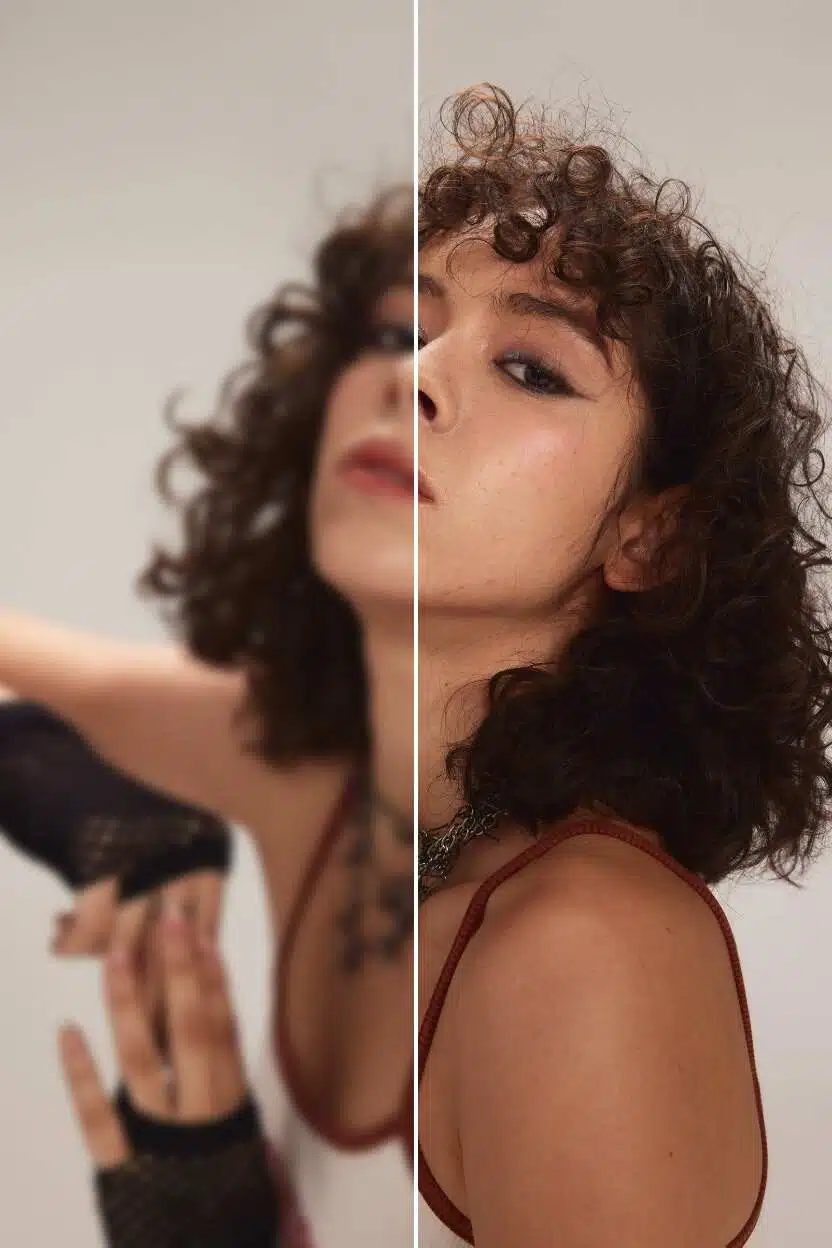
Scroll through any social media platform today, and you’ll notice an increasingly curated digital world. Faces are flawless, skin glows unnaturally, eyes appear brighter, and bodies conform to proportions rarely seen in real life. The reason behind this transformation isn’t just professional photography—it’s AI beauty filters. A new study highlights how these filters don’t merely enhance photos; they create a subtle yet powerful pressure that shapes how people perceive themselves and others. The psychological, social, and cultural effects are profound, and the consequences extend far beyond teens scrolling through TikTok or Instagram.
Understanding AI Beauty Filters and Their Psychological Impact
AI beauty filters go beyond simple photo edits. They are designed to analyze facial features in real time and enhance them according to widely accepted beauty standards. Skin is smoothed, jawlines sharpened, eyes enlarged, lips plumped, and body proportions adjusted automatically. What makes AI filters particularly impactful is the speed and subtlety—they work in live videos and selfies, creating a constant, interactive “better you.”
A study reveals that the psychological impact of filters is not trivial. Frequent exposure can push users into appearance surveillance, a mental pattern where individuals constantly evaluate themselves from the outside. This leads to self-objectification, making people see their worth through the lens of how well they match an idealized, filtered version. Over time, even those who consciously know their images are manipulated begin to internalize these standards as normal, setting a baseline that is often impossible to reach naturally.
The Study on Self-Perception and Comparison
Research confirms that AI filters amplify comparison behaviors. A study examining social media behavior found that users who frequently apply beauty filters experience heightened self-criticism and lower self-esteem. The act of seeing your filtered version repeatedly creates an internal reference group that is unrealistically idealized. This “comparison trap” can distort how people perceive their unfiltered selves, resulting in persistent dissatisfaction.
This study also emphasizes the importance of internalization. Users do not just compare; they begin to treat the filtered ideal as a personal benchmark. This internalization process fuels what psychologists call the “upgrade mindset,” where the next person you encounter online always seems more attractive, more polished, or more aligned with the AI-enhanced standard. This mindset, the study suggests, is not merely a fleeting feeling—it can influence social interactions, dating behavior, and even professional confidence.
AI Filters and Their Role in Social Pressure
A study focusing on the social consequences of AI beauty filters shows that these tools are more than personal enhancement—they become a societal standard. When the majority of users present an idealized, filtered version of themselves, the collective perception of what is “normal” shifts. Individuals begin to judge not only themselves but also others against this amplified ideal.
This social recalibration can intensify appearance-based pressure across age groups. Teenagers may experience anxiety related to peer acceptance and identity formation, while adults may feel pressure to maintain a digitally optimized image for dating apps or workplace visibility. Even older adults, who may wish to embrace natural aging, report heightened self-consciousness after prolonged exposure to AI-enhanced images. The study underscores that these pressures are cumulative and often invisible, quietly influencing attitudes toward beauty and self-worth at every stage of life.
The Mental Health Implications Revealed by the Study
The mental health consequences associated with AI beauty filters are multifaceted. A study examining user behavior noted a correlation between frequent filter use and symptoms of chronic anxiety, body dissatisfaction, and lower overall life satisfaction. Filters can trigger self-objectification, appearance comparisons, and internalization of unattainable standards—all factors that increase vulnerability to mental health struggles.
Individuals caught in this cycle may engage in compulsive grooming, editing, or frequent filter use to temporarily restore self-esteem. However, the relief is fleeting, and the gap between filtered and real-life appearances often widens, deepening dissatisfaction. The study highlights that this feedback loop can be particularly damaging for people already prone to perfectionism or appearance-based anxiety, creating a mental trap that reinforces the very insecurities AI filters are designed to mask.
Influence of the Study on Cosmetic Decisions
AI beauty filters also intersect with interest in cosmetic procedures. A study investigating correlations between selfie behavior, filter use, and cosmetic surgery aspirations found that users who relied heavily on filters were more likely to consider procedures aimed at matching their filtered appearance. While causation cannot be definitively established, the study illustrates a real-world pattern: filtered beauty sets expectations that natural faces often fail to meet.
Over time, this can normalize the belief that altering one’s appearance is not just an option but a requirement for social competitiveness. The pressure is subtle yet pervasive: when AI filters shape the digital standard of beauty, real-life imperfection increasingly feels like a deviation from what is acceptable. This trend, the study suggests, can have lasting implications for self-image and societal perceptions of attractiveness.
Age-Specific Findings from the Study
The impact of AI beauty filters varies across age groups. A study examining age-related effects found that teenagers are particularly vulnerable due to ongoing identity formation. Constant exposure to filtered faces can create a split between the online, idealized self and the offline, unfiltered self. This divergence often produces anxiety, fragile self-esteem, and increased sensitivity to peer comparison.
Adults face pressures in professional and romantic settings. AI filters exacerbate concerns about workplace image, online dating, and age-related appearance changes. The study notes that even adults who initially resist filter use may succumb to subtle social pressures, feeling compelled to meet the digitally curated expectations that dominate social platforms. For older adults, the study indicates that AI filters can intensify feelings of accelerated aging shame, as artificial youthfulness is portrayed as the standard across all age groups.
Societal Shifts Highlighted by the Study
Beyond individual effects, a study reveals broader societal consequences of pervasive AI beauty filters. When digitally enhanced images dominate feeds, society collectively recalibrates its perception of attractiveness. Natural variation—wrinkles, asymmetry, body diversity—becomes perceived as deviation or flaw. This shift can influence social dynamics, increase appearance-based discrimination, and reinforce narrow beauty ideals across gender, age, and ethnicity.
The study also points out that social interactions increasingly rely on filtered presentations. If attention and acceptance are contingent on digital perfection, authenticity declines, and loneliness rises. People may hide emotions, avoid unfiltered social situations, or construct identities around their idealized selves, creating a culture where image management takes precedence over genuine connection.
The Future of AI Filters According to the Study
While AI beauty filters are still evolving, a study suggests that their societal influence is likely to grow. Increasingly sophisticated algorithms may further refine standards of digital attractiveness, making comparisons more pervasive and internalization more intense. Without conscious awareness and media literacy, the gap between digital ideals and real-life appearance may continue to widen, with corresponding effects on mental health, social behavior, and perceptions of beauty.
Policymakers and social platforms have begun debating potential restrictions to curb excessive beautification, but regulation is challenging. A study emphasizes that awareness, balance, and responsible use are essential to mitigate harm, especially since filters function as both personal enhancement tools and subtle social forces shaping collective expectations.
FAQs
What does the study reveal about AI beauty filters?
The study shows that AI beauty filters influence self-perception, increase comparison behavior, and create social pressure to conform to digitally enhanced standards.
Do AI beauty filters lower self-esteem according to the study?
Yes, the study finds a link between frequent filter use, self-objectification, and reduced self-esteem across various age groups.
Can AI beauty filters affect mental health?
The study indicates that filters can contribute to anxiety, body dissatisfaction, compulsive editing behaviors, and increased vulnerability to perfectionism.
Are teens the most affected according to the study?
Teens are particularly vulnerable because they are still forming identity, but adults and older adults also experience pressure in dating, work, and social contexts.
Do AI beauty filters influence cosmetic surgery decisions?
The study suggests a correlation: users who rely heavily on filters are more likely to consider procedures to match their filtered appearance.
Is the pressure from AI filters only cosmetic?
No, the study highlights psychological, social, and cultural dimensions of pressure, including diminished authenticity and loneliness.
What can mitigate the negative effects observed in the study?
Awareness, balanced filter use, media literacy, and spending more time in unfiltered environments help reduce the pressure created by AI beauty filters.





