Understanding the Cement Block Making Machine
What is a Cement Block Making Machine?
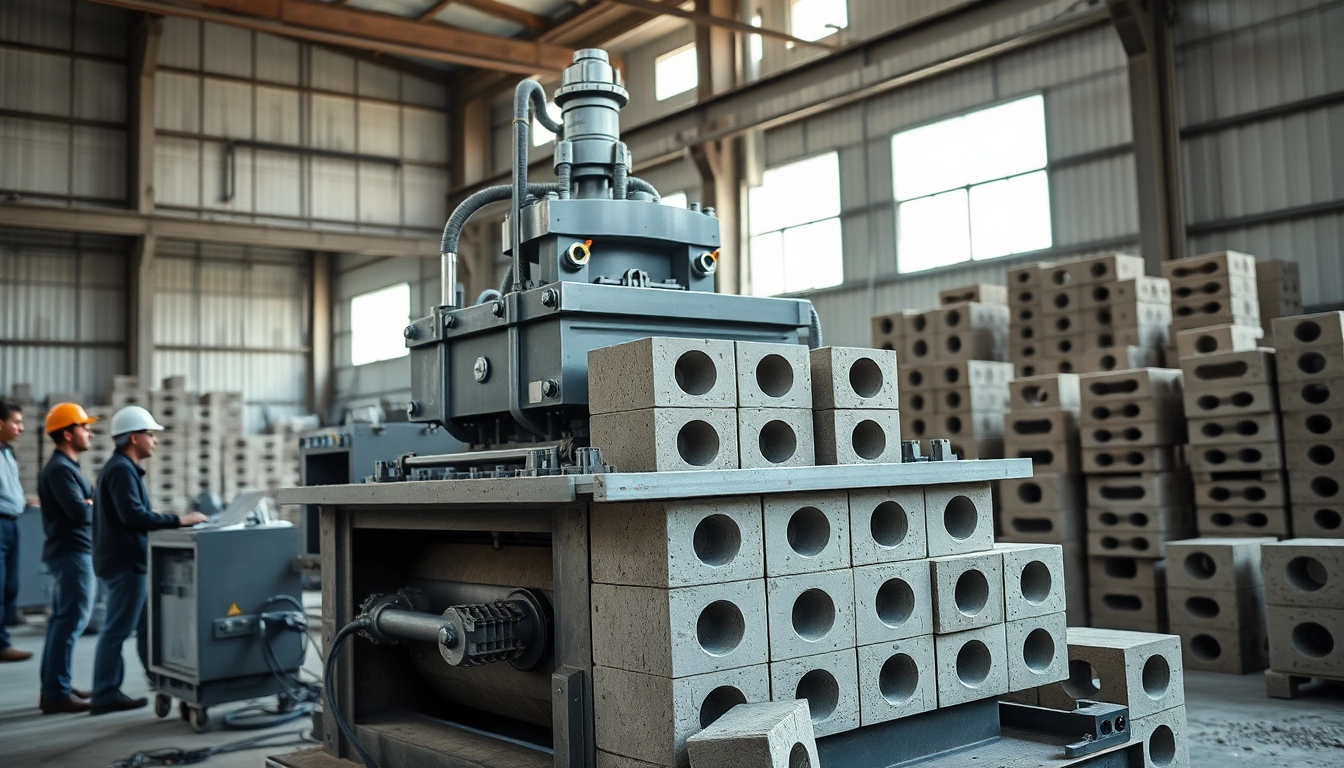
A Cement Block Making Machine is an industrial machine designed specifically for the production of concrete blocks, which are essential materials in the construction industry. These machines automate the process of mixing, molding, and curing cement-based products, such as solid blocks, hollow blocks, and paving stones. By streamlining the manufacturing process, they balance efficiency, precision, and cost-effectiveness, making them a vital asset for construction businesses that seek to optimize their operations.
Essentially, a Cement Block Making Machine transforms raw materials like cement, sand, and water into concrete blocks tailor-made for various construction projects. Understanding the functionality and capabilities of these machines can significantly impact your investment and production strategy.
Types of Cement Block Making Machines
Cement Block Making Machines come in various configurations, each tailored for specific types of block production. The main categories include:
- Manual Machines: Operated by hand, these machines are ideal for small-scale operations or start-ups. Although they require more labor, they are cost-effective for enterprising individuals.
- Semi-Automatic Machines: Combining human operation with automated processes, semi-automatic machines enhance production rates while still allowing for flexibility in block design.
- Fully Automatic Machines: Fully automated machines manage the entire production process, from mixing to demolding, with minimal human intervention. They are ideal for large-scale operations requiring consistent output.
- Egg-laying Machines: These unique machines produce blocks in situ, laying them directly on the ground and moving to the next position without requiring pallets. This method simplifies the process and minimizes transportation costs.
Key Components and Features
The effectiveness of a Cement Block Making Machine is governed by its key components and features. Essential parts include:
- Hydraulic System: Provides necessary pressure to form blocks efficiently while ensuring high-density production.
- Molding System: Includes molds that can produce various shapes and sizes of blocks, allowing for versatility in production.
- Conveyor System: Automates the transfer of raw materials and finished products, enhancing operational efficiency.
- Control System: Many machines include digital control panels for monitoring production and adjusting parameters easily.
Understanding these components helps businesses to choose machines that fit their production needs while also enhancing efficiency and output quality.
Benefits of Using a Cement Block Making Machine
Cost-Effectiveness and Profitability
Investing in a Cement Block Making Machine can be incredibly cost-effective in the long run. This equipment streamlines the block production process and minimizes labor costs, as fewer workers are needed for various stages of production. Additionally, production efficiency enables businesses to produce a higher volume of blocks within a shorter timeframe, ultimately leading to increased profitability. Furthermore, owning a machine reduces reliance on external suppliers, potentially saving costs associated with purchasing blocks from third parties.
Quality of Blocks Produced
The precision and automation of a Cement Block Making Machine ensure uniformity and quality in the produced blocks. Modern machines are designed to maintain standard dimensions and consistency in block weight, improving the structural integrity of buildings constructed with these blocks. Quality control measures embedded within the production line significantly reduce the likelihood of defects, which can lead to costly repairs and delays in construction projects.
Time Efficiency in Production
Time is of the essence in construction, and Cement Block Making Machines excel in enhancing production speed. For example, a fully automatic machine can produce thousands of blocks per day, drastically reducing the time taken compared to manual or semi-automatic options. This rapid production capacity allows builders to meet tight construction deadlines and take on more projects simultaneously, thereby increasing revenue potential.
Choosing the Right Cement Block Making Machine
Evaluating Your Production Needs
Choosing the right machine begins with a thorough evaluation of your specific production needs. Key considerations include:
- Production Volume: Determine how many blocks you expect to produce daily, then match this volume with machine specifications.
- Types of Blocks: Consider the variety of blocks you need (solid, hollow, or interlocking) and ensure that the machine can accommodate these types.
- Space Available: Be mindful of the machine’s size and the space required for operation to avoid operational inefficiencies.
Assessing Machine Specs and Capabilities
After identifying your production needs, it’s crucial to assess various machine specifications. Important specifications include:
- Hydraulic Pressure: The ability of the machine to generate sufficient pressure determines the density of the produced blocks.
- Cycle Time: Shorter cycle times improve production rates. Evaluate how quickly the machine can complete each block-making cycle.
- Automation Level: Determine the desired automation level based on your workforce and production needs. Automatic machines generally yield higher output but come with increased investment costs.
Price vs. Features Comparison
The last step in choosing a Cement Block Making Machine involves comparing prices against the features offered. While it’s tempting to choose cheaper options, it is crucial to evaluate long-term costs associated with durability, maintenance, and operational efficiency. Investing in a high-quality machine with advanced features may incur higher upfront costs but can lead to significant savings over its operational lifetime.
Common Challenges and Solutions
Maintenance Tips for Your Cement Block Making Machine
Regular maintenance is essential to ensure the longevity and effectiveness of a Cement Block Making Machine. Here are some tips:
- Regular Cleaning: Keep the machine clean from concrete dust and residue to prevent clogs.
- Check Hydraulic Oil Levels: Ensure hydraulic oil is at optimal levels for smooth operation.
- Inspect Electrical Components: Regularly check wiring and connections to avoid electrical malfunctions.
Troubleshooting Production Issues
Even with proper maintenance, production issues can arise. Some common problems and their solutions include:
- Inconsistent Block Quality: Check the material quality and adjust the mixing ratio as needed to ensure consistency.
- Frequent Block Breakage: Adjust hydraulic pressure settings to ensure proper compaction of materials.
- Machine Downtime: Develop a routine maintenance schedule and ensure operator training to reduce unexpected breakdowns.
Training and Safety for Operators
Operator training is paramount for efficient and safe machine operation. Comprehensive training programs should include:
- Machine Operation: Teach operators how to use the machine safely and effectively.
- Safety Protocols: Train workers on safety guidelines to prevent accidents and injuries during operation.
- Emergency Procedures: Ensure that operators know how to respond to malfunctions or accidents, maintaining a safe working environment.
FAQs About Cement Block Making Machines
Is a Cement Block Making Machine easy to operate?
Yes, most Cement Block Making Machines are designed with user-friendly interfaces. Operator training can further simplify the learning curve.
What materials are required for block production?
The main materials include cement, sand, gravel or crushed stones, and water. The mix varies based on the type of blocks being produced.
How much does a Cement Block Making Machine cost?
The cost varies widely based on capacity and automation level, ranging from a few thousand to several tens of thousands of dollars. Investing in quality is key.
What is the lifespan of a Cement Block Making Machine?
A well-maintained machine can last several years, typically ranging from 10 to 20 years, depending on usage and care.
Can I automate the Cement Block Making Machine?
Yes, many machines are available in fully automatic versions. These require minimal manual intervention, enhancing production efficiency.