Understanding the Need for a Mini Freezer
As real estate prices soar and living spaces become increasingly compact, the need for efficient storage solutions is more crucial than ever. One versatile appliance that has gained popularity among urban dwellers, students, and families alike is the mini freezer. This compact device provides a savvy alternative to full-sized freezers, all while offering a multitude of benefits tailored to meet diverse needs.
What is a Mini Freezer?
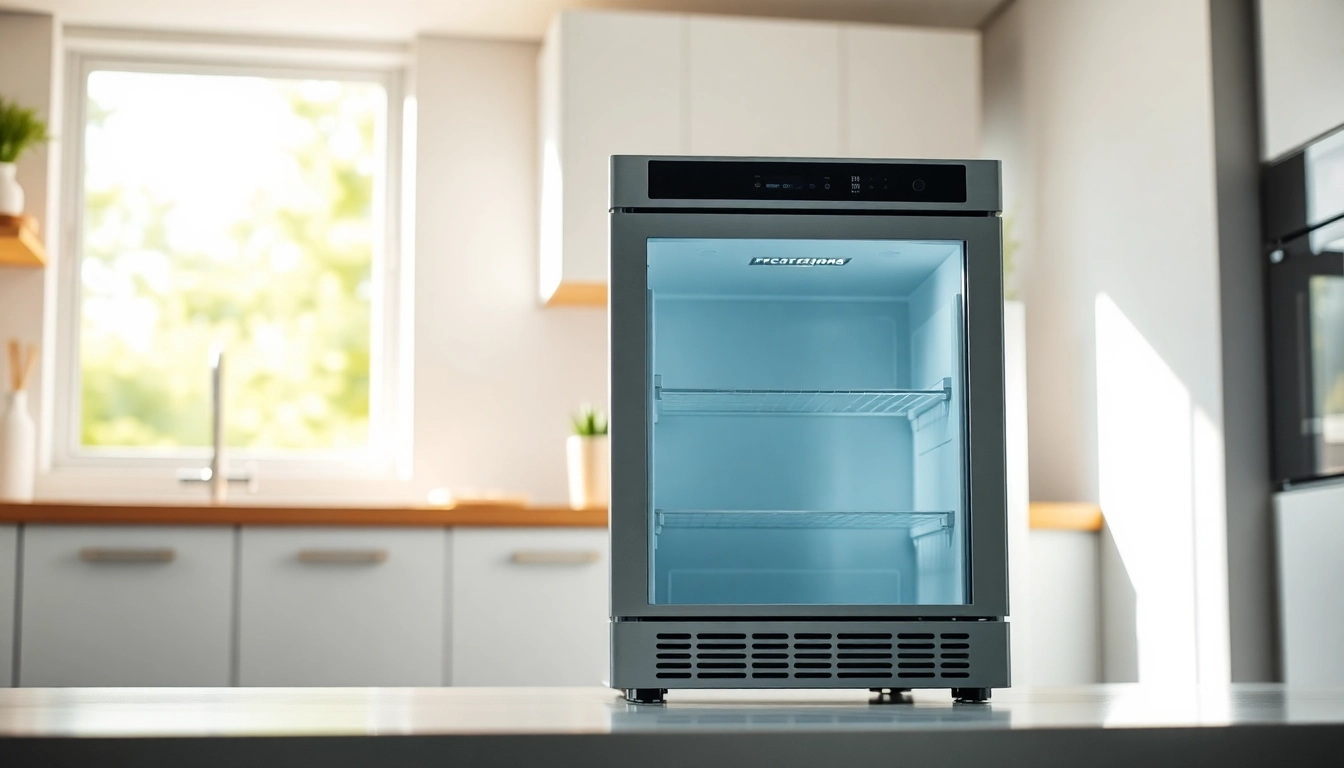
A mini freezer is a small, self-contained freezing unit designed to store food and beverages at low temperatures. Unlike traditional freezers, which can take up large amounts of space, mini freezers are designed with compactness in mind, making them ideal for apartments, dormitories, and offices. Typically, they range in size from 1.1 cu. ft. to 7.0 cu. ft., accommodating various storage requirements.
Benefits of Using a Mini Freezer
Mini freezers offer a host of advantages that make them an attractive solution for modern storage challenges:
- Space Efficiency: Their small footprint allows them to fit snugly into tight spaces, whether that be a kitchen corner or a basement.
- Energy Efficiency: Mini freezers are generally more energy-efficient than larger models, often consuming less electricity, which translates to lower utility bills.
- Affordable Pricing: With a lower upfront cost compared to traditional freezers, they are accessible options for all budgets.
- Convenience: Quick access to frozen goods and ample storage for ice cream, pizzas, or leftovers makes meal prep easier.
Ideal Spaces for a Mini Freezer
Understanding where to place a mini freezer can significantly enhance its utility:
- Dorm Rooms: Ideal for storing snacks and meals without sharing communal refrigerators.
- Small Apartments: Excellent for maximizing limited storage space in kitchens or living areas.
- Offices: A handy option for keeping refreshments on hand, thereby reducing the need for frequent trips to vending machines.
- Garages or Basements: Perfect for additional long-term food storage and seasonal supplies.
Choosing the Right Mini Freezer
Selecting the best mini freezer for your needs involves careful consideration of various factors to ensure it aligns perfectly with your lifestyle.
Size and Capacity Considerations
Before purchasing a mini freezer, evaluate the space where it will reside and your storage requirements. Here are some considerations:
- Capacity: Estimate how much food you anticipate storing. A standard guideline is to allocate 1.5 to 2.5 cubic feet per person in the household.
- Physical Dimensions: Measure the intended space carefully. Ensure there is extra room for airflow around the freezer to facilitate efficient cooling.
Energy Efficiency Ratings
Opting for an energy-efficient model can save you money over time. Here are key points to consider:
- Energy Star Certification: This label indicates compliance with energy efficiency guidelines set by the U.S. Environmental Protection Agency. Look for this when shopping.
- Average Energy Consumption: Check the estimated yearly electricity consumption provided by the manufacturer; lower numbers are better for long-term savings.
Design Styles and Features
Mini freezers come in various designs, each suitable for different settings and preferences:
- Chest Freezers: Usually more space-efficient for bulk storage, but require bending down to access items.
- Upright Freezers: Easier access to items, often with shelves and drawers for better organization.
- Features to Consider: Look for adjustable shelves, reversible doors, and customizable temperature settings to fit your specific needs.
How to Properly Use Your Mini Freezer
Once you've chosen a mini freezer, understanding how to utilize it effectively is essential for maximizing its benefits.
Optimal Storage Tips for a Mini Freezer
To ensure your mini freezer functions well and food remains fresh, keep in mind the following storage techniques:
- Organize by Frequency: Store frequently accessed items at the top; less frequently used items can go lower.
- Label Items: Use labels to indicate the contents and use-by dates of packaged foods to minimize waste.
- Avoid Overloading: This can impede air circulation, preventing the freezer from maintaining optimal temperatures.
Temperature Settings and Maintenance
Proper maintenance is essential to prolong the lifespan of your mini freezer:
- Ideal Temperature: Set the temperature to 0°F (-18°C) for optimal freezing conditions.
- Regular Cleaning: Monthly cleanings remove frost and debris, ensuring your freezer remains efficient.
Common Mistakes to Avoid
To maximize the longevity and efficiency of your mini freezer, avoid these pitfalls:
- Frequent Openings: Each time the door opens, cold air escapes and may lead to temperature fluctuations and higher energy usage.
- Ignoring Defrosting: Accumulated frost can impede efficiency, so defrost regularly for optimal performance.
- Storing Hot Foods: Allow cooked items to cool before placing them inside to prevent raising the internal temperature.
Comparing Different Types of Mini Freezers
Understanding how the various types of mini freezers differ can guide you toward your ideal choice.
Chest vs. Upright Mini Freezer
Each design has its own advantages and disadvantages:
- Chest Freezers: Generally more energy-efficient and spacious. They can be challenging to organize, and accessing items at the bottom can be inconvenient.
- Upright Freezers: Offer shelves and drawers for better organization but may consume slightly more energy. A better option for those who need to frequently access their frozen goods.
Portable Mini Freezers
Portable mini freezers are gaining traction for their convenience and ease of transportation:
- Versatility: Great for camping trips, road trips, and outdoor events, offering both portability and reliable freezing capabilities.
- Size Options: Available in various sizes, catering to both small and large freezing needs without sacrificing portability.
Best Uses for Each Type of Mini Freezer
Choose based on your particular needs:
- For Bulk Food Storage: Opt for a chest freezer that maximizes space.
- For Frequent Access: An upright freezer is preferable for easy organization and retrieval.
- For Mobility: A portable mini freezer is perfect for versatile usage.
Frequently Asked Questions About Mini Freezers
Do Mini Freezers Work Efficiently?
Yes, if you maintain them properly, mini freezers function efficiently, providing excellent long-term storage for various items.
What Size Mini Freezer is Ideal for Me?
The ideal size varies by household. On average, one should plan for 1.5 to 2.5 cubic feet per person for sufficient storage.
How Long Can I Store Food in a Mini Freezer?
Food can generally be stored for 3-12 months, depending on the type of item. Proper sealing and labeling are critical.
Can I Use a Mini Freezer for Long-term Food Storage?
Absolutely! Mini freezers are designed for long-term food storage, making them great for frozen meats and produce.
What Should I Consider for Placement of My Mini Freezer?
Ensure it is in a well-ventilated area, avoid placing it near heat sources, and allow space to open the door fully without obstructions.