
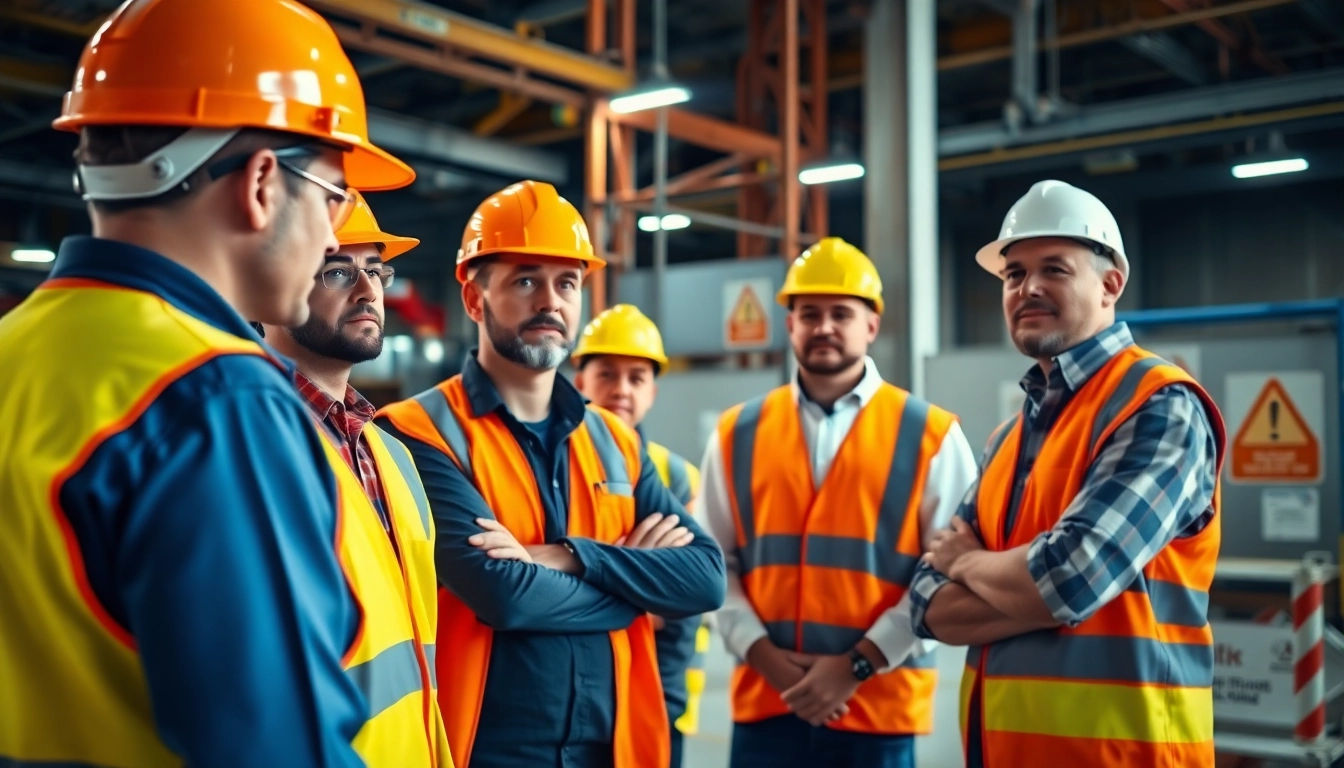
Understanding the Importance of Construction Safety Training
In the construction industry, where physical risks are prevalent, the significance of construction safety training cannot be overstated. Each year, thousands of work-related injuries and fatalities occur due to neglecting safety protocols. By investing in comprehensive safety training, companies not only safeguard their workforce but also enhance productivity and morale.
The Role of Safety in Construction
Safety serves as the cornerstone of any successful construction project. A well-implemented safety program protects workers from injuries, fosters a sense of security, and minimizes disruption caused by accidents. The role of safety extends beyond mere compliance; it establishes an environment where workers can perform their tasks without the looming fear of incidents. This preventative approach leads to enhanced reputation, increased employee retention, and often translates to a reduction in insurance costs.
Key Benefits of Construction Safety Training
Investing in construction safety training yields several profound benefits:
- Reduced Accident Rates: Effective training prepares employees to recognize and mitigate risks, significantly lowering the likelihood of workplace accidents.
- Improved Compliance: Comprehensive training ensures employees are aware of and adhere to safety regulations, helping the company avoid fines and legal issues related to non-compliance.
- Enhanced Productivity: A safe work environment facilitates smoother operations, allowing for increased efficiency and greater employee output.
- Boosted Morale: Workers feel valued and protected when safety is prioritized, leading to higher job satisfaction and loyalty.
- Positive Company Image: A reputation for safety can be a significant differentiator in attracting clients and talent.
Common Safety Hazards in the Industry
Understanding common safety hazards is crucial for effective training. Key risks include:
- Falls: Often cited as the leading cause of injury and death in construction, falls can result from unguarded edges, improper ladder use, or weather conditions.
- Electrocution: Exposed wiring, wet conditions, and improper tools present significant electrocution hazards that require rigorous training to mitigate.
- Struck-By Hazards: This category includes accidents involving falling objects and moving machinery. Training focuses on situational awareness and proper equipment handling.
- Caught-In/Between Hazards: Workers can be caught in or between machinery and materials. Training emphasizes machinery safety protocols and communication.
- Health Risks: Exposure to chemicals and harmful substances can lead to chronic health issues. Hazard communication and understanding Material Safety Data Sheets (MSDS) are essential components of training.
Key Components of Effective Construction Safety Training
Fundamental Training Techniques
Effective safety training should incorporate a variety of techniques to engage learners:
- Classroom Learning: Traditional classroom sessions provide foundational knowledge and allow for discussion and interaction.
- On-the-Job Training: Pairing experienced workers with trainees on-site reinforces safety protocols in real-time and contextualizes learning.
- Simulations: Conducting simulated emergency scenarios prepares workers for potential accidents and reinforces their training under stress.
- Guest Speakers: Inviting seasoned professionals to share experiences and insights adds real-world relevance to training sessions.
Using Technology in Safety Training
Technology plays a vital role in modern safety training. Innovative solutions include:
- Virtual Reality (VR): VR facilitates immersive experiences that can safely replicate dangerous work environments, offering training in a controlled setting.
- eLearning Modules: Online training platforms allow for consistent safety training that can be easily updated and accessed by workers remotely.
- Mobile Applications: Utilizing apps for quick access to safety manuals, hazard reports, and incident documentation simplifies the training process.
- Video Demonstrations: Short videos demonstrating best practices and common mistakes can reinforce key concepts for various learning styles.
Measurement of Training Effectiveness
Evaluating the effectiveness of training is essential for ongoing improvement. Common measurement strategies include:
- Pre- and Post-Training Assessments: Evaluating knowledge before and after training sessions provides clear metrics on changes in understanding.
- Incident Reports: Tracking the number of accidents or near misses post-training can indicate whether the safety culture has improved.
- Feedback Surveys: Gathering employee feedback provides insight into the perceived relevance and quality of the training program.
- Compliance Audits: Regular audits to assess adherence to safety protocols can highlight areas needing revisited training.
Best Practices for Implementing Construction Safety Training
Creating a Safety Culture
Building a safety culture within an organization is vital for sustaining long-term safety outcomes. Key strategies include:
- Leadership Engagement: Leadership must actively participate in safety training and prioritize safety in decision-making to model positive behaviors.
- Open Communication: Encouraging workers to speak up about unsafe conditions fosters a culture of transparency and responsibility.
- Recognition Programs: Acknowledging and rewarding safe behavior showcases its value and encourages continued adherence to safety practices.
- Regular Safety Meetings: Frequent discussions around safety topics keep awareness high and allow teams to address any updates or concerns.
Engaging Workers in Safety Programs
Worker engagement is key to the success of any safety program. To better involve them:
- Incorporate Feedback: Involve workers in the development of training content and protocols to increase their investment.
- Hands-On Experience: Allow workers to take part in safety drills and simulations, giving them practical experience and reinforcing learning.
- Safety Champions: Designate certain employees as safety champions who can advocate for ongoing training and safety promotion among their peers.
- Inclusive Training Sessions: Foster an environment where everyone feels comfortable expressing concerns and asking questions during training.
Continuous Improvement in Training Methods
To ensure the ongoing success of a safety training program, continuous improvement is crucial:
- Regular Review: Regularly assess the appropriateness and accuracy of training content to ensure it reflects current practices and regulations.
- Adapt to New Risks: Update training when new equipment or processes are introduced that may present additional risks or require new knowledge.
- Innovation in Approaches: Stay abreast of new technologies and methodologies that can enhance training effectiveness.
- Industry Involvement: Participate in industry forums and workshops to gather insights and best practices for safety training.
Legal and Regulatory Requirements in Construction Safety
Understanding OSHA Regulations
The Occupational Safety and Health Administration (OSHA) establishes safety standards that construction companies must follow. Understanding key regulations includes:
- General Duty Clause: Employers have a duty to provide a workplace free from recognized hazards.
- Specific Standards: Regulations specific to construction safety outline required protections for various hazards, from fall protection to equipment safety.
- Recordkeeping: OSHA mandates that companies maintain records of workplace injuries and illnesses, which must be readily available for inspection.
Compliance with Local and National Standards
Beyond OSHA, companies must also adhere to state and local safety regulations. This involves:
- Staying Informed: Regularly check state OSHA programs or local regulations, as they may impose additional requirements beyond federal standards.
- Training Specifics: Align training programs to comply with both local and national standards to avoid legal fallout and ensure cohesive safety practices.
- Documentation: Maintain thorough documentation of training sessions and compliance measures as evidence of adherence to regulations.
Consequences of Non-Compliance
Failing to adhere to safety regulations can have serious repercussions, including:
- Fines and Penalties: Non-compliance can lead to hefty fines from OSHA or state agencies, impacting the company’s bottom line.
- Increased Liability: In the event of an incident, failure to comply with regulations can lead to legal action and increased liability for injuries.
- Damage to Reputation: A bad safety record can harm a company’s reputation, making it difficult to attract clients and retain skilled workers.
- Reduced Morale: Employees may feel unsafe or undervalued in environments with poor safety records, leading to higher turnover rates.
FAQs about Construction Safety Training
What is construction safety training?
Construction safety training involves educating workers on potential hazards and safety protocols to prevent workplace accidents and injuries.
How often should safety training be conducted?
Safety training should be conducted regularly, at least annually, and whenever new equipment or processes are introduced.
Can technology improve construction safety training?
Yes, technology such as VR, eLearning platforms, and mobile applications can enhance engagement and effectiveness in safety training.
What are the key components of a safety training program?
A comprehensive safety training program includes hazard recognition, emergency procedures, equipment safety, and ongoing assessments of knowledge.
Why is a safety culture important in construction?
A safety culture promotes awareness, accountability, and proactive behavior among workers, ultimately leading to reduced accidents and improved morale.