
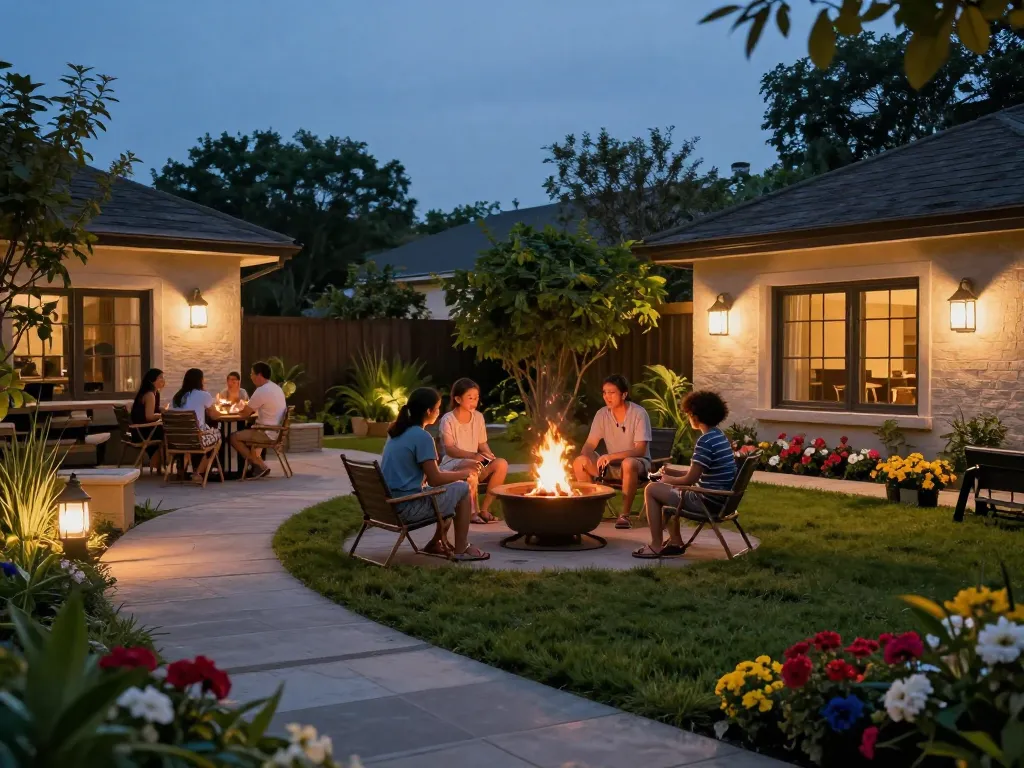
Understanding Dusk to Dawn Outdoor Lights
Dusk to dawn outdoor lights have become essential fixtures for both residential and commercial properties, providing a seamless way to enhance security and visibility during nighttime hours. These lighting solutions utilize sophisticated technology to automatically adjust based on natural light levels, ensuring that your property remains lit and safe after sunset. When exploring options, dusk to dawn outdoor lights offer a variety of benefits that cater to different lighting needs and styles, making them an attractive choice for any property owner.
What Are Dusk to Dawn Outdoor Lights?
Dusk to dawn outdoor lights are specially designed light fixtures equipped with built-in sensors that detect ambient light levels. As the sun sets and darkness falls, these lights automatically turn on, illuminating the area without requiring manual intervention. This technology not only enhances convenience but also optimizes energy use by ensuring lights are only active when needed.
Key Features of Dusk to Dawn Outdoor Lights
- Automatic Operation: The integrated sensors allow the lights to function independently based on surrounding light conditions.
- Energy Efficiency: By only activating when necessary, these lights help reduce energy consumption.
- Variety of Styles: Available in numerous designs, dusk to dawn lights can complement any architectural style.
- Durability: Built to withstand outdoor conditions, these fixtures often come with weather-resistant materials.
How Dusk to Dawn Lights Work
The operation of dusk to dawn lights relies on a photocell sensor, which reacts to changes in natural light. When the sun sets, the sensor triggers the light to turn on. Conversely, during the day, when light levels rise, the sensor signals the light to turn off. This automatic functionality allows for consistent lighting at night without the hassle of manual controls.
Benefits of Installing Dusk to Dawn Outdoor Lights
Improved Security for Your Property
One of the primary reasons many homeowners and businesses choose dusk to dawn outdoor lights is the enhanced security they provide. Illuminated spaces deter potential intruders and create a safer environment for navigating outdoor areas after dark. Moreover, consistent lighting can increase visibility for security cameras, making it easier to monitor property effectively.
Energy Efficiency and Cost Savings
Another significant advantage of dusk to dawn lights is their energy efficiency. By only operating when necessary, they contribute to lower electricity bills without sacrificing safety. Many modern dusk to dawn fixtures utilize LED technology, which not only lasts longer than traditional bulbs but also consumes significantly less power.
Convenience for Homeowners
For busy homeowners, the convenience of automation cannot be overstated. Dusk to dawn outdoor lights eliminate the need to remember to turn lights on and off, allowing homeowners to focus on other important tasks. This feature is particularly beneficial for those with mobility challenges or those who travel frequently.
Where to Install Dusk to Dawn Outdoor Lights
Ideal Locations Around Your Home
Dusk to dawn lights can be installed in various locations around the home to maximize safety and utility. Ideal spots include:
- Entryways: Front doors, back doors, and garage entrances.
- Pathways: Along sidewalks and driveways to provide clear visibility.
- Patios and Decks: For outdoor living spaces, enhancing ambiance and usability at night.
Enhancing Commercial Spaces
For commercial properties, installing dusk to dawn lights can significantly improve safety for both employees and customers. Common locations include:
- Parking Lots: Ensure ample lighting for vehicles and pedestrians.
- Building Perimeters: Enhance security around the exterior of the building.
- Loading Docks: Improve visibility for operations and safety.
Considerations for Outdoor Installations
When planning installations, consider the following factors:
- Height: Lights should be installed at a height that maximizes visibility while reducing glare.
- Type of Fixture: Select a fixture that complements the architectural style of your property while providing adequate illumination.
- Local Climate: Consider weather conditions that may affect the performance and longevity of the lights.
Installation Process for Dusk to Dawn Outdoor Lights
DIY Installation Tips
Installing dusk to dawn outdoor lights can often be a straightforward DIY project. Here are some tips:
- Read the Instructions: Always refer to the manufacturer’s guidelines for specific installation procedures and safety precautions.
- Gather Necessary Tools: Ensure you have all necessary tools such as screwdrivers, wire strippers, and safety gear.
- Turn Off Power: Before starting, make sure to turn off the power at the circuit breaker to avoid accidents.
When to Hire a Professional Electrician
While many can undertake simple installations, certain scenarios warrant hiring a professional:
- If you plan to connect multiple lights to one sensor and are unsure about electrical load limits.
- When installing in areas that require complex wiring or integration with existing electrical systems.
- To ensure compliance with local codes and regulations.
Common Installation Mistakes to Avoid
To ensure a successful installation of dusk to dawn outdoor lights, avoid these pitfalls:
- Incorrect Height: Installing lights too high or too low can result in poor illumination.
- Lack of Positioning: Not considering the layout of surrounding structures and trees that may obstruct light.
- Neglecting Maintenance: Forgetting to periodically check and clean the sensors can lead to malfunction.
Future Trends in Dusk to Dawn Lighting Solutions
Technological Advancements and Smart Features
The lighting industry is evolving quickly, with dusk to dawn lights becoming increasingly sophisticated. Future trends include:
- Smart Technology Integration: Features that allow users to control lighting remotely via smartphones.
- Sensors with Enhanced Features: Including motion detection to increase safety and further conserve energy.
- Connecting to Smart Home Systems: Allowing for seamless integration with other smart devices for enhanced security and convenience.
Design Innovations for 2026 and Beyond
As aesthetic preferences change, we can expect to see:
- Stylish Fixtures: More options that blend in with home designs while offering functionality.
- Customizable Lighting: Systems that allow users to adjust brightness levels and color temperatures.
- Eco-Friendly Options: Increased availability of sustainable materials and energy-efficient technologies.
Integrating Sustainability into Outdoor Lighting
With a growing focus on sustainability, future dusk to dawn lights are likely to feature:
- LED Technologies: Dominating the market for their longevity and energy efficiency.
- Recyclable Materials: Using materials that have a lower environmental impact.
- Solar Power Options: Expanding the use of solar-powered dusk to dawn lights to enhance energy efficiency.
What are the best types of dusk to dawn outdoor lights?
The best types of dusk to dawn outdoor lights depend on usage; options include wall-mounted fixtures, floodlights for broader coverage, and decorative lanterns that enhance curb appeal while providing necessary illumination.
Can you connect multiple lights to one sensor?
Yes, it is indeed possible to connect multiple lights to a single dusk to dawn sensor, as long as their total wattage does not exceed 500W, allowing for expansive coverage without individual sensors.
How do I maintain my dusk to dawn outdoor lights?
Regular maintenance includes ensuring the sensors are free from dirt and debris, checking for any signs of wear and tear, and making sure the bulbs are in good working condition to ensure optimal performance.
What’s the average cost of dusk to dawn outdoor lights?
The cost for dusk to dawn outdoor lights can vary significantly based on design, features, and technology, generally ranging from $12 to $500, allowing you to find options that fit your budget.
How does temperature affect dusk to dawn sensors?
Temperature can influence the performance of dusk to dawn sensors; they may become less effective in extremely cold conditions (below 30 degrees Fahrenheit), which should be a consideration in colder climates.