Understanding Bee Behavior and Nesting Habits
Understanding bee behavior and nesting habits is essential for a successful bee removal service. Different species of bees exhibit distinct traits and nesting preferences, which significantly influence how they are removed. Bees are not just pests; they are an integral part of our ecosystem, pollinating plants and contributing to biodiversity. To effectively manage bees, one must first appreciate their role in nature and their behaviors.
Identifying Bee Species and Their Traits
There are over 20,000 species of bees worldwide, but the most common types of bees encountered in urban and suburban settings include honeybees, bumblebees, and carpenter bees. Each species has unique characteristics:
- Honeybees: Known for their social structure and honey production, honeybees live in colonies that can number in the thousands. They are generally non-aggressive but will defend their hive if threatened.
- Bumblebees: These bees are larger and fuzzier than honeybees and are also social but in much smaller colonies. They are excellent pollinators, especially in cooler climates.
- Carpenter Bees: These solitary bees resemble bumblebees but have shiny, hairless abdomens. They are known for boring holes into wood to nest, which can cause structural damage.
Common Nesting Locations for Bees
Bees commonly nest in various locations, which can pose challenges for homeowners. Honeybees often build hives in trees, walls, or rooftops, while bumblebees prefer underground nests or in dense grass. Carpenter bees usually create nests in untreated wood structures. Recognizing these habitats is essential for efficient removal.
The Importance of Timing in Bee Removal
The timing of bee removal can greatly affect the success of the operation. Early spring is generally the best time, as colonies are smaller and bees are less aggressive. Additionally, removing bees before they swarm can help prevent future infestations.
Safe Techniques for Bee Removal Service
Employing safe and humane techniques in a bee removal service is paramount. This not only ensures the safety of workers but also protects the environment and maintains the ecological balance.
Non-lethal Methods for Bee Removal
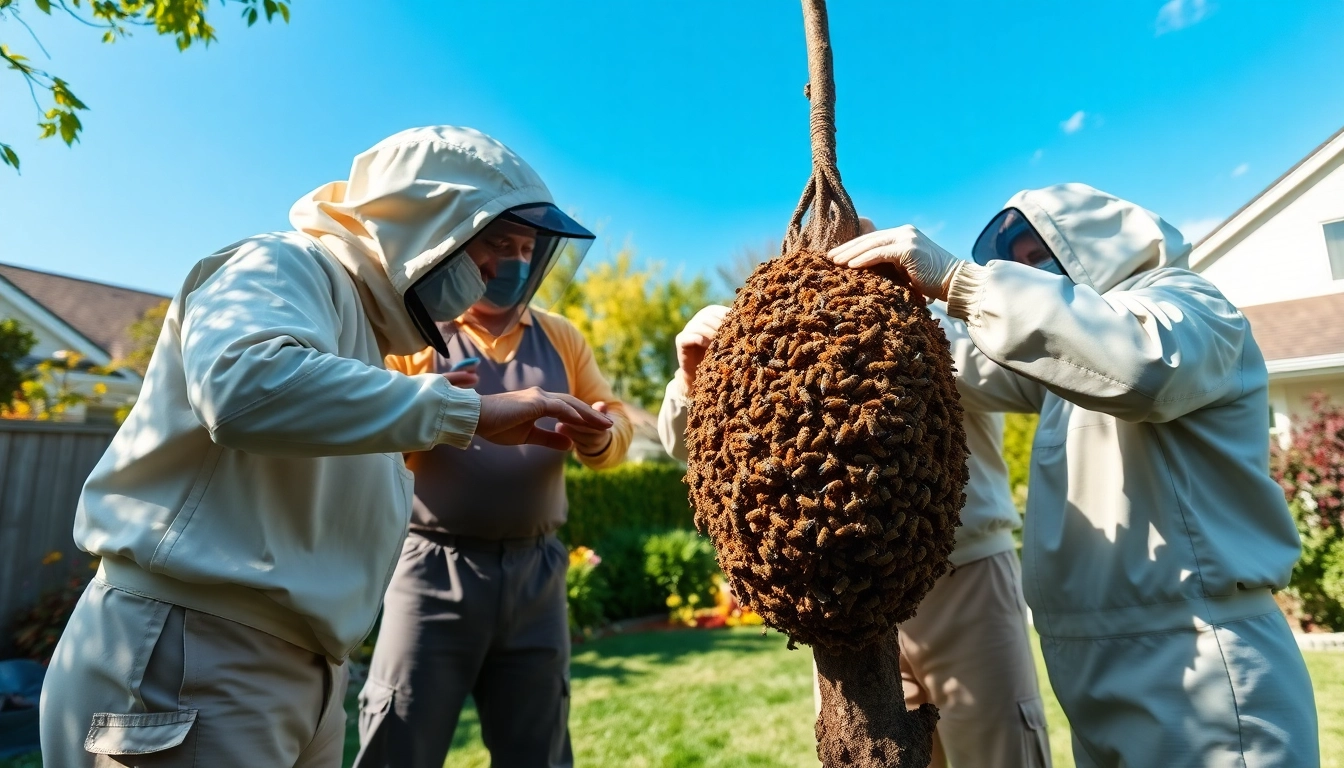
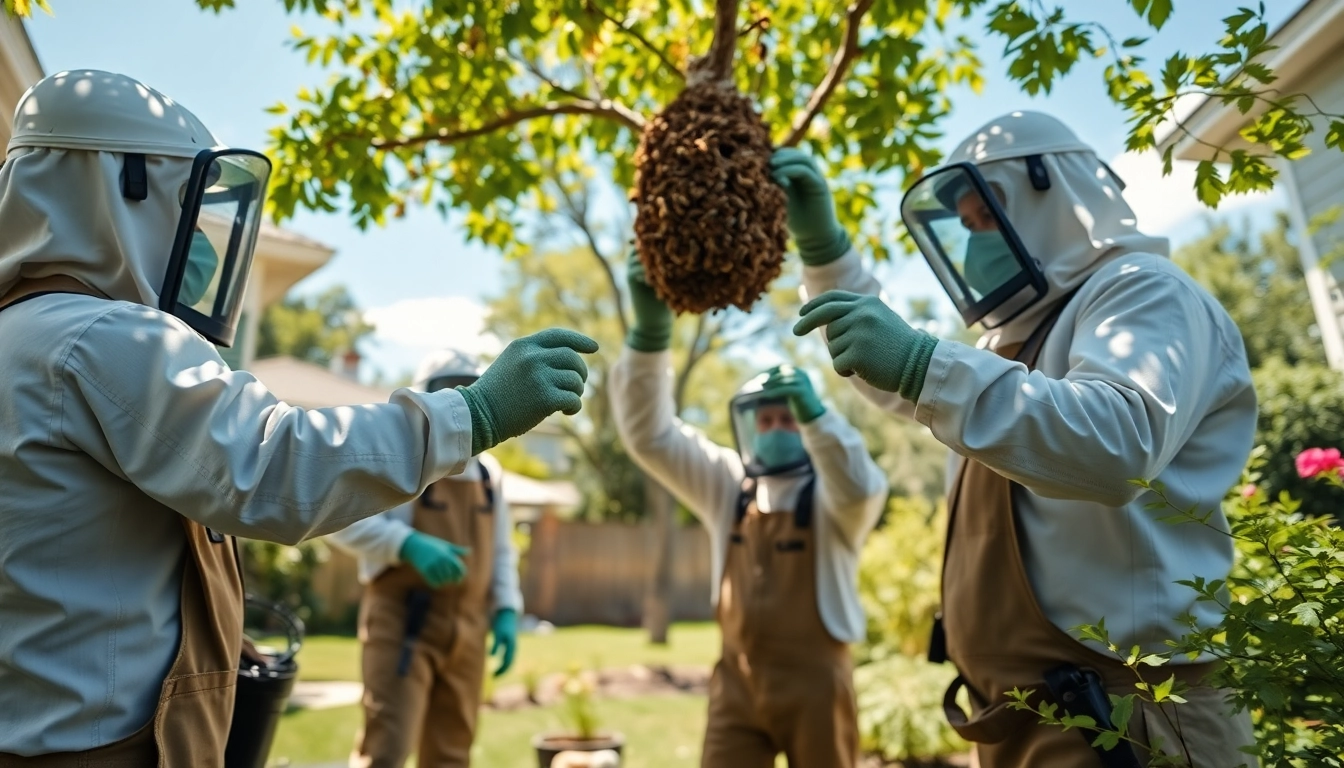
Non-lethal techniques such as live bee removals and hive relocations are gaining popularity. Beekeepers often utilize these methods, removing the entire hive and relocating it to a safer environment. This practice not only preserves the bees but also supports local ecosystems.
Protective Gear and Safety Measures
When conducting bee removal, safety should always come first. Proper protective gear includes beekeeping suits, gloves, and veils. These items protect individuals from stings. It’s also essential to have a first aid kit on hand, just in case of an allergic reaction.
Tools and Equipment Needed for Effective Removal
Effective bee removal requires specific tools, including:
- Bee Smoke: This calms bees, making them easier to manage during removal.
- Bee Vacuums: These specialized vacuums allow for gentle removal without harming bees.
- Hive Tools: Essential for handling bodies and frames in the hive.
Cost Factors for Bee Removal Service
The cost of hiring a bee removal service varies based on several factors. Understanding these factors can help you budget effectively and ensure you’re getting value for your money.
Price Ranges and Average Costs
Prices for bee removal typically range between $150 to $500. Factors such as the type of bee, the size of the colony, and the location of the nest can influence the final cost. For instance, a simple garden bee removal is often less expensive than a complex hive removal from within a wall.
Additional Costs to Consider
Additional costs can arise based on the specific situation. For example, if structural repairs are required after removal or if the removal occurs in hard-to-reach areas, prices may increase. It’s crucial to ask for a quote that includes these considerations upfront.
How to Save on Bee Removal Services
To save on costs, consider contacting local beekeepers who may perform *free* or reduced-fee removals in exchange for the bees. Additionally, be sure to check for coupons or promotions from pest control services, especially during the peak season.
Maintaining a Bee-Free Environment
Preventing future infestations is just as important as effective removal. Implementing strategic measures can help homeowners avoid the headache of recurring bee problems.
Preventive Measures Against Future Infestations
To maintain a bee-free environment, ensure that there are no food sources for bees nearby. Keep trash cans covered and clean up spills promptly. Additionally, sealing cracks and crevices in structures can deter bees from nesting.
Landscaping and Environmental Considerations
Landscaping choices can attract or repel bees. Opting for flowers that bloom at different times can create a diversified garden. However, avoiding bee-attractive plants near your home can minimize the risk of attracting bees.
Educating Communities on Safe Bee Practices
Community education on bee behavior and safe removal practices is crucial. Workshops on bee conservation and the importance of pollinators can foster a greater understanding, leading to more humane and effective management of bees.
FAQs About Bee Removal Service
How Much Does Bee Removal Typically Cost?
You typically spend between $150 and $500 for bee removal, with an average cost around $180, depending on various factors like location and size of the hive.
Can I Remove Bees Myself?
While DIY methods exist, it’s best to hire professionals. They have the right tools and expertise to ensure safe removal without harm to you or the bees.
What Happens to the Bees After Removal?
In most cases, bees are relocated to a safe environment where they can continue to thrive. This supports their populations and helps maintain ecological balance.
Are There Alternatives to Professional Services?
Yes, some local beekeepers may offer free or low-cost removal. They often prioritize safe relocation over extermination, but not all beekeepers can respond to emergencies.
How Do I Know If I Have a Bee Infestation?
Signs of a bee infestation include buzzing noises, visibility of bees near entry points, or the discovery of hive structures. If you observe these signs, it’s best to consult professionals.