
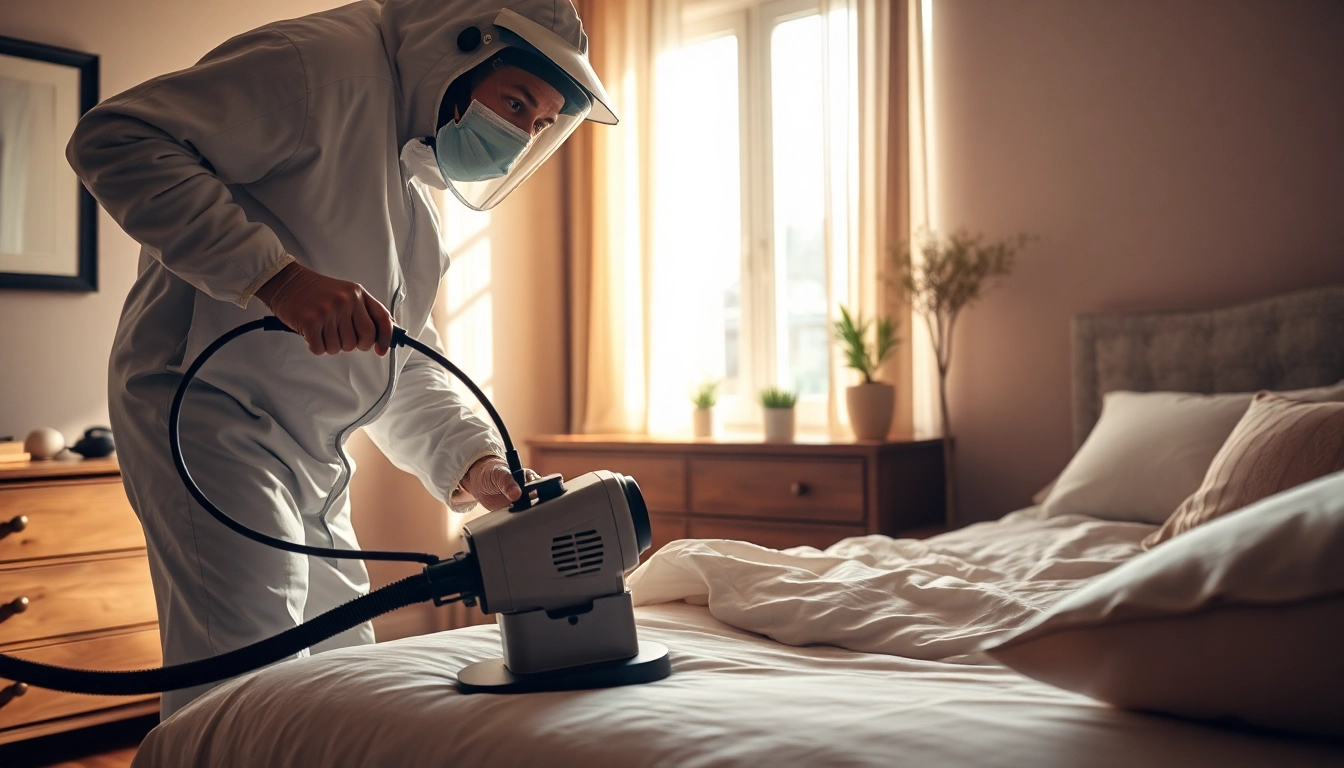
Bed bug infestations can disrupt lives, causing sleepless nights and emotional stress. Many people seek guidance on how to effectively deal with these pests. Engaging a professional bed bug exterminator can be a pivotal step in regaining control over your living space. This comprehensive guide will delve deep into the world of bed bugs, exploring everything from identification to effective extermination methods, ensuring you can tackle any infestation head-on.
Understanding Bed Bug Infestations
What Are Bed Bugs?
Bed bugs, scientifically known as Cimex lectularius, are small, reddish-brown insects that feed primarily on the blood of humans and animals. Adult bed bugs are about the size of an apple seed, and can be commonly found in areas where people sleep, such as in beds, furniture, and even cracks in walls. They have a flattened body shape that allows them to hide easily in tiny crevices. These pests are notoriously resilient, making them a formidable challenge for homeowners and pest control professionals alike.
Signs of Infestation
Identifying a bed bug infestation early can significantly ease the process of extermination. Look out for the following telltale signs:
- Bitten Skin: Small, itchy welts on your skin, often in clusters, can indicate bed bug bites.
- Bed Bug Feces: Small dark stains or spots on your sheets or mattresses may be bed bug droppings.
- Egg Casings: Tiny, empty eggshells (about 1mm in size) can often be found in the seams of mattresses.
- Musty Odor: A sweet, musty smell may indicate a larger infestation.
- Visible Bugs: Adult bed bugs are visible to the naked eye and can often be found hiding in bedding or furniture.
Health Risks Associated with Bed Bugs
While bed bugs are not known to transmit diseases directly, their bites can lead to various health issues such as allergic reactions and skin infections. Some individuals may experience severe itching or anaphylactic reactions. The psychological impact is also significant, with anxiety, insomnia, and stress being common among those who have experienced infestations. Addressing both the physical and emotional toll of bed bugs is crucial in effective pest management.
Choosing the Right Bed Bug Exterminator
Identifying Qualified Exterminators
Finding a qualified bed bug exterminator is essential for effective treatment. Look for exterminators with specialized training in pest control and specifically in bed bug management. Credentials to consider include:
- Licensing: Ensure the exterminator holds a valid pest control license as per state regulations.
- Experience: Choose exterminators who have proven experience in treating bed bug infestations.
- Methods Used: Inquire about the types of treatments they employ, focusing on both chemical and non-chemical options.
- Insurance: Confirm they are insured to protect you from liability during extermination.
Cost Factors for Bed Bug Extermination
The costs associated with hiring a bed bug exterminator can vary greatly based on several factors:
- Extent of Infestation: Larger infestations typically require more intensive treatment and thus may cost more.
- Size of the Property: The area needing treatment will influence the total cost, with larger homes often incurring higher fees.
- Type of Treatment: The price may vary depending on whether heat treatments, chemical treatments, or a combination is used.
- Location: Extermination services may cost more in urban areas compared to rural ones, due to demand.
Reviews and Recommendations
Before selecting an exterminator, consult customer reviews and testimonials. Websites dedicated to reviews can provide insights regarding the effectiveness of various exterminators. Consider seeking recommendations from friends, family, or online communities that have had experiences with local pest control services. Word-of-mouth referrals often lead you to trustworthy professionals who can deliver effective results.
Bed Bug Extermination Methods
Heat Treatment Explained
Heat treatment is a widely effective method for destroying bed bugs in all life stages, from eggs to adults. This method involves raising the temperature of the infested area to levels above 120°F (49°C). Key advantages of heat treatment include:
- Effectiveness: High temperatures ensure that bugs hidden in hard-to-reach spots are exterminated.
- Speed: Heat treatment can often be completed in one visit, allowing for faster resolution.
- Environmentally Friendly: This method typically uses no chemicals, making it suitable for those concerned about chemical exposure.
Chemical Treatments: Pros and Cons
Chemical treatments remain a popular choice for bed bug extermination. Professionals employ a range of insecticides, often in a targeted manner. While effective, these treatments do come with both advantages and drawbacks:
- Advantages:
- Widespread availability and ease of application.
- Can effectively kill bed bugs on contact or via residual effects.
- Disadvantages:
- Resistance risks: Bed bugs can develop resistance to certain chemicals.
- Potential health concerns: Some individuals may be sensitive to chemicals used in extermination.
- Multiple treatments may be required for effective results.
Non-Chemical Alternatives
When dealing with bed bugs, homeowners can also explore non-chemical alternatives that avoid pesticides. These methods might include:
- Steam Cleaning: Steamers can effectively kill bugs on contact, making them a useful tool for treating mattresses and upholstery.
- Vacuuming: Regularly vacuuming infested areas can help physically remove bed bugs and their eggs, especially when followed by disposal of the vacuum contents.
- Cold Treatment: Freezing items at temperatures below 0°F (-18°C) for several days can kill bed bugs in items that cannot be treated with heat.
Preventing Future Infestations
Best Practices for Homeowners
Once you’ve eliminated bed bugs, maintaining a proactive approach to prevention is vital. Here are some best practices to keep your home bed bug-free:
- Regular Inspections: Frequently check your bedding, furniture, and luggage for signs of bed bugs.
- Encasements: Use mattress and box spring encasements designed to prevent bed bugs from entering or escaping.
- Minimize Clutter: Reducing clutter around your home can limit hiding spots for bed bugs.
Ongoing Maintenance Tips
In addition to preventive best practices, consider implementing ongoing maintenance tips to keep your home secure:
- Regular Professional Inspections: Schedule yearly inspections with a qualified exterminator for peace of mind.
- Travel Caution: Inspect your belongings after traveling, and avoid placing luggage on hotel beds or floors.
- Community Awareness: Engage with neighbors about pest control practices to foster a community-wide approach to prevention.
Utilizing Professional Checks
Don’t hesitate to seek professional assistance if you notice signs of bed bugs after an extermination. Professionals are equipped with specialized tools and knowledge to detect and confirm infestations. Regular check-ups can resolve any potential issues before they escalate.
FAQs about Bed Bug Extermination
How long does the extermination process take?
The duration of bed bug extermination varies based on the severity of the infestation and chosen treatment methods. Typically, a thorough treatment takes several hours to completed.
Can I stay in my home during treatment?
This depends on the treatment method used. Heat treatments often require vacating the space, while some chemical treatments may allow you to stay with precautions.
What should I do with my belongings?
Before treatment, wash clothing and linens in hot water. Seal other belongings in plastic bags as directed by your exterminator to contain any remaining pests.
Are bed bugs dangerous to my health?
Bed bugs are not known to transmit diseases, but their bites may lead to allergic reactions, skin infections, and psychological stress from infestations.
How can I prevent bed bugs in the future?
Regular inspections, minimizing clutter, and using protective encasements on mattresses are effective ways to prevent future infestations.