
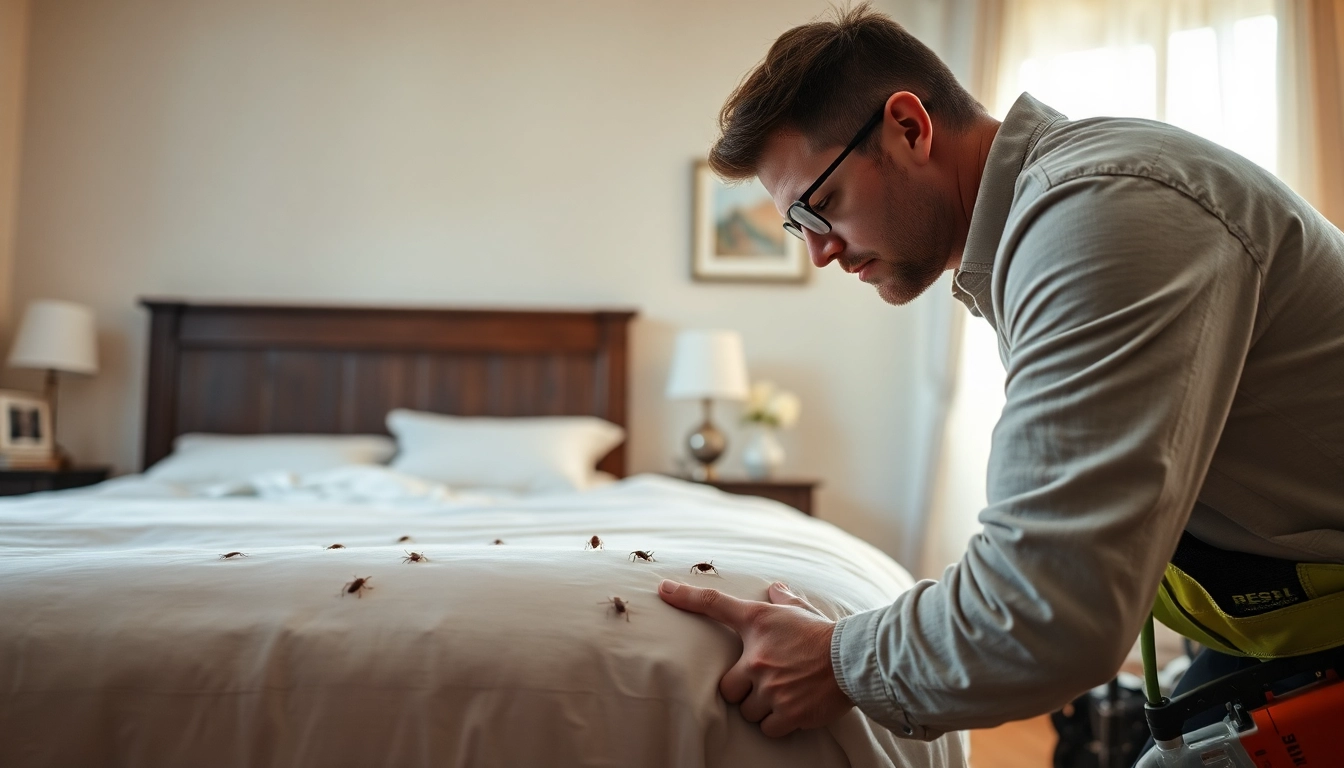
Understanding Bed Bug Infestations
What are Bed Bugs?
Bed bugs are small, wingless insects belonging to the Cimex genus, primarily Cimex lectularius. These pests are nocturnal feeders that thrive on blood, typically that of humans and other warm-blooded animals. Adult bed bugs can grow up to 1/4 inch long and have a reddish-brown color. Their flat, oval bodies allow them to hide easily in cracks and crevices, making them difficult to detect until an infestation occurs. They do not transmit diseases but can cause considerable distress and skin reactions from bites.
Common Signs of Infestation
Identifying bed bugs early is crucial to thwarting a full-scale infestation. Some common signs include:
- Visible insects: Live or dead bed bugs around sleeping areas.
- Fecal stains: Dark brown or black spots may appear on bed sheets or mattresses.
- Eggs and shed skins: Tiny, white eggs and translucent exoskeletons often found near hiding spots.
- Bites: Red, itchy welts on the skin, typically in clusters or lines.
Health Risks Associated with Bed Bugs
While bed bugs are not known to transmit diseases, their presence can have various health repercussions. Individuals may experience allergic reactions or severe itching that leads to scratching and subsequent skin infections. Additionally, the psychological impact of bed bug infestations can lead to anxiety, insomnia, and emotional distress. Therefore, effectively addressing a bed bug issue isn’t just about removing the pests; it’s also about restoring a sense of security and comfort in the home.
How a Bed Bug Exterminator Can Help
Initial Inspection Process
The first step in addressing a bed bug problem is an exhaustive inspection by a qualified bed bug exterminator. This process involves checking areas where bed bugs are likely to hide, such as mattresses, box springs, furniture, and behind wall art. The exterminator will use specialized tools and techniques to locate infestations and assess the severity of the problem.
Choosing the Right Treatment Method
After the inspection, the exterminator will recommend an appropriate treatment method. Common techniques include:
- Chemical Treatments: Uses pesticides specifically designed to eliminate bed bugs, often requiring multiple applications.
- Heat Treatments: Involves raising the room temperature to a level that is lethal to bed bugs and their eggs.
- Vacuuming and Steaming: Non-chemical options that can be effective for immediate removal of visible bugs.
The selection of treatment depends on factors like the severity of infestation, the structure of the home, and consideration for any occupants’ sensitivities to chemicals.
Benefits of Professional Extermination
Hiring a professional exterminator has numerous advantages:
- Expert Knowledge: Trained professionals understand bed bugs’ behavioral patterns and movement.
- Comprehensive Approaches: They employ a combination of treatments, accounting for all stages of the bed bug lifecycle.
- Long-Term Solutions: Professionals offer warranties or follow-up treatments to ensure the infestation is fully resolved.
DIY vs. Professional Bed Bug Exterminator
Common DIY Methods
Many homeowners attempt DIY methods like using over-the-counter insecticides, washing bedding in hot water, and employing homemade traps. While these methods may reduce populations, they often fail to eliminate the infestation entirely.
Limitations of DIY Approaches
DIY methods often overlook deep hiding spots and the bed bug lifecycle, making them less effective. Furthermore, misuse of pesticides can lead to health risks for humans and pets or worsen the infestation due to resistance. Many DIY solutions require repeated applications that may not be practical, especially during severe infestations.
When to Call a Professional
If DIY methods don’t result in significant improvement or if you notice severe infestations, it’s time to consult a professional. Additionally, if you don’t have the time or resources to commit to a comprehensive extermination plan, a professional exterminator can resolve the issue effectively.
Cost of Hiring a Bed Bug Exterminator
Factors Influencing Extermination Costs
Several factors affect the cost of professional bed bug extermination. These include:
- The size of the infestation
- The treatment method chosen
- The size of the home or affected area
- The geographical location
Average Pricing for Services
On average, costs for bed bug extermination range from $1,000 to $2,200, with $200 to $400 per room for standard treatments. More comprehensive strategies may escalate costs, particularly if extensive follow-up procedures are necessary to ensure all pests are eradicated.
Insurance and Warranty Options
Some exterminators offer warranties or service guarantees that cover potential reinfestation, which is worth discussing at the time of hiring. Check your homeowners or renters insurance policy, as some may cover pest control costs associated with bed bug treatments.
Preventative Measures Post-Extermination
Best Practices for Prevention
Once the extermination is complete, implement preventive measures to avoid future infestations. Some strategies include:
- Regularly inspecting secondhand furniture before bringing it home.
- Sealing cracks and crevices near bedding and furniture.
- Using mattress and box spring encasements.
Monitoring for Future Infestations
After treatment, keep a vigilant eye on your sleeping areas and periodically check for signs of bed bugs. Early detection is the key to preventing a new infestation from becoming established.
When to Schedule Follow-Up Inspections
A follow-up inspection is advisable a few weeks after extermination to ensure that no remaining eggs or bugs are present. If any signs of bed bugs resurface, further treatments may be necessary. Regularly scheduling maintenance inspections can also provide peace of mind.
Frequently Asked Questions
1. How can I tell if I have bed bugs?
Look for reddish-brown bugs, stains on sheets, and bite marks on your skin. Inspection of furniture and mattresses also helps in detection.
2. Can I get rid of bed bugs myself?
While some DIY methods can reduce bed bug populations, they often fail to eliminate infestations. Professional help is recommended for complete eradication.
3. How long does extermination take?
The duration varies based on the infestation’s severity and the treatment method used. Typically, complete extermination can take several hours to days.
4. Are bed bugs harmful to my health?
Bed bugs are not known to transmit diseases, but their bites can cause itching and allergic reactions, which may lead to secondary infections if scratched.
5. How can I prevent bed bugs in the future?
Employ preventive measures such as sealing bed frames, inspecting items before entering your home, and regularly cleaning sleeping areas.