Understanding Laser Engraving Designs
What Are Laser Engraving Designs?
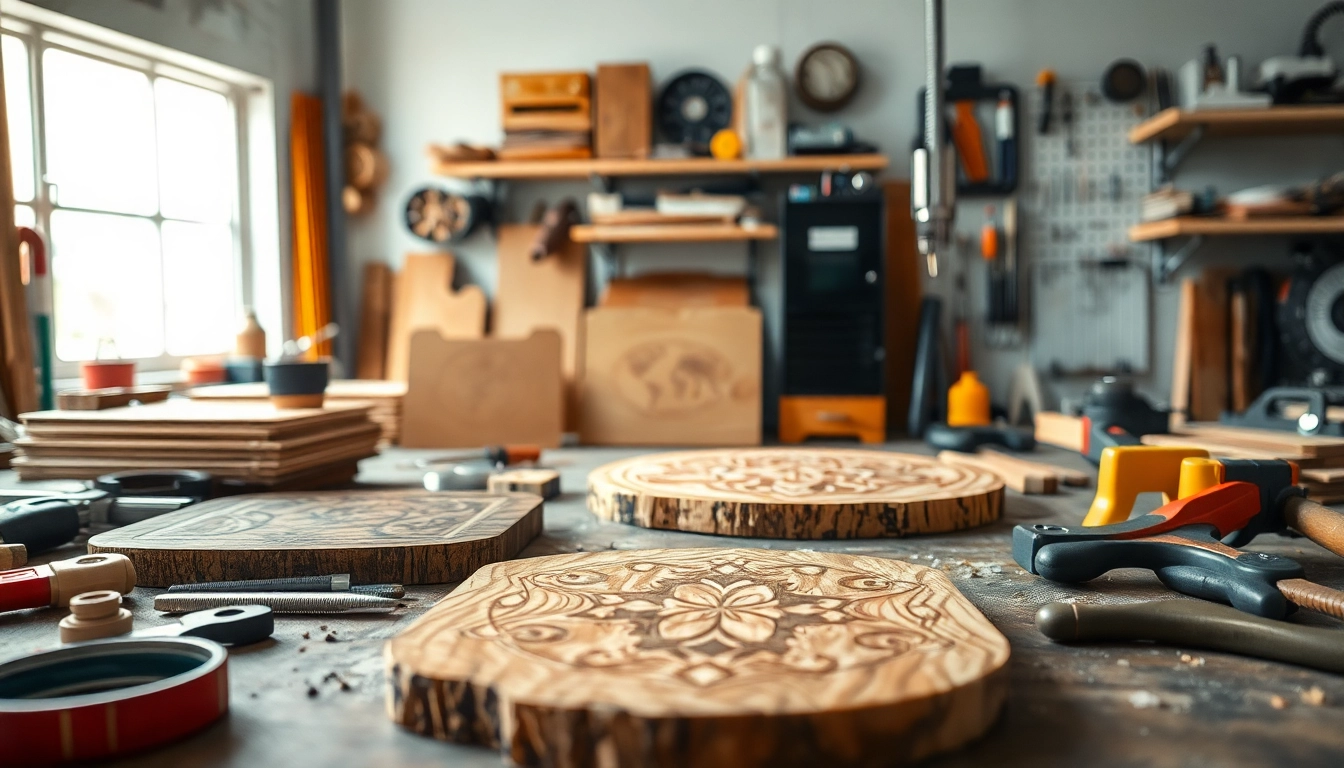
Laser engraving designs are intricate graphics created specifically for use with laser engravers. These designs can range from simple patterns to detailed imagery, utilizing lasers to remove material from a substrate to create artistic representations. They are often stored in vector formats, such as SVG or DXF, allowing for smooth scaling and modification. The precision of laser engraving makes it ideal for a variety of applications, including personalized gifts, decorative home items, and industrial components.
The Benefits of Using Laser Engraving Designs
Utilizing laser engraving designs in projects offers numerous benefits:
- Precision and Detail: Lasers can create fine details that other methods struggle to achieve.
- Versatility: These designs can be applied to a multitude of materials such as wood, acrylic, metal, and glass, making them suitable for various creative projects.
- Speed: Laser engraving can complete projects quickly compared to traditional engraving methods.
- Consistency: Automated processes ensure that each engraving is uniform, reducing errors and variation in product quality.
Types of Materials Used in Laser Engraving Designs
Lasers can engrave on diverse materials, each providing unique finishes and challenges:
- Wood: A popular choice due to its aesthetic appeal and ease of engraving.
- Acrylic: Known for its ability to achieve striking contrasts, making it ideal for visual effects.
- Leather: Frequently used in personalized items and fashion accessories.
- Glass: Offers a classy touch when engraved with intricate designs.
- Metal: Used for industrial applications, often requiring specialized equipment for best results.
Best Practices for Designing Laser Engraving Projects
Choosing the Right Software for Laser Engraving Designs
The software you select plays a crucial role in the quality of laser engraving projects. Popular software options include:
- Adobe Illustrator: Perfect for creating intricate vector designs.
- CorelDRAW: Known for its user-friendly interface and powerful design tools.
- Inkscape: A free alternative that supports multiple file types and is suitable for beginners.
- LightBurn: Specifically designed for laser engraving, providing an intuitive layout and efficient tools.
Color and Contrast Considerations in Laser Engraving Designs
Understanding color and contrast is essential for achieving the best engraving results:
- Dark Colors: Dark materials tend to absorb laser energy better, resulting in deeper engravings.
- Contrast: High contrast between the design and the material enhances visibility and aesthetic appeal. Light designs on dark materials often stand out more.
- Filling vs. Outlining: Consider using filled shapes for bold designs or outlines for delicate details to dictate how the design interacts with the material.
Common Mistakes to Avoid with Laser Engraving Designs
While designing your laser engraving project, avoiding common mistakes can save you time and resources:
- Ignoring Material Properties: Each material reacts differently to laser cutting; ensure your design considers these properties.
- Using Low-Resolution Images: Low-resolution files can lead to pixelation. Always use vector graphics for clarity.
- Not Testing Designs: Conduct test runs before final production to ensure settings are calibrated correctly.
- Neglecting Safety Measures: Always use proper safety gear and consider ventilation when laser engraving.
Inspiring Examples of Laser Engraving Designs
Creative Applications of Laser Engraving Designs
Laser engraving can be employed in numerous creative applications, showcasing versatility:
- Home Décor: Customized wall art, decorative coasters, and candle holders can dramatically enhance living spaces.
- Personal Gifts: Personalized gifts like keychains, photo frames, and jewelry are cherished by recipients.
- Corporate Branding: Companies can engrave logos on products to enhance brand visibility.
- Fun Projects: Create one-of-a-kind puzzles, games, and models for hobbies or educational purposes.
Top Trends in Laser Engraving Designs
As technology advances, so do the trends in laser engraving. Some prominent trends include:
- Personalization: Custom engraved items are increasingly popular, allowing individuals to own unique products.
- Mixed Materials: Combining materials like metal and wood can create stunning contrasts and textures.
- Minimalistic Designs: Simple, clean designs are on the rise, emphasizing elegance and sophistication.
- Ecosustainable Practices: Using reclaimed and eco-friendly materials is a priority, aligning with values of sustainability.
User Showcase: Unique Laser Engraving Designs
Engaged communities often create impressive designs that inspire others. Online forums and social media platforms showcase user-generated designs, from intricate patterns to functional items. These showcases provide opportunities to share tips and techniques, fostering creativity and innovation in the laser engraving space. Participating in such communities can elevate your own designs and provide invaluable feedback on your work.
How to Create Your Own Laser Engraving Designs
Step-by-Step Guide to Craft Your Laser Engraving Designs
Creating your own laser engraving design involves a systematic approach:
- Define Your Concept: Begin with an idea or theme. Sketch it out to visualize your design.
- Select Your Software: Based on your proficiency, pick one of the recommended design programs.
- Create the Design: Use shapes, lines, and text to assemble your design. Aim for precision in detailing.
- Choose Colors Wisely: As previously mentioned, consider the material and its interaction with the laser.
- Save in Compatible Format: Ensure your final design is in a suitable format for your laser cutter.
- Conduct a Test Run: Execute a test engraving on a scrap piece of the same material to refine settings.
- Finalize and Engrave: Once satisfied with the test, proceed to engrave on your desired item.
Tools and Equipment Needed for Laser Engraving Designs
For successful laser engraving projects, you need proper tools and equipment:
- Laser Engraver: Choose a machine compatible with the materials you plan to engrave.
- Design Software: Select from available options that meet your needs and expertise.
- Material: Gather materials suitable for your project (wood, acrylic, etc.).
- Safety Gear: Always use safety glasses and ventilation systems to protect yourself during the process.
Sharing Your Laser Engraving Designs with the Community
Sharing your designs can foster creativity and inspire others in the laser engraving community:
- Online Platforms: Platforms like Pinterest, Reddit, and dedicated design forums provide spaces to share and gather feedback.
- Social Media: Showcase your work on Instagram or Facebook groups related to laser engraving.
- Workshops: Consider hosting local workshops or online webinars to demonstrate your techniques and engage with budding engravers.
FAQs About Laser Engraving Designs
What files are compatible with laser engraving designs?
Common file types include DXF, SVG, and AI files, which are compatible with most laser cutting machines.
Can I use laser engraving designs on different materials?
Yes, materials like wood, acrylic, leather, and glass are frequently used with laser engraving designs.
How to optimize laser engraving designs for quality?
Ensure high resolution and proper contrast in your designs to achieve the best engraving results.
Are there free resources for laser engraving designs?
Yes, there are numerous websites offering free laser engraving designs for various projects and crafts.
What is the ideal thickness for laser engraving designs on wood?
For wood, a thickness of 1/4 inch is commonly used for effective engraving, but it varies by project.