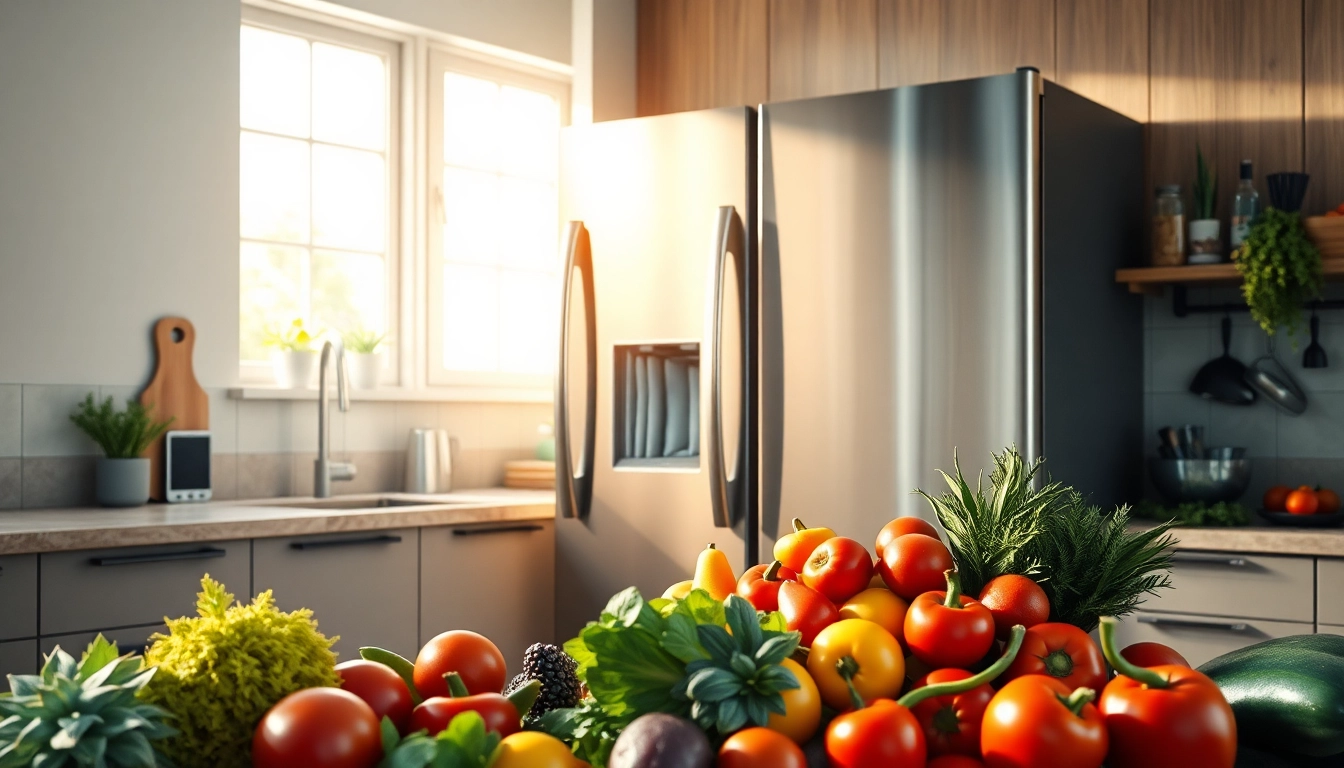
Understanding Types of Refrigerators
When it comes to selecting the perfect refrigerator for your kitchen, understanding the various types available on the market is crucial. Each type of Refrigerator offers distinct benefits and features suited to different lifestyles and preferences. Here, we will explore three of the most popular refrigerator styles: Top Freezer, French Door, and Side-by-Side refrigerators.
Top Freezer Refrigerator
The top freezer refrigerator is a classic design that continues to be a favorite among homeowners. This style features a freezer compartment located above the main refrigerator section, which is ideal for those who use their freezer frequently and want the convenience of easy access. Typically, top freezer models are more budget-friendly compared to other styles, making them a practical option for families or those on a tighter budget.
In terms of storage capacity, these units maximize space efficiently, offering ample room for fresh and frozen foods. Additionally, most top freezer refrigerators come with flexible shelving options, allowing users to customize their storage to fit various items. Energy-efficient models are also widely available, reducing long-term operating costs for users.
French Door Refrigerator
The French door refrigerator provides a modern touch to kitchen designs while offering significant functional advantages. Featuring two doors that swing open to reveal a wide fridge space at eye level, this design allows for easy access to commonly used items. The bottom freezer drawer is ideal for bulk storage, as it typically provides ample space for larger items and can include specialized compartments for optimizing organization.
One of the key benefits of French door refrigerators is their advanced technology integration. Many newer models offer features such as touchscreen interfaces, temperature control systems, and smart technology compatibility, allowing homeowners to monitor their food supply and energy use more effectively. The stylish design and numerous features make French door refrigerators a popular choice for modern kitchens.
Side-by-Side Refrigerator
For those looking for a contemporary design and space-saving advantages, the side-by-side refrigerator is an excellent option. This style splits the refrigerator and freezer compartments vertically, providing easy access to both sides simultaneously. Ideal for narrow kitchen spaces, side-by-side models allow users to open the doors fully without needing additional clearance, thus maximizing accessibility in tight areas.
Additionally, many side-by-side refrigerators come equipped with ice and water dispensers, offering convenience for busy households. While they may have slightly less storage space compared to the French door or top freezer models, their organization features, such as adjustable shelves and door bins, often compensate for this limitation, making it easy to store and access a variety of items.
Key Features to Look for in a Refrigerator
Choosing the right refrigerator goes beyond just selecting a style. Several features can significantly enhance functionality, energy efficiency, and user satisfaction. Below are key features to consider when shopping for your new appliance.
Energy Efficiency Ratings
Energy efficiency is a critical factor when selecting a refrigerator. Many models come with an Energy Star rating, indicating that they meet or exceed energy efficiency guidelines set by the U.S. Environmental Protection Agency. Choosing energy-efficient models can lead to substantial savings on electricity bills, making this a wise investment in the long run. Look for features like LED lighting and efficient compressors, which help reduce energy consumption.
Storage Capacity and Organization
Storage capacity is essential, as larger families may require more space for groceries and perishables. Assess the available space in your kitchen to determine the size that fits your needs. In addition, look for models designed with adaptable shelving, humidity-controlled crisper drawers, and door bins that can accommodate various sizes of items. These organization features can enhance accessibility and reduce food waste, ensuring that groceries are used effectively and efficiently.
Smart Technology Integration
The integration of smart technology in refrigerators has revolutionized the appliance industry, making life easier for homeowners. Many modern refrigerators come equipped with Wi-Fi capabilities and smartphone apps, allowing users to monitor temperatures, check food inventory, and receive alerts when maintenance is needed—all from their devices. Models featuring touchscreens may also provide recipes and meal ideas tailored to available ingredients, enhancing the user experience while promoting a more organized kitchen.
Measuring Your Space for a New Refrigerator
Before purchasing a refrigerator, it is essential to assess your kitchen layout and available space. Proper measurements can ensure that the chosen model fits seamlessly into your kitchen while maintaining accessibility. Here’s how to measure accurately.
Taking Accurate Measurements
Start by measuring the height, width, and depth of the space where the refrigerator will reside. Be sure to include any trim, moldings, or doorways that the unit must pass through. Additionally, consider the refrigerator’s size in relation to nearby cabinets and kitchen islands to ensure that it will not obstruct movement in the area.
Understanding Door Clearance
Door clearance is another critical aspect to consider. When selecting a refrigerator, ensure there is enough room for the doors to swing open without obstruction. Most models require several inches of clearance on either side for functionality and ventilation. Take the time to assess not only the door swing but also how the refrigerator will fit into the overall design of your kitchen.
Considering Plumbing Requirements
If you plan to invest in a refrigerator with a built-in ice maker or water dispenser, it's vital to consider the plumbing requirements. Ensure that there is access to water lines in the proposed installation area. If you do not have existing plumbing, factor in the potential costs and complexity of installation when choosing your refrigerator.
Maintenance Tips for Longevity
Maintaining your refrigerator is crucial to extending its lifespan and ensuring optimal performance. Implementing a few simple maintenance habits can make a significant difference. Here are some practical tips:
Regular Cleaning Guide
Regular cleaning of both the interior and exterior of your refrigerator will not only help maintain its appearance but also ensure the efficient operation of the appliance. Aim to clean the interior at least once every few months, removing expired or spoiled items and wiping down shelves. Additionally, clean the refrigerator coils on the back or underneath periodically to prevent dust buildup that could hinder efficiency.
Temperature Settings Recommendations
Setting your refrigerator to the right temperature is essential for food preservation. The ideal temperature range for the refrigerator section is between 37°F and 40°F, while the freezer section should be set to 0°F. Regularly check the temperature using a thermometer to ensure food safety and prevent spoilage.
Identifying Common Issues
Be proactive in identifying common refrigerator issues to avoid costly repairs. Listen for unusual noises, check for leaks, and monitor the performance to ensure everything is functioning correctly. If you notice any abnormalities, refer to the user manual for troubleshooting steps or consult a professional technician for assistance.
Frequently Asked Questions about Refrigerators
How often should I defrost my Refrigerator?
You should defrost your fridge whenever frost buildup exceeds 1/4 inch thick, usually every 6 months or as needed. Self-defrosting models minimize the need for manual defrosting.
What’s the best temperature setting for a Refrigerator?
The optimal temperature setting for a refrigerator is between 37°F and 40°F, while the freezer should be at 0°F to ensure food safety and freshness.
Can I buy a used Refrigerator?
Yes, you can buy a used refrigerator, but it’s essential to check for functionality, energy efficiency, and any warranty options before purchase to ensure reliability.
How to troubleshoot a noisy Refrigerator?
First, check for loose items or improper leveling of the unit. If the noise persists, it may indicate a problem with the compressor or condenser fan, and professional assistance might be needed.
When should I replace my Refrigerator?
Consider replacing your refrigerator if it is over 10 years old, frequently breaks down, or if energy bills are rising significantly compared to newer models.