
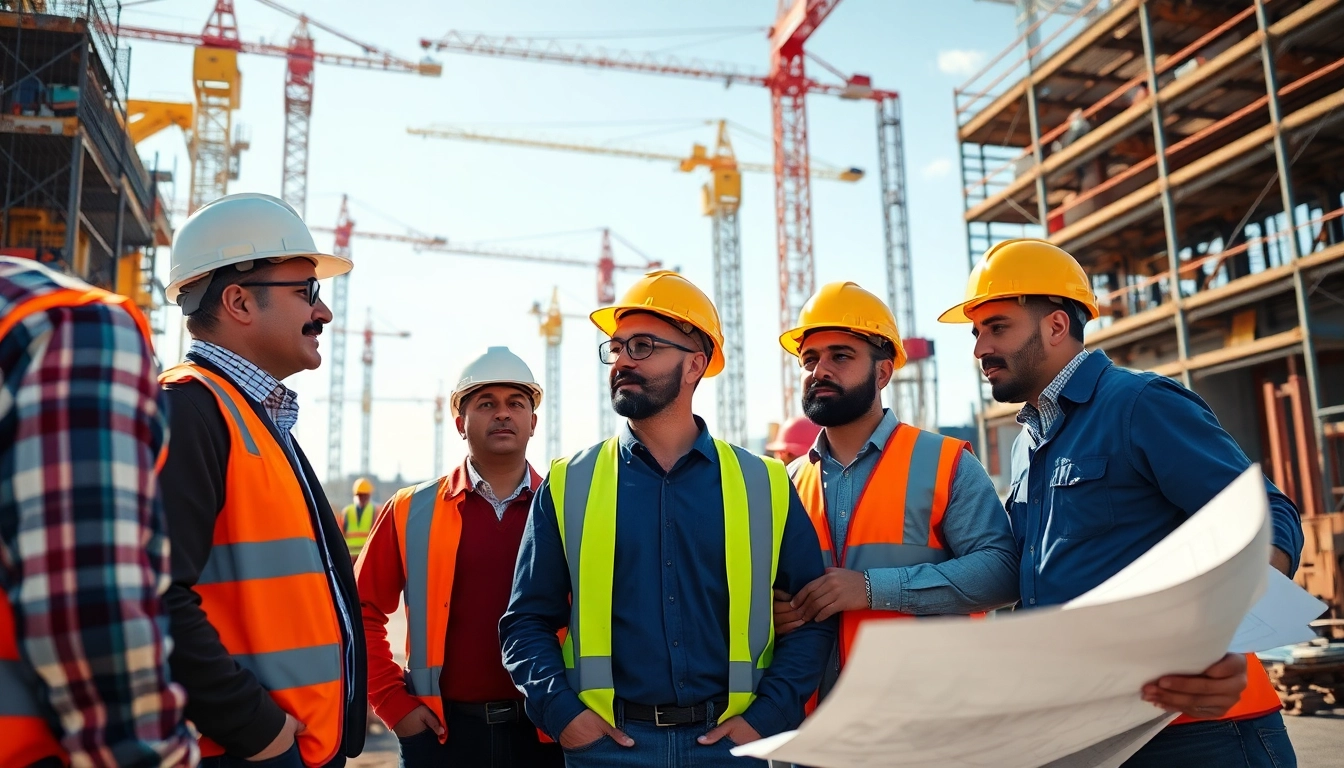
Understanding Construction Association
What is a Construction Association?
A construction association serves as a vital collective for professionals in the construction industry, bridging the gap between contractors, suppliers, and other key stakeholders. These organizations play a pivotal role in creating a unified voice for the industry, advocating for best practices, and addressing challenges faced by their members. They also provide necessary resources, information, and training to ensure industry professionals are well-equipped to succeed in a constantly evolving market.
Objectives and Benefits
The primary objective of a construction association is to represent the interests of its members at local, state, and national levels. By uniting various sectors of the construction industry, these associations strive to:
- Advocate for favorable legislation and regulations.
- Provide educational and training resources.
- Facilitate networking opportunities for members.
- Promote safety standards and best practices.
- Enhance overall industry knowledge and information sharing.
Members benefit from enhanced credibility, access to industry insights, reduced operational risks, and potential cost savings through group purchasing programs. The collaborative environment created by construction associations fosters innovation and continuous improvement across the industry.
Key Members of a Construction Association
Key members of a construction association typically include:
- Contractors, ranging from general contractors to specialized subcontractors.
- Suppliers of construction materials and equipment.
- Engineers and architects who design construction projects.
- Building inspectors and regulatory officials.
- Trade unions and professional associations associated with construction trades.
This diverse membership base allows for a wide range of perspectives and expertise, which significantly enriches the association’s ability to respond to industry challenges and advocate effectively for its members.
Roles and Responsibilities
Advocacy and Support
A core responsibility of construction associations is advocacy. They represent their members in legislative matters, ensuring that their voices are heard in policy discussions at various levels of government. Construction associations engage with lawmakers to promote legislation that supports infrastructure development, enhances job creation, and maintains fair competition within the industry. Additionally, they offer guidance and support to members in navigating complex regulatory environments.
Networking Opportunities
Networking is a foundational aspect of construction associations. They organize events, seminars, and conferences where members can meet, share knowledge, and explore potential partnerships. These opportunities facilitate collaboration that can lead to joint ventures, new business opportunities, and valuable insight into industry trends. The relationships forged within these networks can be instrumental in a member’s career growth and operational success.
Education and Training Programs
Construction associations play a critical role in education and training. They offer a variety of educational programs aimed at improving the skills and knowledge of their members. From safety training and certification programs to leadership development courses, these initiatives help keep industry professionals current with the latest technologies, regulations, and best practices. Furthermore, many associations partner with industry experts to deliver workshops and seminars focused on relevant topics.
Impact on the Industry
Promoting Best Practices
One of the primary impacts of construction associations is the promotion of best practices within the industry. By establishing standards and guidelines, these organizations help members enhance their operational efficiency while adhering to regulations. This commitment to excellence fosters a culture of quality, reliability, and accountability across the construction sector.
Influencing Legislation
Construction associations are instrumental in shaping industry legislation. They conduct research, compile data, and provide insights that influence policymakers’ decisions. By advocating for laws that benefit the construction sector, these associations work to create a stable and conducive environment for business growth. They also educate members about impending legislation, preparing them to adapt to changes effectively.
Enhancing Safety Standards
Safety standards are paramount in the construction industry due to its inherently high-risk environment. Construction associations lead efforts in enhancing safety protocols, providing resources and training aimed at reducing workplace accidents and injuries. Through safety campaigns, certification programs, and workshops, they help instill a culture of safety that benefits workers, employers, and the broader community.
How to Join a Construction Association
Eligibility Criteria
Eligibility criteria for joining a construction association may vary, but generally, individuals and businesses involved in the construction industry can apply. This includes contractors, subcontractors, suppliers, engineers, architects, and other related professionals. Many associations also welcome firms that support the construction industry, such as financial institutions and service providers.
Application Process
The application process typically involves filling out a membership form, providing relevant documentation about the applicant’s business or professional background, and paying any necessary fees. Some associations might also require references from existing members or proof of industry experience. Upon submission, the application is reviewed, and the applicant is notified of the status.
Membership Fees
Membership fees vary depending on the association and the level of membership. Fees may be structured based on company size, type, or the benefits included with the membership. Many associations offer tiered membership plans that provide different levels of access to resources, networking opportunities, and training programs. It is important for potential members to understand these costs and their value.
Future Trends in Construction Associations
Technological Integration
As technology continues to evolve, construction associations are integrating digital tools and platforms to enhance member engagement and service delivery. These advancements include online training programs, virtual networking events, and digital advocacy campaigns. By embracing technology, associations can provide their members with real-time access to critical resources and information, making it easier to stay connected and informed.
Focus on Sustainability
The emphasis on sustainability is growing within the construction industry, and associations are now at the forefront of promoting green practices. They are advocating for sustainable building techniques, materials, and project management methods that reduce environmental impact. Many construction associations participate in initiatives aimed at educating members about sustainability standards and practices, ensuring that the industry moves toward greener solutions.
Expanding Global Collaboration
With globalization becoming an inherent part of business, construction associations are increasingly looking beyond national borders for collaboration opportunities. This trend includes establishing partnerships with international associations to share knowledge, best practices, and resources. By fostering global dialogue and cooperation, these associations can address common challenges and collectively advance the interests of the construction industry worldwide.
FAQs
What is the primary goal of a construction association?
The primary goal is to advocate for industry interests, provide networking opportunities, and enhance member education.
Who can become a member of a construction association?
Individuals and organizations in the construction industry, such as contractors, suppliers, and engineers, can join.
What types of training do construction associations offer?
They offer various training programs, including safety courses, certification programs, and leadership training.
How can construction associations influence legislation?
They lobby for favorable laws and regulations, representing the interests of construction professionals to policymakers.
Why is networking important in construction associations?
Networking helps members connect for partnerships, resources, and sharing industry knowledge, enhancing business opportunities.