
Overview of Goechala Trek
Introduction to Goechala Trek
The goechala trek is not just another trekking route; it’s a mesmerizing expedition that promises stunning views and a unique challenge for trekkers. Nestled in the eastern Himalayas of India, this trek offers trekkers the chance to experience some of the most breathtaking landscapes while drawing close to the majestic Kanchenjunga, the third-highest mountain in the world. Comprising diverse terrains—from dense forests to alpine meadows and glacial landscapes—the trek spans approximately 90 kilometers over the course of 11 days, ultimately taking you to the Goecha La pass at an elevation of 4940 meters, providing unparalleled vistas. This trek is ideal for seasoned trekkers seeking both physical challenge and the serenity of nature.
Location and Accessibility
The Goechala trek is primarily accessed from Yuksom, a quaint village in West Sikkim, which is rich in cultural heritage. To reach Yuksom, one can fly into Bagdogra Airport and then take a taxi or shared vehicle to Yuksom, which is approximately 140 km away. The journey takes around 6 hours and provides scenic views of the landscapes that hint at the beauty awaiting you in the mountains. Once in Yuksom, the trek begins, winding through spectacular natural environments that further enrich the trekking experience.
Breathtaking Scenery
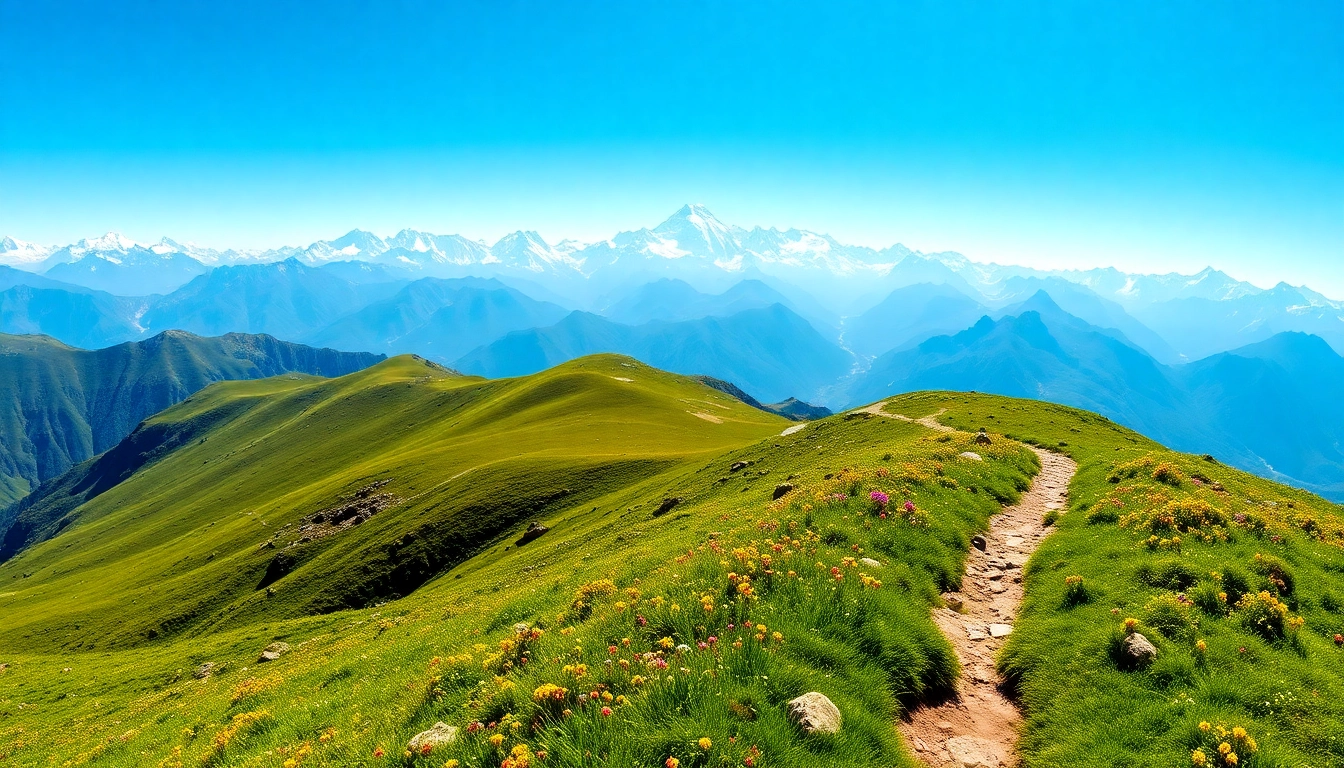
A significant allure of the Goechala trek lies in its scenic beauty. Trekkers are greeted with lush rhododendron forests, glittering streams, and high-altitude meadows decorated with wildflowers. As you ascend, the views grow more spectacular, culminating in panoramic views of the Kanchenjunga massif and its neighboring peaks. The changing landscapes at each stage of the trek—from the dense forests to the stark, high-altitude terrain—offer a unique visual feast and a sense of awe for the grandeur of nature.
Preparing for the Goechala Trek
Physical Fitness and Training
The Goechala trek is known for its difficulty due to its altitude and the physical demands it places on trekkers. Adequate physical preparation is essential for a successful journey. Start a training regimen at least 2-3 months before the trek, focusing on endurance and strength-building activities such as hiking, running, cycling, and swimming. Aim to hike on trails with elevation gain; this will help you acclimate to the altitude and prepare your muscles for the ascent. Incorporate workouts that increase cardiovascular fitness while also practicing hikes with elevation changes to simulate what you will experience on the trek.
Essential Gear and Packing List
A proper packing strategy is crucial for any trek, especially one as challenging as the Goechala trek. Here’s a comprehensive packing list:
- Footwear: Sturdy trekking boots, comfortable sandals or camp shoes.
- Clothing: Moisture-wicking base layers, fleece jacket, waterproof jacket, thermal wear, and extra socks.
- Accessories: Warm hat, gloves, buff or scarf, and sunglasses.
- Camping Gear: A light-weight sleeping bag, inflatable sleeping mat, and a durable backpack (50-70 liters).
- Hydration: Reusable water bottle or hydration system, purification tablets.
- Essentials: First-aid kit, headlamp, multi-tool, toiletries, and trekking poles.
Packing wisely ensures both comfort and safety during the expedition, allowing trekkers to focus on the experience instead of their gear.
Determining the Best Time to Trek
The ideal time to embark on the Goechala trek is during the pre-monsoon months from mid-March to May and the post-monsoon months from late September to November. During these periods, the weather is relatively stable, with clear skies that offer stunning views of the mountains. Avoiding the monsoon season is advised due to heavy rainfall in the region, which can pose safety risks and render trails challenging to navigate. Visibility significantly enhances your experience and offers perfect opportunities for photography.
Itinerary for Goechala Trek
Day-by-Day Breakdown
The trek typically spans around 11 days, each day packed with its own unique experiences and challenges. Below is a day-by-day breakdown:
- Day 1: Arrive at Yuksom. Acclimatization and local exploration.
- Day 2: Trek from Yuksom to Sachen. Distance: 10 km.
- Day 3: Trek from Sachen to Tshoka. Distance: 7 km.
- Day 4: Trek from Tshoka to Dzongri. Distance: 10 km.
- Day 5: Rest day at Dzongri for acclimatization and exploration.
- Day 6: Trek from Dzongri to Goechala. Distance: 9 km.
- Day 7: Return trek to Dzongri.
- Day 8: Trek from Dzongri to Tshoka.
- Day 9: Trek from Tshoka to Sachen.
- Day 10: Trek from Sachen back to Yuksom.
- Day 11: Departure from Yuksom.
Key Highlights of Each Day
Each day of the trek features highlights that range from geographic wonders to tranquil campsites. Day 1 at Yuksom introduces trekkers to a picturesque village steeped in history. Day 3’s Tshoka offers awe-inspiring views of the mountains, while Day 5 at Dzongri showcases ethereal sunrise views across Kanchenjunga. On Day 6, the highlight is undoubtedly reaching Goechala, where the majestic peaks loiter romantically against the horizon, promising moments of bliss for every photographer and nature lover.
Rest Points and Campsites
The designated campsites throughout the goechala trek provide a sanctuary amidst the ruggedness. Each camp is strategically located for rest and to form a community among trekkers. Regular breaks are essential, allowing travelers to enjoy meals and appreciate their surroundings. These campsites promote interaction, storytelling, and rest after a challenging day on the trail.
Challenges and Safety During the Trek
Common Challenges Faced
Apart from the obvious physical challenges posed by steep ascents and long distances, trekkers face altitude sickness, unpredictable weather, and rugged terrains. The paths can be stony and narrow, requiring constant attention. Thus, mental preparation and physical strength are fundamental. Acclimatization days serve a critical purpose in helping the body adapt to increasing altitudes, significantly mitigating altitude sickness risk.
Safety Tips and Precautions
Safety is paramount in trekking. Here are essential tips:
- Always acclimatize properly; do not rush the trek.
- Carry a first-aid kit and know basic first-aid practices.
- Keep hydrated; altitude can often lead to dehydration.
- Be aware of weather conditions, as they can change rapidly.
- Travel with a reliable guide or as part of an organized group.
A well-informed trekker is a safe trekker, making it essential to adhere to these guidelines.
Emergency Contact Information
Before embarking, ensure you have a reliable means to communicate. Carry local emergency numbers, such as rescue agencies, and the contact details of locals in Yuksom. Mobile services are variable, so consider carrying a satellite phone if heading into remote areas.
Experiencing the Culture of Sikkim
Local Traditions and Customs
Sikkim boasts a rich cultural mosaic influenced by Tibetan and Nepalese traditions. As trekkers navigate through villages, they can witness vibrant festivals and traditional dances, immersing themselves in the local culture. Respect for local customs is crucial; engaging with local communities adds value to the journey and fosters positive interactions.
Interaction with Local Communities
Engaging with local communities offers trekkers a deeper understanding of Sikkim’s rich heritage. It’s common to interact with locals over meals or while resting at campsites. Such interactions often lead to unforgettable exchanges, allowing trekkers to learn more about their lifestyle and perspectives, further enriching the trekking experience.
Food and Cuisine Along the Trek
The culinary offerings in Sikkim reflect its diverse culture. Along the trek, trekkers can enjoy local dishes such as momos (dumplings), thukpa (noodle soup), and other Sikkimese specialties made from locally sourced ingredients. Eating these local foods not only fuels the body for the trek but also represents a slice of Sikkim’s unique cultural identity.
FAQs
How difficult is the Goechala trek?
The Goechala trek is considered difficult due to its high altitude of around 90 km over 11 days, involving steep ascents and rugged paths. Trekkers should be in good physical condition for this journey.
What is the cost of the Goechala trek?
The approximate cost for the Goechala trek is ₹1500 (plus 5% GST) one way, totaling ₹3000 for both onward and return journeys. Additional costs may include meals and gear rentals.
What should I pack for the Goechala trek?
Pack essentials like sturdy hiking boots, weather-appropriate clothing, a sleeping bag, first-aid supplies, and hydration gear. Consider carrying energy snacks and a camera for beautiful moments!
When is the best time to go for the Goechala trek?
The best time for the Goechala trek is from mid-March to May and from September to November. These months typically offer clearer weather and stunning views of the mountains.
How can I prepare physically for the Goechala trek?
To prepare physically, focus on endurance training through cardio exercises such as running or cycling. Regular hikes will help you adapt to the trails and build strength for the adventure ahead.