
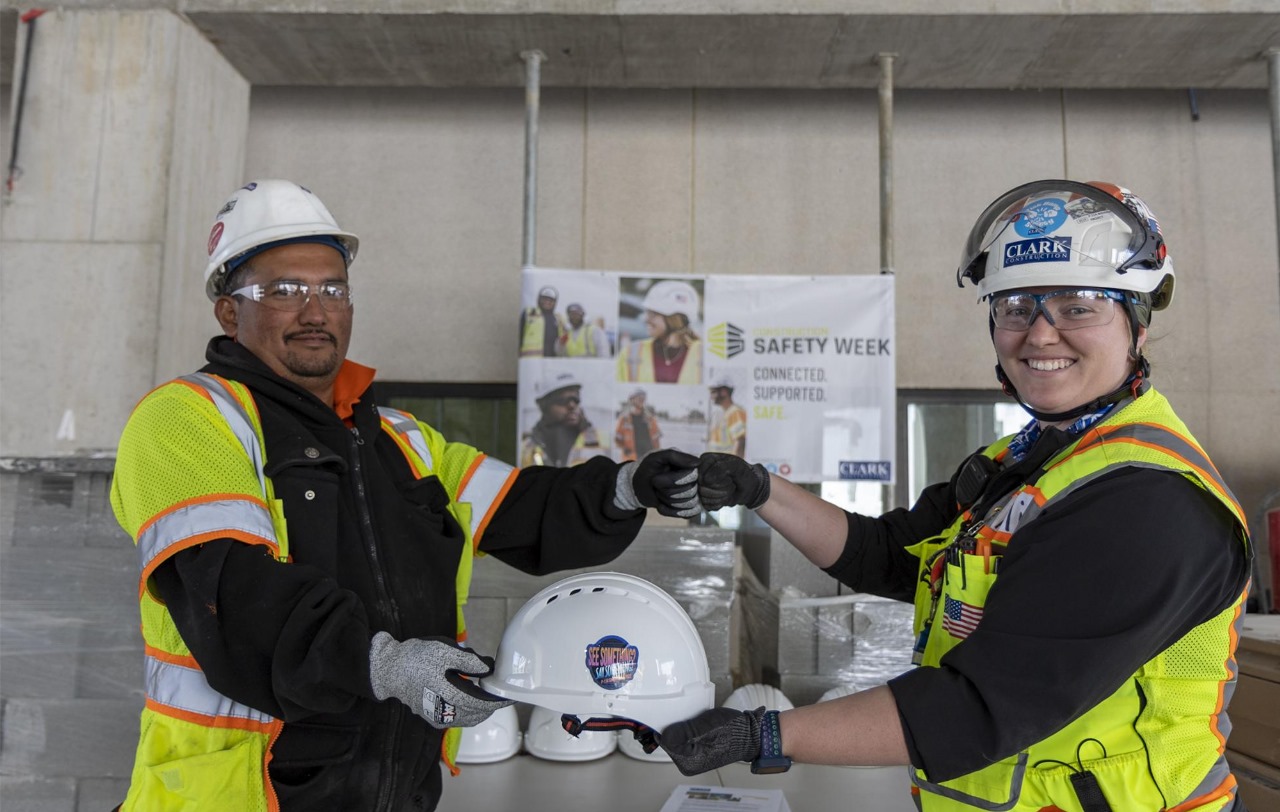
In an age where industries evolve faster than ever, Trade schools in Hawaii have emerged as a vital solution for bridging the skills gap and empowering local communities. As Hawaii continues to invest in its construction, renewable energy, and technology sectors, the need for highly skilled professionals has never been greater. These trade schools are not only preparing students for in-demand careers but also fueling the state’s long-term economic growth and sustainability.
The Growing Importance of Trade Education in Hawaii
A Shift from Traditional College Paths
For decades, a four-year college degree was considered the only route to success. However, today’s economy tells a different story. Employers are increasingly valuing practical experience and hands-on skills over academic theory. Hawaii, with its diverse economy and booming trades, reflects this shift. Trade schools across the islands are responding to workforce needs by offering specialized programs that lead directly to employment in high-demand fields like construction, electrical work, HVAC, and healthcare support.
Hawaii’s Unique Workforce Needs
Hawaii’s economy is heavily dependent on industries like tourism, construction, and renewable energy. With an aging workforce and ongoing infrastructure projects, skilled trades are in high demand. From building sustainable homes to installing solar panels and maintaining hotel systems, trade professionals form the backbone of Hawaii’s progress. Trade schools in Hawaii provide students with targeted training that aligns with these needs, ensuring they graduate ready to contribute immediately.
How Trade Schools Support Hawaii’s Economic Growth
Filling the Skills Gap
One of the biggest challenges in Hawaii’s labor market is the shortage of qualified workers in the skilled trades. Many young people leave the state for higher education opportunities, and employers struggle to find trained workers locally. Trade schools are reversing this trend by offering accessible, career-focused programs that keep local talent in the state. By doing so, they not only fill essential roles but also strengthen Hawaii’s economic resilience.
Creating Job-Ready Graduates
Unlike traditional colleges, trade schools focus on real-world applications. Students gain hands-on experience through labs, apprenticeships, and industry partnerships. This approach allows graduates to enter the workforce quickly and confidently. Many programs can be completed in under two years, making them a practical and cost-effective alternative to a four-year degree. Graduates often secure stable, well-paying jobs right after completion, boosting both their personal finances and the state’s economy.
Key Advantages of Trade Schools in Hawaii
1. Affordable Education and Faster Completion
Higher education costs continue to rise across the U.S., leaving many students with burdensome debt. Trade schools in Hawaii offer a more affordable option with shorter program durations, often between 6 months and 2 years. This allows students to start earning sooner while avoiding excessive student loans.
2. Hands-On Learning and Real-World Experience
Trade schools emphasize learning by doing. Whether it’s welding, electrical installation, or plumbing, students practice their skills under real conditions. This experiential learning model ensures that graduates are not just knowledgeable but capable and confident.
3. Strong Industry Connections
Many trade schools in Hawaii maintain close partnerships with local businesses, unions, and government programs. These relationships lead to internships, apprenticeships, and job placements after graduation. Employers also collaborate in shaping curricula, ensuring that training stays relevant to current market needs.
4. High Employment and Salary Potential
Skilled trades offer excellent earning opportunities. Electricians, plumbers, HVAC technicians, and construction managers can earn competitive wages without the need for a traditional four-year degree. As Hawaii continues to expand its infrastructure and green energy initiatives, these salaries are expected to rise even further.
The Role of Trade Schools in Building Sustainable Industries
Supporting Hawaii’s Green Economy
Sustainability is at the heart of Hawaii’s future. The state has ambitious goals to achieve 100% renewable energy by 2045, which requires a skilled workforce to design, install, and maintain green technologies. Trade schools play a crucial role in this transformation by offering programs in solar energy installation, sustainable construction, and environmental engineering. Graduates not only secure promising careers but also contribute to Hawaii’s environmental stewardship.
Enhancing Local Construction and Infrastructure
Hawaii’s construction industry is booming, with new residential, commercial, and tourism-related projects emerging statewide. Trade schools prepare students for roles such as carpenters, masons, electricians, and heavy equipment operators. These professionals are essential for meeting the growing demand for modern, sustainable infrastructure while maintaining the islands’ cultural and environmental integrity.
Top Trade Programs Shaping Hawaii’s Workforce
Construction and Carpentry
With ongoing housing and commercial projects, construction and carpentry programs are among the most popular in Hawaii. Students learn building codes, project planning, and safety regulations while gaining experience through supervised fieldwork.
Electrical and Renewable Energy Technology
Electrician training and solar energy programs are critical to Hawaii’s renewable energy goals. Students master electrical theory, system installation, and maintenance—skills directly applicable to the state’s shift toward sustainable energy sources.
Plumbing and HVAC Technology
Proper heating, ventilation, and plumbing systems are essential in Hawaii’s buildings. Trade schools provide intensive training in system design, diagnostics, and repairs, preparing students for certification and immediate employment.
Welding and Fabrication
From ship repair to construction, welding remains a vital trade. Hawaii’s maritime and construction industries rely heavily on skilled welders, and trade schools ensure students are certified and ready to take on these high-demand jobs.
Healthcare Support Programs
Beyond traditional trades, many schools also offer medical assisting, dental hygiene, and nursing support programs. These help fill essential healthcare roles, especially in underserved areas across the islands.
How Trade Schools Benefit Hawaii’s Communities
Trade schools don’t just create jobs—they strengthen communities. By training residents in valuable skills, they help reduce unemployment and reliance on outside labor. Many graduates choose to stay and work locally, supporting Hawaii’s self-sufficiency and community development. The sense of pride and accomplishment that comes with building one’s career in their home state cannot be overstated.
Challenges and the Path Forward
Despite their many benefits, trade schools face challenges such as funding limitations and misconceptions about career prestige. Some still view vocational education as a “lesser” option compared to university degrees. However, as the demand for skilled trades continues to outpace traditional academic fields, perceptions are shifting. Increasing awareness, state investment, and partnerships with industry leaders are key to sustaining this positive momentum.
Choosing the Right Trade School in Hawaii
When selecting a trade school, prospective students should consider factors such as accreditation, program length, instructor experience, and job placement rates. Schools like Honolulu Community College, Hawaii Community College, and private institutions across Oahu and the Big Island offer excellent trade programs with proven outcomes. Many institutions also provide financial aid, scholarships, and flexible scheduling to accommodate working adults.
Conclusion: Investing in Hawaii’s Future
Trade schools in Hawaii are more than just educational institutions—they are the foundation of the state’s workforce development strategy. By equipping residents with the skills to thrive in essential industries, these schools are ensuring that Hawaii’s economic growth remains sustainable, inclusive, and resilient. For students seeking a meaningful, hands-on career path, trade education offers a direct route to success.
As Hawaii continues to evolve, investing in trade education means investing in the islands’ future—building stronger communities, empowering local talent, and securing a workforce ready to meet tomorrow’s challenges.