
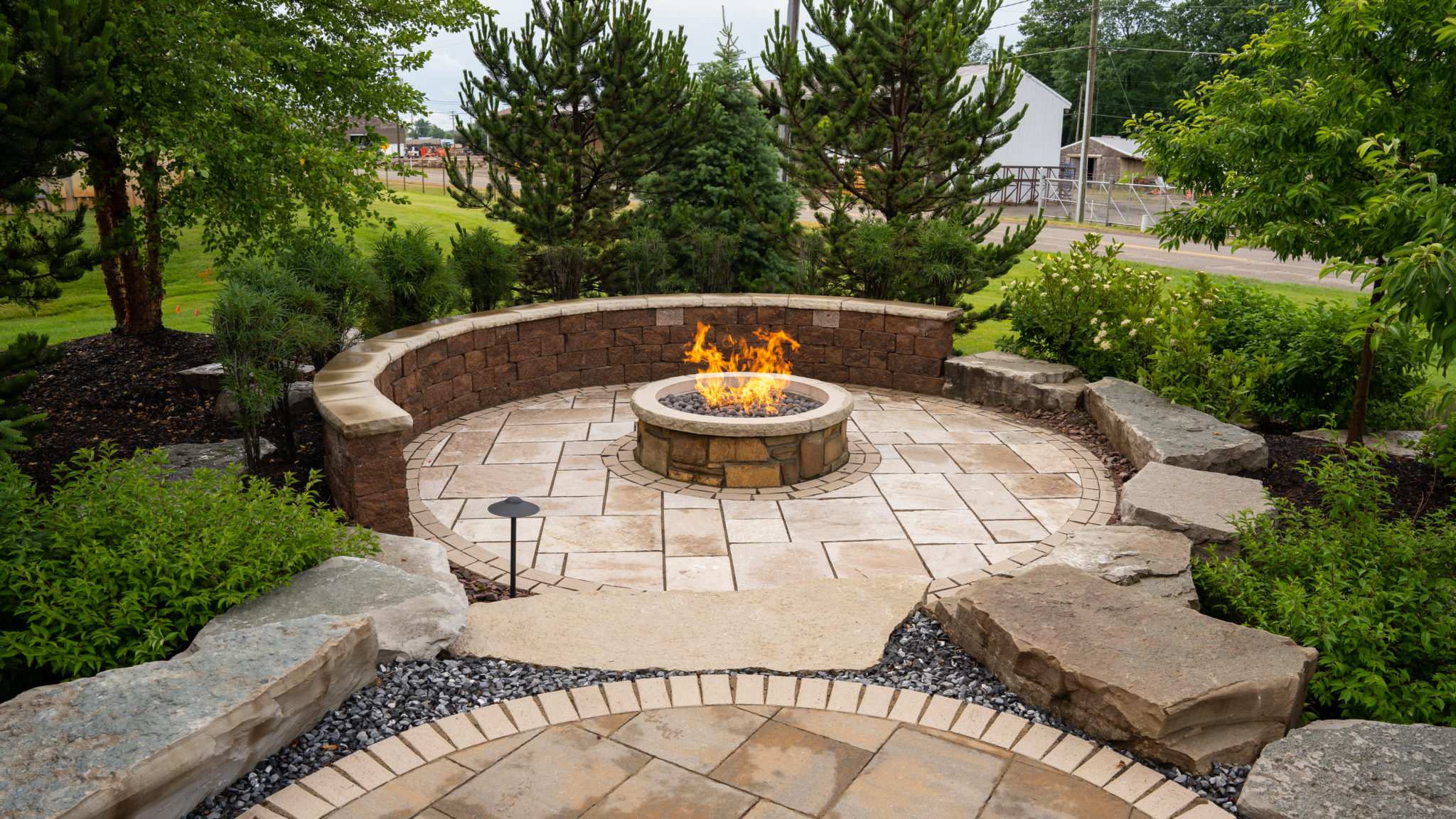
What is hardscaping?Hardscaping refers to the solid, non-living elements of an outdoor space that provide structure, usability, and long-term durability. Unlike softscape elements such as plants or grass, hardscaping creates the framework of a landscape, defining spaces, guiding movement, and setting the tone for both aesthetics and functionality. From the moment a landscape is envisioned, hardscaping plays a critical role in determining how an area is used whether it’s for entertaining guests, creating a relaxing retreat, or managing high-traffic zones.
Beyond its visual impact, hardscaping offers practical benefits that significantly improve the usability of outdoor areas. Properly designed patios, pathways, and retaining walls help control water runoff, prevent soil erosion, and minimize maintenance challenges. Hardscaping also enhances safety by creating even surfaces, clearly defined walkways, and stable structures that withstand varying weather conditions. Moreover, with outdoor living spaces becoming an extension of the home, the demand for durable, well-planned hardscaping continues to rise, as it allows homeowners to maximize functionality while maintaining style and elegance.
Ultimately, hardscaping is more than just decoration; it's the backbone of every sustainable, organized, and inviting outdoor environment. Investing in thoughtful hardscape design ensures a landscape not only looks impressive but also performs reliably for years, creating spaces that can be enjoyed in any season.
What Is Hardscaping in Today’s Landscape Design?
When asking what is hardscaping, the answer extends far beyond basic patios or paved paths. Hardscaping encompasses all the permanent and semi-permanent features that define an outdoor space, providing structure, functionality, and visual appeal. These elements not only create aesthetic interest but also enhance the overall usability and efficiency of a landscape. By strategically incorporating hardscaping, outdoor areas can be transformed into functional extensions of living spaces, seamlessly blending beauty with practicality.
Key hardscaping elements include:
- Stone patios, pavers, and outdoor flooring: These create durable surfaces for seating, dining, and entertaining while defining the boundaries of outdoor living areas. Materials such as natural stone, concrete, and brick add texture and timeless appeal.
- Walkways, driveways, and entryways: Well-planned paths guide movement safely, improve accessibility, and prevent soil erosion caused by foot traffic. Thoughtful design ensures these areas complement the overall landscape layout.
- Retaining walls for erosion and grade control: Retaining walls serve both functional and decorative purposes. They stabilize slopes, prevent soil erosion, and provide opportunities for raised planting beds, benches, or terraces.
- Fire pits, seating walls, pergolas, and outdoor kitchens: These elements enhance outdoor living by creating entertainment zones, gathering spaces, and areas for relaxation. They also add architectural interest and can be customized to suit different styles.
- Drainage solutions and decorative masonry: Proper drainage prevents water damage, protects plantings, and maintains structural integrity, while decorative masonry such as fountains, stone edging, or sculptures adds personality and elegance to the space.
Each hardscaping component plays a crucial role in improving safety, accessibility, and the long-term durability of the landscape. When thoughtfully combined, these features create harmony between structural elements and greenery, ensuring outdoor spaces are not only visually appealing but also practical, safe, and sustainable. Properly designed hardscaping can also reduce maintenance needs, making it a smart investment for homeowners seeking both beauty and function in their outdoor environment.
The Benefits of Hardscaping for Homeowners
Hardscaping delivers a wide range of functional, aesthetic, and financial benefits that make it an essential component of modern landscape design. By incorporating durable materials such as stone, brick, concrete, or composite decking, homeowners can significantly reduce maintenance planningcompared to high-maintenance landscaping alternatives. Unlike softscape elements, which require seasonal upkeep, watering, pruning, and replanting, hardshipscape features provide enduring value and a low-maintenance foundation for outdoor spaces.
Properly designed hardscaping also improves landscape performance and protects other elements of the property. Features like graded patios, permeable pavers, and retaining walls ensure effective drainage, preventing soil erosion, water pooling, and damage to surrounding plants and structures. These solutions not only safeguard the home and yard but also enhance safety, creating stable surfaces for walking, driving, or entertaining.
Hardscaping vs. Softscaping: Why Balance Matters
To achieve a cohesive and inviting outdoor environment, it’s essential to balance hardscaping and softscaping:
- Hardscaping: Structural, permanent, weather-resistant elements that provide stability, functionality, and longevity.
- Softscaping: Living components such as plants, lawns, trees, soil, and seasonal flowers that add color, texture, and life to the space.
A thoughtful design blends hard and soft elements to create contrast, comfort, and visual appeal. For example, a stone patio surrounded by lush greenery and flowering beds not only defines a usable area but also adds warmth, depth, and harmony to the outdoor space. Strategic integration of both ensures the landscape is practical, visually stunning, and enjoyable year-round.
Why Professional Hardscaping Matters
Expert installation ensures correct material selection, load support, drainage planning, and code compliance. Bluesky Landscaping delivers expertly crafted hardscaping solutions that enhance outdoor living while aligning with long-term property goals. Precision design turns underused yards into functional extensions of the home.
Conclusion
Understandingwhat is hardscaping unlocks smarter, more strategic outdoor design decisions that combine beauty, functionality, and long-term value. Hardscaping is not merely about placing stones or building patios; it is the foundation that shapes outdoor spaces, defines their purpose, and enhances daily living. By integrating durable materials, thoughtful layouts, and functional elements like walkways, retaining walls, and seating areas, homeowners can create landscapes that are both visually striking and highly practical.
The benefits of investing in quality hardscaping extend beyond aesthetics. Properly designed hardscape features increase property value, improve accessibility, and provide safer, more organized outdoor environments. They also reduce long-term maintenance, protect softscape elements, and offer solutions for common challenges like drainage and erosion control. In a world where sustainable, low-maintenance, and multi-functional outdoor spaces are increasingly sought after, hardscaping has become a key differentiator in modern landscape design.
Explore professional hardscaping solutions atBluesky Landscaping and take the first step toward elevating outdoor spaces with designs that stand the test of time. Whether for entertaining, relaxation, or enhancing property value, expertly crafted hardscaping creates landscapes that are both beautiful and built to last.