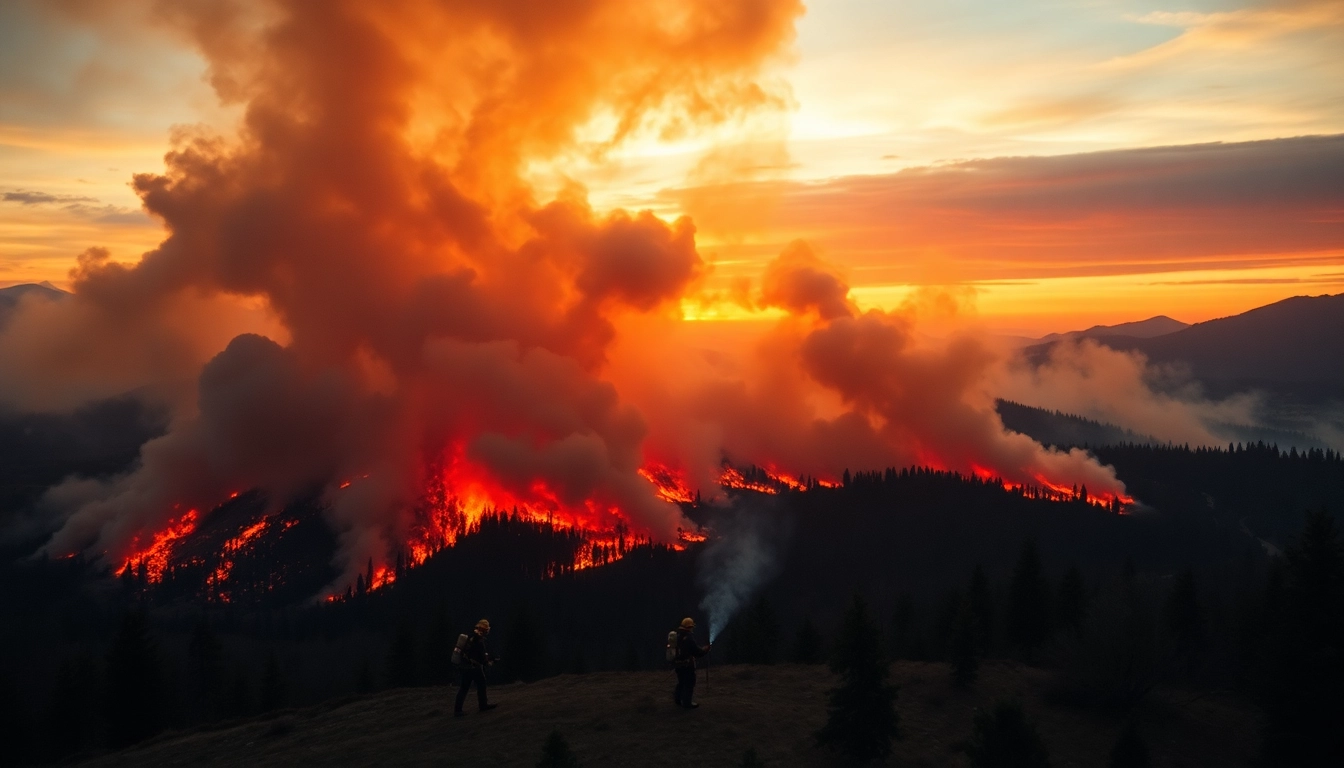
What Are Wildfire Events?
Definition and Characteristics of Wildfire Events
Wildfire events are uncontrolled fires that occur in wildland areas, often fueled by dry vegetation and weather conditions conducive to fire spread. These fires can vary in size, intensity, and behavior, ranging from small grass fires to large infernos that consume thousands of acres. Wildfires can ignite from both natural and human-induced sources, and their impact can reverberate through ecosystems, communities, and economies. An essential aspect of understanding Wildfire events is recognizing their dual nature as both a destructive force and a natural ecological phenomenon.
Natural versus Human-Caused Wildfire Events
Wildfires can be classified as natural or human-caused. Natural wildfires typically arise from natural occurrences such as lightning strikes, volcanic eruptions, or spontaneous combustion. These fires often play a crucial ecological role by promoting biodiversity and rejuvenating ecosystems. In contrast, human-caused wildfires result from activities such as campfires left unattended, discarded cigarettes, burning debris, or arson. The growing prevalence of human-induced wildfires has raised concerns about our environmental stewardship in recent decades.
The Ecological Role of Wildfire Events
While wildfires may seem devastating, they play an integral role in many ecosystems. For instance, certain plants, such as sequoias and lodgepole pines, have evolved to thrive in post-fire environments. Wildfires can clear dead or dying vegetation, allowing sunlight to reach the forest floor and enhancing nutrient cycling. Furthermore, by fostering a cycle of regeneration, wildfires contribute to the overall health and resilience of the ecosystem. However, the challenge arises when wildfire events become extreme, leading to significant ecological disruption.
Causes of Wildfire Events
Common Natural Causes of Wildfire Events
Natural causes of wildfires predominantly stem from weather phenomena. Hot, dry, and windy conditions can create a perfect storm for fire outbreaks. Lightning strikes are one of the leading natural causes, responsible for igniting many wildfires. Additionally, drought conditions can dry out vegetation, making it highly susceptible to ignition. Other factors may include volcanic activity, which can eject burning material into the atmosphere, and the phenomenon of spontaneous combustion in severely dry conditions.
Human Activities Leading to Wildfire Events
Human activities account for the majority of wildfire incidents, often resulting from negligence or accident. Common culprits include escaped campfires, improperly discarded cigarettes, and agricultural burning. In recent years, the role of urban development encroaching into wildland areas, often referred to as the wildland-urban interface (WUI), has heightened the risk of fire spread into populated regions. Education on responsible fire practices is crucial in mitigating human-caused wildfires.
Influence of Climate Change on Wildfire Events
Climate change significantly impacts wildfire frequency, intensity, and distribution. Increasing temperatures, prolonged droughts, and shifting rainfall patterns are transforming landscapes and making them more vulnerable to fire. A rise in average temperatures is correlated with an uptick in extreme wildfire events, as drier conditions facilitate more intense burn episodes. Understanding these interactions underscores the necessity for informed climate action and wildfire preparedness strategies.
Impacts of Wildfire Events on Environment and Communities
Ecological Consequences of Wildfire Events
Wildfire events carry profound ecological consequences that can be both beneficial and catastrophic. Beneficial impacts include regeneration of certain flora, while adverse effects may manifest as soil erosion, habitat destruction, and loss of biodiversity. Ecosystems take years to recover from severe wildfires, and this recovery can be influenced by post-fire management practices. An ecosystem's resilience is pivotal in determining recovery speed and long-term health.
Health and Safety Risks Associated with Wildfire Events
The health impacts of wildfire events extend beyond direct fire hazards. Many individuals face respiratory issues due to smoke inhalation, while others may suffer from anxiety or distress associated with enduring a wildfire. Vulnerable populations, such as the elderly and those with pre-existing health conditions, are at increased risk. Moreover, wildfires can lead to loss of life, property, and critical infrastructure, creating immediate safety concerns for affected communities.
Socioeconomic Impacts of Wildfire Events
The economic impacts of wildfires can be staggering, with costs arising from firefighting efforts, property destruction, and lost revenue from disrupted businesses and tourism. Communities struck by wildfires often face long recovery periods, contributing to increased insurance rates and economic instability. Furthermore, the cost of rehabilitation and restoration can strain local and federal resources. Understanding these socioeconomic ramifications is crucial for informed planning and recovery strategies.
Prevention Strategies for Wildfire Events
Best Practices in Wildfire Management
Effective wildfire management requires a multifaceted approach that encompasses prevention, preparedness, response, and recovery. Best practices include maintaining defensible space around properties, employing prescribed burns to reduce fuel loads, and enhancing forest health through thinning and controlled removal of hazardous vegetation. Training and equipping firefighting personnel is also vital for effective immediate response during wildfire events.
Community Preparedness for Wildfire Events
Community preparedness is paramount when facing wildfire threats. Public education campaigns can raise awareness about fire risks and promote proactive measures among residents. Community fire plans that outline evacuation routes and communication protocols are essential for timely and effective action during an emergency. Involvement from local organizations, firefighters, and government agencies fosters resilience and a quicker recovery for communities at risk.
Policy and Regulation in Wildfire Prevention
Effective wildfire prevention policies and regulations are crucial for reducing risks and impacts. Forest management policies that emphasize controlled burns, sustainable land-use practices, and community planning can significantly mitigate wildfire risks. Regulations on land use and building codes can also dictate how developments are designed in wildland areas. Policymakers must collaborate with environmental scientists and community leaders to devise comprehensive wildfire management frameworks.
Future of Wildfire Events Management
Emerging Technologies in Wildfire Monitoring and Response
Advancements in technology are revolutionizing wildfire management. Drones and satellite imagery enable real-time monitoring of fire spread, while modeling software assists in predicting fire behavior under various conditions. The integration of artificial intelligence can enhance resource allocation during fires and improve early warning systems. These technological innovations are integral for increasing the efficiency and effectiveness of both prevention and response efforts.
Collaborative Efforts to Mitigate Wildfire Events
Collaboration among various stakeholders—including government agencies, non-profit organizations, and local communities—is vital for comprehensive wildfire management. Partnerships can lead to resource sharing, joint training exercises, and coordinated response strategies. Successful mitigation efforts depend on diverse players working in concert, pooling knowledge and resources to enhance resilience against wildfire impacts.
Educating Future Generations on Wildfire Events
Education plays a crucial role in preparing younger generations to understand and respond to wildfire events. Integrating wildfire awareness into school curricula and community programs can foster a culture of preparedness. Encouraging youth involvement in local conservation efforts and firefighter support initiatives can empower future leaders to actively engage in wildfire resilience and management strategies.
Frequently Asked Questions
What is a wildfire event?
A wildfire event is an uncontrolled fire affecting wildland areas, often fueled by natural vegetation. These events can cause significant ecological and community impacts, necessitating active management and response efforts to mitigate their effects.
How can communities prepare for wildfires?
Communities can prepare for wildfires by creating fire plans, maintaining defensible spaces around properties, educating residents about fire risks, and establishing communication protocols for emergencies.
What are the main causes of wildfires?
Main causes of wildfires include natural occurrences like lightning strikes and human activities such as unattended campfires and discarded cigarettes, as well as agricultural burning. Effective management strategies must address all potential causes.
How does climate change affect wildfires?
Climate change increases wildfire risks by altering weather patterns, leading to warmer temperatures, prolonged droughts, and increased susceptibility of vegetation to ignition, amplifying the frequency and severity of wildfire events.
What role do wildfires play in ecosystems?
Wildfires can rejuvenate ecosystems by clearing dead vegetation, promoting biodiversity, and stimulating growth in fire-adapted plant species, although extreme fires can cause significant damage to habitats and ecosystems.