Introduction to Solana Chart
In the ever-evolving landscape of cryptocurrency trading, understanding price movements and market trends is crucial for making informed decisions. One of the impactful resources traders utilize to analyze these factors is the solana chart. This article aims to equip you with the necessary insights into the Solana chart, discuss its significance, and guide you on effectively using it to enhance your trading strategies.
What is a Solana Chart?
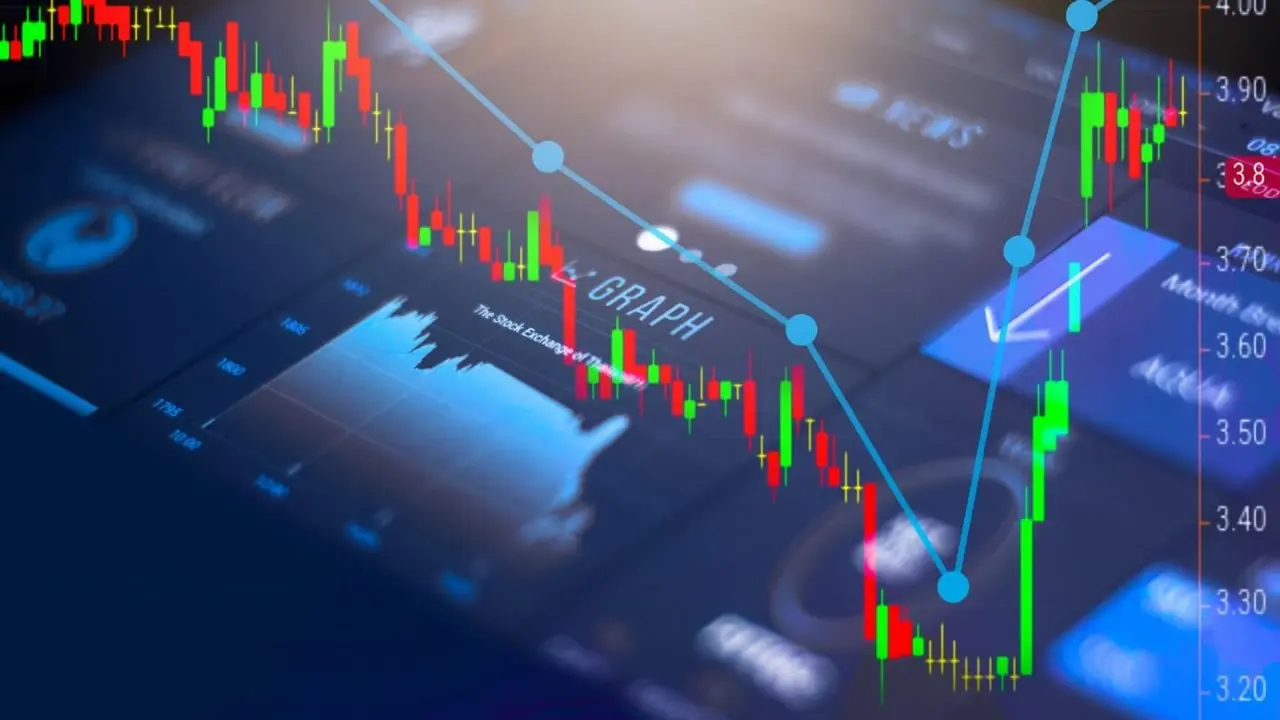
A Solana chart visually represents the price history and movement of the Solana cryptocurrency (SOL) against U.S. Dollars (USD). Typically displayed as a time series graph, it includes various elements such as price points, trading volume, and candlestick patterns, allowing traders to gauge the asset's performance over different time frames. Understanding this graphical representation is essential as it forms the foundation for analyzing market conditions and predicting future price actions.
Why Monitor the Solana Chart?
Monitoring the Solana chart is fundamental for various reasons:
- Identifying Trends: The chart can reveal bullish or bearish trends, helping traders align their strategies accordingly.
- Timing Trades: By analyzing historical data, traders can make more timely decisions on entry and exit points.
- Risk Management: Understanding past price movements assists in establishing more tailored risk management strategies.
- Market Sentiment: Price movements often reflect market psychology; thus, the chart can provide insights into trader sentiment.
Understanding Key Terminology
To effectively use the Solana chart, grasping the key terminologies involved is essential:
- Candlestick: A graphical representation that shows the open, high, low, and close prices within a specific timeframe.
- Support and Resistance Levels: Price points at which an asset tends to reverse its movement, indicating potential buying (support) or selling (resistance) zones.
- Trading Volume: The number of SOL tokens traded within a given time frame, providing insights into market activity and investor interest.
- Moving Averages: A calculation used to analyze data points by creating averages over specific periods which can indicate trends.
Technical Analysis Approaches
Technical analysis involves utilizing past price movements to gather insights about future price actions. Here, we’ll explore how to enhance your analysis of the Solana chart through various techniques.
Reading Candlestick Patterns in the Solana Chart
Candlestick patterns offer powerful insights into market sentiment and can signal potential reversals or continuations. Key patterns to recognize include:
- Doji: Represents indecision in the market, indicating that prices may soon change direction.
- Hammer: Indicates potential bullish reversals, appearing after downtrends.
- Engulfing Patterns: Suggest strong momentum shifts when a large candle engulfs the previous one.
- Shooting Star: Indicates potential bearish reversals after an uptrend.
Understanding these patterns will greatly improve your proficiency in reading the Solana chart, thereby enhancing your trading strategies.
Utilizing Moving Averages for Predictions
Moving averages (MAs) are essential tools for understanding price trends. Key types include:
- Simple Moving Average (SMA): An average of prices over a set period, smoothing out fluctuations and making trends clearer.
- Exponential Moving Average (EMA): Places more weight on recent prices, making it more responsive to new information.
Traders often utilize crossover strategies, where a shorter-term moving average crossing above a longer-term one may indicate a buying opportunity, while a crossover below can indicate a selling opportunity.
Indicators to Enhance Analysis
Technical indicators can bolster your analysis effectiveness. Popular options for Solana chart analysis include:
- Relative Strength Index (RSI): Indicates whether an asset is overbought or oversold, helping to identify potential reversal points.
- Moving Average Convergence Divergence (MACD): A trend-following momentum indicator that shows the relationship between two moving averages of prices.
- Bollinger Bands: These consist of an SMA and two standard deviation lines, useful for assessing volatility and potential price reversals.
Market Trends and Solana Price Movements
The dynamics of cryptocurrency markets can lead to rapid price changes, making it imperative for traders to stay informed about trends and other influential factors affecting Solana's price.
Identifying Bullish and Bearish Trends
Trends in the Solana market can be classified as bullish (upward movement) or bearish (downward movement). Recognizing these trends can guide trading decisions:
- Bullish Trends: Typically characterized by higher highs and higher lows, signaling a favorable buying environment.
- Bearish Trends: Represented by lower highs and lower lows, indicating the potential for market decline and prompting selling considerations.
Impact of News on Solana Chart
News significantly affects cryptocurrency prices. Announcements regarding protocol upgrades, partnerships, or regulatory changes can lead to immediate market reactions. Traders should monitor headlines that may influence market dynamics, as they can result in volatility depicted on the solana chart.
Historical Data Analysis Techniques
Analyzing historical price data is crucial for forecasting future movements. Techniques include backtesting strategies against past performance and observing how price reacted to similar market conditions. Analyzing events like market booms or crashes can provide context for current price movements.
Common Challenges in Chart Analysis
While analyzing charts can be incredibly rewarding, it is not without challenges. Here are a few common obstacles traders face:
Dealing with Market Volatility
Cryptocurrency markets are notorious for their volatility. Traders should be prepared for unexpected price movements, which can often sway dramatically in reaction to market news or sentiment shifts. Employing risk management tactics can help mediate potential losses during these times.
Common Misinterpretations of Solana Chart
Miscalculating trends or misreading signals is common among traders. For example, interpreting a single candlestick without considering its broader context can lead to erroneous trading decisions. Continuous education and practice are essential to avoid falling into these traps.
Tools to Improve Accuracy of Analysis
Utilizing various tools can greatly improve the accuracy of your analysis. Charting software, real-time data feeds, and analytical tools assist traders in gathering insights. Additionally, leveraging automated trading platforms may alleviate emotional trading decisions, specifically during high volatility.
FAQs About Solana Chart
What factors affect the Solana price?
Factors include market demand, technological developments, investor sentiment, regulatory news, and broader cryptocurrency market trends.
How can I use the Solana chart for trading?
Analyze price trends, identify support and resistance levels, monitor candlestick patterns, and apply technical indicators to guide your trading decisions.
Is technical analysis effective for crypto?
Yes, technical analysis can be effective in identifying trends and potential price points. However, it must be supplemented with fundamental analysis and market news.
Where can I find real-time Solana chart data?
Real-time data can be accessed through various cryptocurrency exchanges and financial platforms that provide live charts and market analysis.
What is the best strategy for interpreting charts?
The best strategies include combining multiple analytical techniques, focusing on both short- and long-term trends, and always incorporating risk management principles.