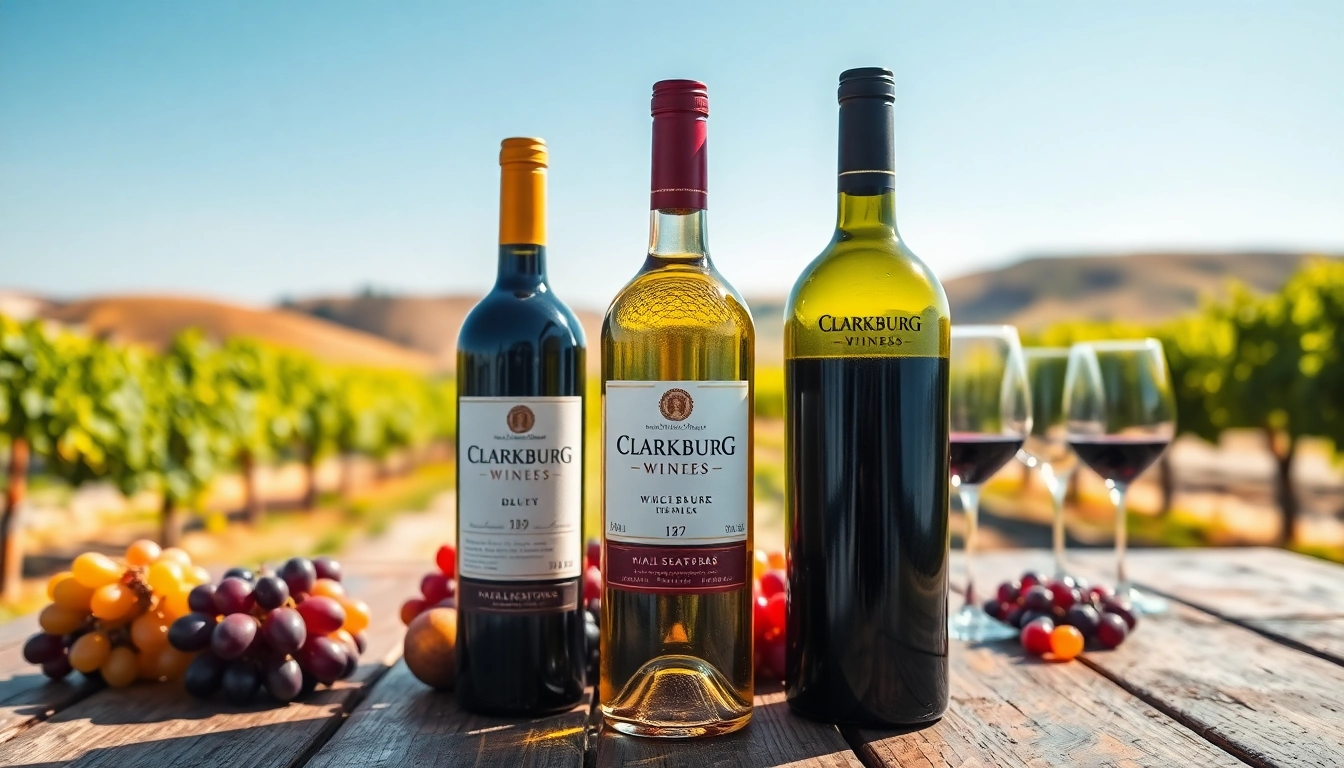
Introduction to Clarksburg Wines
Clarksburg wines are a gem in the heart of California's Sacramento Valley. This charming region has carved a niche for itself with a reputation for producing high-quality wines that embody the unique terroir and climate of the area. As wine enthusiasts seek out lesser-known regions that yield remarkable varietals, Clarksburg has emerged as a must-visit destination for wine lovers. The wines produced here are not only diverse but also showcase a rich history and heritage that dates back to the late 1800s. With a range of varietals available, including popular choices like Chardonnay and Cabernet Sauvignon, Clarksburg wines offer something for every palate.
History and Origins
The history of winemaking in Clarksburg began in the 19th century with the arrival of European settlers who recognized the potential of the region's fertile soil and perfect climate for grape cultivation. One pivotal moment occurred in 1880 when the area saw its first commercial vineyards being established. These early winemakers predominantly focused on traditional European grape varieties, which laid the foundation for what would become a flourishing wine industry. Throughout the 20th century, Clarksburg faced various challenges, including Prohibition, which temporarily halted production. However, the area's resilient winemakers adapted by shifting their focus toward more temperate varietals that could thrive in the local climate. By the late 1980s, Clarksburg was officially recognized as an American Viticultural Area (AVA), which helped to put it on the map for wine lovers across the nation. Today, Clarksburg wines represent more than just a product; they embody the history, passion, and perseverance of the local wine community. Numerous wineries continue to innovate and expand their offerings while paying homage to the traditional techniques that define the region's winemaking heritage.
Notable Varieties
Clarksburg's diverse climate allows for a variety of grape types to flourish. Among the standout varietals produced in this region are: 1. Chardonnay: Known for its versatility, Clarksburg Chardonnay varies in style, offering everything from crisp and fruity to buttery and oaky flavor profiles. 2. Cabernet Sauvignon: With its bold structure and depth, Clarksburg Cabernet Sauvignon is well-regarded for its rich tannins and dark fruit flavors. 3. Sauvignon Blanc: This varietal thrives in the area's cooler climate, delivering bright acidity and herbal notes that make it refreshing and food-friendly. 4. Zinfandel: A staple of California winemaking, Clarksburg Zinfandel showcases ripe berry characteristics with a peppery finish. 5. Viognier: Known for its aromatic qualities, Clarksburg Viognier offers floral and tropical fruit notes, making it a unique offering for white wine lovers. These notable varietals demonstrate the richness and diversity of Clarksburg wines, attracting both connoisseurs and casual drinkers alike.
Climate and Terroir Influence
The terroir of Clarksburg plays a significant role in defining the character of its wines. The region experiences a Mediterranean climate with warm days and cool nights, which is essential for the grapes’ development. The proximity to the Sacramento River moderates temperatures and allows for a longer growing season. This unique microclimate is conducive to producing ripe grapes that maintain a balance of sugar and acidity. Soil composition also contributes to the distinct wines of Clarksburg. The area's soils are primarily alluvial, rich in nutrients, which helps to nourish the vines. Variations in soil types across different vineyards foster the expression of unique terroirs, resulting in wines that reflect the specific characteristics of their origins. Understanding the influence of climate and terroir nuances is essential for appreciating the complexities of Clarksburg wines.
Characteristics of Clarksburg Wines
Clarksburg wines are celebrated not only for their rich history and origin but also for their distinctive qualities. Each varietal has its unique characteristics, reflecting the terroir of the region.
The Flavor Profile
When it comes to flavor profiles, Clarksburg wines are richly diverse and layered. The Chardonnays often showcase a balance of tropical fruits and bright citrus, while the Cabernets display depth with hints of black cherry, plum, and earthy undertones. Sauvignon Blanc from Clarksburg typically features zesty acidity paired with grassy and herbal notes, appealing to those seeking a refreshing sip. In contrast, the Zinfandel produced here reveals an exciting medley of berry flavors complemented by spicy and peppery nuances – making it both complex and enjoyable. For those in search of something aromatic, the Viognier's rich bouquet of floral and stone fruit notes provides an alluring gateway into the wine’s palate. The range of flavor profiles offered by Clarksburg wines ensures that there is something for everyone, whether you are tasting at a vineyard or selecting a bottle for dinner.
Typical Aromas and Tasting Notes
The aromas associated with Clarksburg wines can be equally compelling. Chardonnay may present notes of ripe pear, green apple, and hints of vanilla or toasted oak, depending on its aging process. Cabernet Sauvignon is often rich with aromas of blackcurrant, cedar, and tobacco, invoking an air of sophistication. Sauvignon Blanc frequently reveals fresh-cut grass, citrus zest, and floral undertones that invite exploration. With Zinfandel's characteristic scent profile, tasters can expect aromas of raspberry, black pepper, and a touch of dark chocolate. Lastly, the Viognier often entices with floral fragrances like jasmine, accompanied by hints of apricot and peach, creating an inviting entry into its complex flavor. These aromatic experiences heighten the overall tasting journey, making Clarksburg wines a sensory delight from the moment the cork is popped.
Visual Appearance and Texture
In addition to their flavors and aromas, visual appearance and texture are crucial in evaluating Clarksburg wines. The color of each varietal can offer insights into its aging process and grape characteristics. For instance, a young Chardonnay may exhibit a pale straw color, while an aged version often transitions to a richer golden hue. The red varietals, such as Cabernet Sauvignon and Zinfandel, typically range from deep ruby to garnet, indicating depth and richness. Texture also plays a vital role in the tasting experience. Clarksburg wines often feature a smooth mouthfeel that can vary from crisp and refreshing in whites to velvety and full-bodied in reds. This combination of color and texture adds to the unique character of Clarksburg wines, creating a multi-faceted experience for tasters.
Pairing Clarksburg Wines with Food
Pairing food with Clarksburg wines can elevate the dining experience and enhance the flavors of both the meal and the wine. A thoughtful selection of pairings can highlight the unique characteristics of these wines.
Bestselling Pairings
Some of the most popular pairings with Clarksburg wines include: - Chardonnay: Pairs wonderfully with seafood dishes like grilled salmon or creamy pasta, thanks to its acidity balancing richness. - Cabernet Sauvignon: Complements hearty dishes such as grilled steak, lamb, or robust cheeses, enhancing the wine's complex flavors. - Sauvignon Blanc: Great with light salads, grilled vegetables, or seafood, allowing its fresh acidity to shine through. - Zinfandel: Perfect with barbecue or spicy dishes, as its jammy fruit and peppery notes provide a delightful contrast. - Viognier: Complements Asian cuisine, particularly dishes with coconut milk or spicy flavors, pairing beautifully with aromatic spices. These pairings demonstrate that Clarksburg wines can grace the table with many culinary delights and enrich the overall dining experience.
Regional Dishes to Complement
Exploring regional dishes that pair well with Clarksburg wines can enrich your tasting experience. For instance, the California cuisine that often complements local wines features fresh ingredients, with an emphasis on seasonal produce. Pairing a cold, crisp Sauvignon Blanc with a summer heirloom tomato salad can be a highlight, while a rich Chardonnay shines alongside a buttery lobster dish. If venturing into heartier fare, consider matching a rich Cabernet Sauvignon with classic California-style barbecue or a savory mushroom risotto. Additionally, the region is known for its farm-to-table efforts, meaning dishes made with local meats and vegetables make for perfect companions to Clarksburg wines.
Creating a Perfect Wine Tasting Experience
To craft an unforgettable wine tasting experience featuring Clarksburg wines, consider a few essential tips: 1. Choose the Right Setting: An inviting environment that reflects the aesthetic of the wines, such as a rustic outdoor space or a cozy indoor setting, enhances the experience. 2. Select a Variety of Wines: Offering a range of varietals can provide participants a comprehensive understanding of Clarksburg's offerings. Consider including whites and reds alongside each other. 3. Pair with Complementary Snacks: Light bites and savory snacks that complement the wine can enhance the tasting. Think artisanal cheese plates, charcuterie, or gourmet crackers. 4. Engage Participants: Share notes on each wine's characteristics, the winemakers' stories, and suggestions for food pairings, making the experience educational and enjoyable. 5. Encourage Exploration: Allow guests to take their time, savoring each sip while discussing their impressions, fostering an engaging and communal atmosphere. By following these guidelines, a wine tasting can transform from a simple event to an immersive experience that celebrates the rich flavors of Clarksburg wines.
Buying and Storing Clarksburg Wines
As you explore the world of Clarksburg wines, understanding where to purchase and how to store them is crucial for both casual drinkers and enthusiasts.
Where to Purchase
Clarksburg wines are accessible through various channels. Local wineries often offer tasting rooms where you can sample the wines and purchase directly. Wine retailers within California typically carry selections from well-known and emerging Clarksburg producers. Additionally, online wine shops may provide shipping options, allowing you to enjoy these wines from the comfort of your home. When seeking out Clarksburg wines, consider looking for regional wine festivals or events where many local winemakers showcase their products.
Proper Storage Techniques
Storing Clarksburg wines properly is essential to maintain their quality over time. Here are some key storage tips: 1. Temperature: Store wines at a consistent temperature, ideally between 50°F to 55°F (10°C to 13°C), avoiding extremes of heat and cold. 2. Humidity: Maintain humidity levels around 60% to 70% to keep corks from drying out and allowing oxygen to enter the bottle. 3. Light Protection: Keep wines away from direct sunlight and fluorescent lighting, which can degrade quality. 4. Position: Store bottles horizontally to keep the cork in contact with the wine, preventing it from drying out. Following these guidelines can help ensure your Clarksburg wines remain in optimal condition for enjoyment.
Aging Potential and Recommendations
Understanding the aging potential of Clarksburg wines can enhance your tasting experience. While numerous white wines are best enjoyed young for their vibrant freshness, some Clarksburg varietals, like Cabernet Sauvignon and good Chardonnay, can evolve beautifully over time. When storing wines for aging, consider: - Chardonnay: A good quality Clarksburg Chardonnay can age anywhere from 3-5 years, gaining complexity as it matures. - Cabernet Sauvignon: This varietal can age for 5-12 years, developing more nuanced flavors and aromas over time. - Zinfandel: While enjoyable young, many Zinfandels can benefit from a short aging period, typically best within 2-5 years. - Sauvignon Blanc: Generally, these wines are best enjoyed young, within 1-3 years of bottling. Understanding which wines to cellar can allow enthusiasts to enjoy the full spectrum of what Clarksburg wines have to offer.
FAQs about Clarksburg Wines
What is the climate like in Clarksburg?
Clarksburg boasts a Mediterranean climate with warm days and cool nights, allowing grapes to reach optimal ripeness while preserving acidity.
Are Clarksburg wines organic?
While not all wineries practice organic methods, many producers in Clarksburg are adopting sustainable approaches to viticulture, focusing on lower chemical use.
How should I serve Clarksburg wines?
Serving temperatures vary: whites like Chardonnay and Sauvignon Blanc are best chilled (45-50°F), while reds like Cabernet Sauvignon serve best around 60-65°F.
What occasions are best for Clarksburg wines?
Clarksburg wines suit a variety of occasions, from casual gatherings and picnics to formal dinners and wine tastings, allowing for versatility in enjoyment.
Can Clarksburg wines be aged?
Some Clarksburg wines, particularly reds like Cabernet Sauvignon, can benefit from aging, developing more complex flavors over time, while whites are best enjoyed fresh.