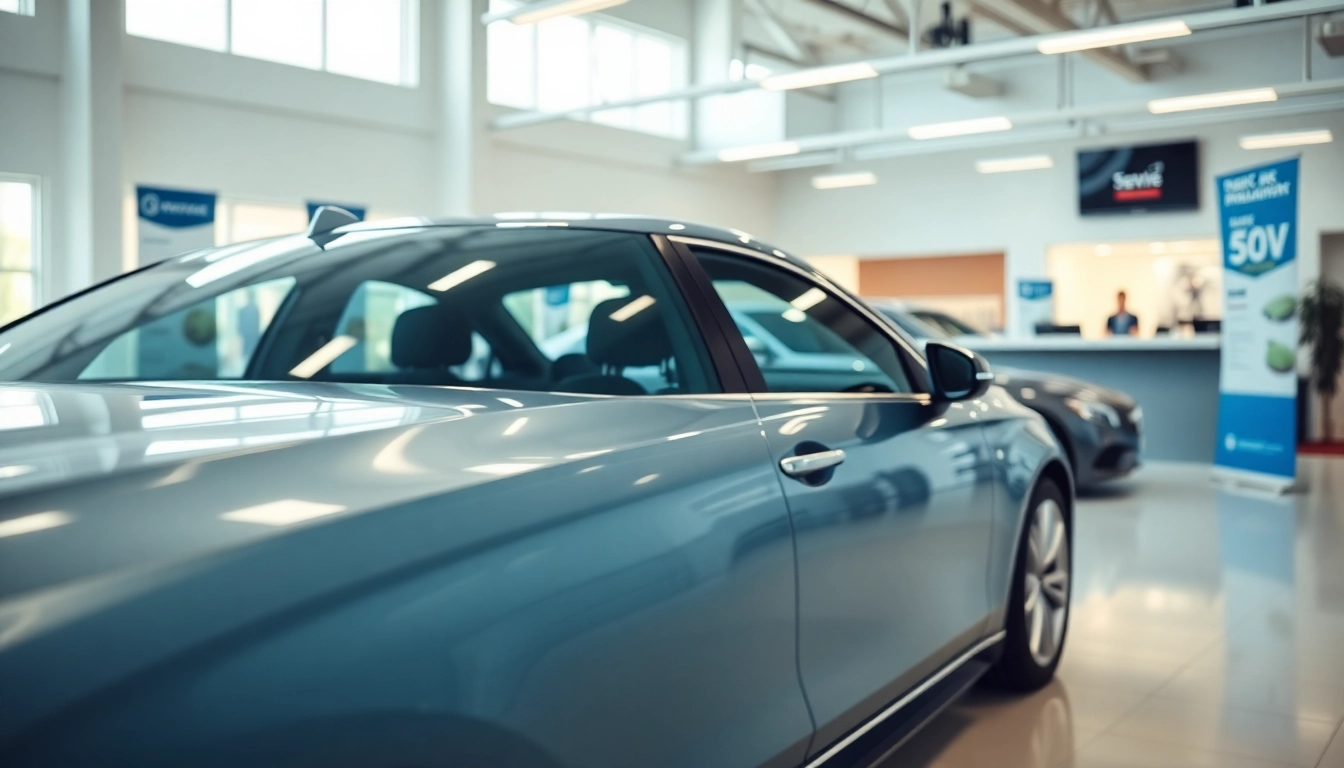
What is a Smog Check?
Definition and Purpose of Smog Check
A Smog Check is a mandatory inspection designed to assess the emissions produced by vehicles to ensure they meet environmental standards. Its primary purpose is to control air pollution by verifying that vehicle emissions do not exceed set limitations. This process plays a critical role in protecting air quality and public health, as vehicles are significant contributors to air pollution, especially in urban areas.
Types of Smog Checks Available
Smog Checks vary by region, often depending on local pollution levels and state regulations. Generally, there are two main types of inspections: tailpipe emissions test and onboard diagnostic (OBD) test. The tailpipe emissions test measures the actual pollutants emitted from the vehicle’s exhaust system, while the OBD test checks the vehicle's computer systems for emission-related faults. Some states may also utilize visual inspections to ensure that components like the catalytic converter are intact.
Importance for Vehicle Owners
For vehicle owners, undergoing a Smog Check is crucial not only for compliance with legal requirements but also for vehicle maintenance. Regular checks can identify potential problems early on, leading to more effective repairs and improved vehicle performance. Additionally, passing a Smog Check is often necessary to register your vehicle or renew its registration in many states. Moreover, eco-conscious drivers can take pride in ensuring their vehicles contribute less to air pollution, thus supporting a greener environment.
How a Smog Check Works
The Inspection Process Explained
The process begins with scheduling an appointment at a licensed inspection station. Upon arrival, you'll typically need to provide your vehicle registration and pay a fee. Afterward, a technician will conduct the inspection, which may involve connecting the vehicle to diagnostic equipment and analyzing emissions produced during idling and acceleration. The results are then compared to emission standards set by local authorities.
What Equipment is Used?
Modern Smog Checks utilize advanced equipment to ensure comprehensive assessments. Common tools include gas analyzers that measure pollutants such as hydrocarbons, carbon monoxide, and nitrogen oxides emitted from the exhaust. Additionally, an OBD scanner is employed to check if the vehicle's onboard computer indicates any malfunctioning emission control systems. This ensures a thorough evaluation of the vehicle’s overall emissions performance.
Understanding Emissions Standards
Emissions standards vary by state and are based on regulations enforced by the Environmental Protection Agency (EPA) and local authorities. These standards dictate the maximum allowable levels of harmful pollutants that vehicles can emit. Understanding and adhering to these standards is crucial, as failure to comply can result in fines or restrictions on vehicle registration.
Common Reasons for Failing a Smog Check
Top Mechanical Issues to Watch For
There are several reasons a vehicle may fail a Smog Check, with the most common mechanical issues including:
- Faulty oxygen sensors: Inefficient sensors can lead to improper fuel mixture, increasing emissions.
- Malfunctioning catalytic converters: These components must work effectively to reduce harmful emissions.
- Check Engine light activation: If this light is lit, the vehicle may have critical issues affecting emissions.
- Leaky vacuum hoses: These can lead to incorrect air/fuel ratios, creating higher emissions.
How Maintenance Affects Smog Checks
Regular vehicle maintenance significantly impacts Smog Check outcomes. Tasks like replacing spark plugs, maintaining proper tire pressure, and using the recommended fuel type can enhance performance and minimize emissions. Furthermore, having a well-tuned engine not only increases fuel efficiency but also ensures that emissions remain within acceptable levels.
Steps to Take If You Fail
If your vehicle fails a Smog Check, don’t panic. First, obtain a detailed report from the inspection station, which will highlight the failure reasons. Next, consult a qualified mechanic to address these issues. Once repairs are made, re-test the vehicle to ensure compliance with emissions regulations. Some states allow for emissions repair assistance programs that can provide financial assistance for necessary repairs.
Smog Check Regulations Across States
Variations in Requirements Nationwide
Smog Check regulations differ significantly across states, influenced by state-size population density, geographic locations, and specific pollution levels. For example, California has stringent regulations requiring annual inspections, while other states may only require biennial checks or none at all. It’s essential for vehicle owners to check their state’s specific requirements to remain compliant.
What to Expect When Moving States
If you move to a different state, it’s crucial to familiarize yourself with that state’s Smog Check regulations. You may find differences in inspection frequency, fees, and required tests. Additionally, certain states might have exemptions for newer vehicles or hybrids. It’s advisable to consult the local Department of Motor Vehicles (DMV) for accurate guidance.
The Role of State Authorities
State authorities play a critical role in implementing and enforcing Smog Check regulations. They establish emission standards, set test procedures, and oversee the licensing of inspection stations. Authorities also engage in public awareness campaigns to educate drivers on the importance of vehicle emissions control and the environmental impact of failing to maintain required standards.
Frequently Asked Questions About Smog Check
How Often Should I Get a Smog Check?
The frequency of Smog Checks varies by state; some require them annually, while others may require them every two years. Always check local regulations to ensure compliance.
What to Bring for a Smog Check Appointment?
Before attending a Smog Check, bring your vehicle’s registration, form of payment, and any necessary identification. If your vehicle has previously failed, bring documentation of repairs made.
Are Smog Checks Required for All Vehicles?
No, not all vehicles require Smog Checks. Some states offer exemptions for newer vehicles or certain vehicle types, such as electric cars or hybrids. Check the regulations for your area.
What Happens if My Car Doesn't Pass?
If your car fails a Smog Check, the inspection station will inform you of the specific issues to address. You can then have repairs made and return for a re-test.
How Can I Prepare My Car for Smog Check?
To prepare your car, ensure regular maintenance is completed, such as oil changes and replacing air filters. Check for warning lights, and consider taking your vehicle for a pre-inspection to catch any issues early.
For more information and resources on maintaining compliance with local emissions standards, refer to Smog Check. This site provides essential guidance and links to relevant state resources.