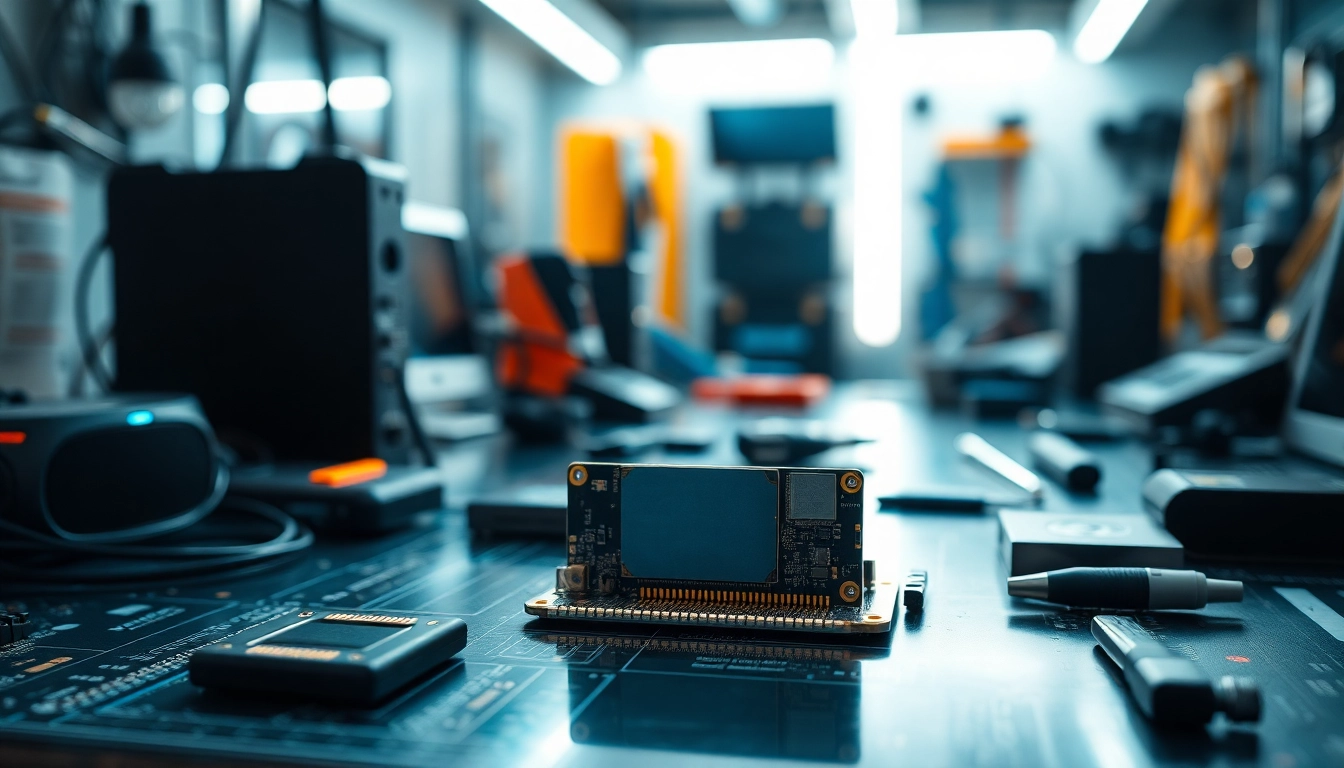
Introduction to Bluetooth Modules
Bluetooth technology has revolutionized the way we connect devices wirelessly. Among its key components are the Bluetooth modules, which facilitate seamless communication between electronic devices. Understanding what Bluetooth modules are and how they work is essential for anyone looking to implement wireless solutions in their projects. This article aims to provide insights into Bluetooth modules, their types, applications, installation processes, and future trends in Bluetooth technology.
What is a Bluetooth Module?
A Bluetooth module is a compact hardware component that enables devices to communicate wirelessly using Bluetooth technology. Typically incorporating a Bluetooth radio, an embedded microcontroller, and necessary firmware, these modules are designed for ease of integration into a wide range of devices. They allow for data transfer, audio streaming, and command signals between devices, thus enhancing the end user’s experience and the capabilities of electronic systems.
How Bluetooth Modules Work
Bluetooth modules operate based on a peer-to-peer networking technology that connects devices within a limited range, usually up to 100 meters (328 feet) depending on the class of the Bluetooth technology used. They utilize radio frequency to send and receive data, employing a protocol stack that manages the connections and data exchange process. The key operating principles include:
- Pairing: Devices must be paired before they can communicate, ensuring security and smooth functionality.
- Profile Support: Different profiles define specific functionalities, e.g., audio transmission, data communication, and use in peripheral devices.
- Low Energy Mode: Many Bluetooth modules support low energy (BLE), allowing for longer battery life in portable devices.
Key Benefits of Using Bluetooth Modules
The integration of Bluetooth modules into devices offers numerous advantages, such as:
- Wireless Communication: Eliminates the need for cables, reducing clutter and enhancing mobility.
- Cost-effective: Typically inexpensive and easy to integrate, making them ideal for a variety of applications.
- Versatility: Suitable for a range of industries from consumer electronics to healthcare and industrial automation.
- Scalability: Easily adaptable to different applications, whether upgrading existing systems or building new devices.
Types of Bluetooth Modules
Classifications by Range and Power
Bluetooth modules can be classified into different categories based on their range and power consumption. The classes include:
- Class 1: Offers a maximum range of about 100 meters and is commonly used in industrial applications.
- Class 2: The most widely used type, with a range of approximately 10 meters, suitable for most consumer electronics.
- Class 3: Provides a short-range connection typically under 10 meters, often utilized in devices with minimal connectivity requirements.
Embedded vs. External Bluetooth Modules
Bluetooth modules can also be categorized based on their physical configuration:
- Embedded Bluetooth Modules: Integrated directly into devices, offering a compact solution, ideal for small electronic devices, such as wearables and sensors.
- External Bluetooth Modules: Standalone units that can connect to devices through USB or serial interfaces, allowing for easy upgrades or additions to existing systems.
Choosing the Right Module for Your Project
When selecting a Bluetooth module for a project, consider the following factors:
- Power Requirements: Choose a module that matches the power availability of your device.
- Communication Range: Assess the range needed for your application to ensure effective connectivity.
- Data Rate: Evaluate the data transfer speed requirements based on the application’s needs.
- Size and Form Factor: Ensure the module can be accommodated within the physical limitations of your project.
Applications of Bluetooth Modules
Bluetooth Modules in Consumer Electronics
Consumer electronics have widely adopted Bluetooth modules, enhancing user experiences in devices such as:
- Smartphones: Integrating Bluetooth for hands-free operation, music streaming, and file transfers.
- Headphones: Wireless headphones benefit from Bluetooth technology by offering freedom from cables.
- Smart TVs and Game Consoles: Allowing remote control operations and content sharing with other devices.
Industrial Applications of Bluetooth Modules
In industrial settings, Bluetooth modules play a significant role in enhancing operational efficiency and safety:
- Automation: Used in automated manufacturing environments for machine-to-machine (M2M) communication.
- Asset Tracking: Bluetooth technology supports the tracking of equipment and inventory locations, streamlining supply chain processes.
- Remote Monitoring: Devices can be monitored in real-time, providing critical data for maintenance management.
Innovative Uses in Smart Home Devices
The smart home industry has become a melting pot for innovative applications of Bluetooth technology:
- Smart Thermostats: Automate energy management based on occupancy and preference using Bluetooth connectivity.
- Smart Locks: Enable keyless entry systems that can be controlled via smartphones.
- Home Security Systems: Utilize Bluetooth for communication with sensors and cameras, ensuring comprehensive security solutions.
Installation and Integration of Bluetooth Modules
Steps for Proper Installation
Installing a Bluetooth module requires careful planning and execution:
- Component Selection: Choose the appropriate Bluetooth module for your project requirements.
- Hardware Connection: Connect the module to the motherboard or microcontroller of your device, ensuring proper signal integrity.
- Software Configuration: Configure firmware settings for optimal performance concerning the intended application.
- Testing: Conduct thorough testing for functionality and connectivity to identify any issues prior to full deployment.
Integrating Bluetooth Modules in Existing Systems
Integrating Bluetooth modules into existing systems can be challenging but rewarding. Follow these guidelines:
- Assessment: Evaluate current systems for compatibility with Bluetooth modules.
- Interface Protocols: Ensure that the communication protocols between old and new systems are compatible.
- Documentation: Maintain detailed records of the integration process to facilitate maintenance and future upgrades.
Common Challenges and Troubleshooting Tips
Implementing Bluetooth technology isn't without challenges. Here are common issues and how to troubleshoot them:
- Connection Drops: Check for interference from other devices and update firmware if necessary.
- Range Limitations: Ensure the module is positioned optimally and that there are minimal obstacles.
- Installation Errors: Verify wiring and connections to ensure that the module is correctly integrated into the system.
Future Trends in Bluetooth Technology
Advancements in Bluetooth Module Technology
As technology evolves, Bluetooth modules are also expected to progress significantly. Key advancements may include:
- Increased Data Transfer Rates: The introduction of Bluetooth 5.0 and beyond offers faster speeds and improved reliability.
- Enhanced Security Features: Future modules will likely incorporate more robust encryption and authentication mechanisms.
- Greater Energy Efficiency: Innovations focused on low power consumption will enhance battery life in devices.
Impact on IoT and Smart Devices
The Internet of Things (IoT) is rapidly expanding, leveraging Bluetooth technology for seamless connectivity among devices:
- Device Interoperability: Bluetooth's ability to facilitate communication among diverse devices boosts IoT functionality.
- Data Sharing: Improved capabilities for data exchange in smart ecosystems will enhance decision-making processes.
- Remote Management: Bluetooth will continue to enable remote access and control for IoT applications, streamlining operations.
Predictions for Bluetooth Technology Evolution
As we look ahead, several predictions can be made about the evolution of Bluetooth technology:
- Widespread Adoption: An increasing number of devices will incorporate Bluetooth capabilities, further embedding it into everyday life.
- Integration with AI: The merging of AI with Bluetooth technologies could lead to smarter and more intuitive devices.
- Emerging Standards: New standards may be developed to accommodate future innovations, particularly in data security and connectivity protocols.