The Importance of Hardscapes in Landscaping
Understanding Hardscapes and Their Functions
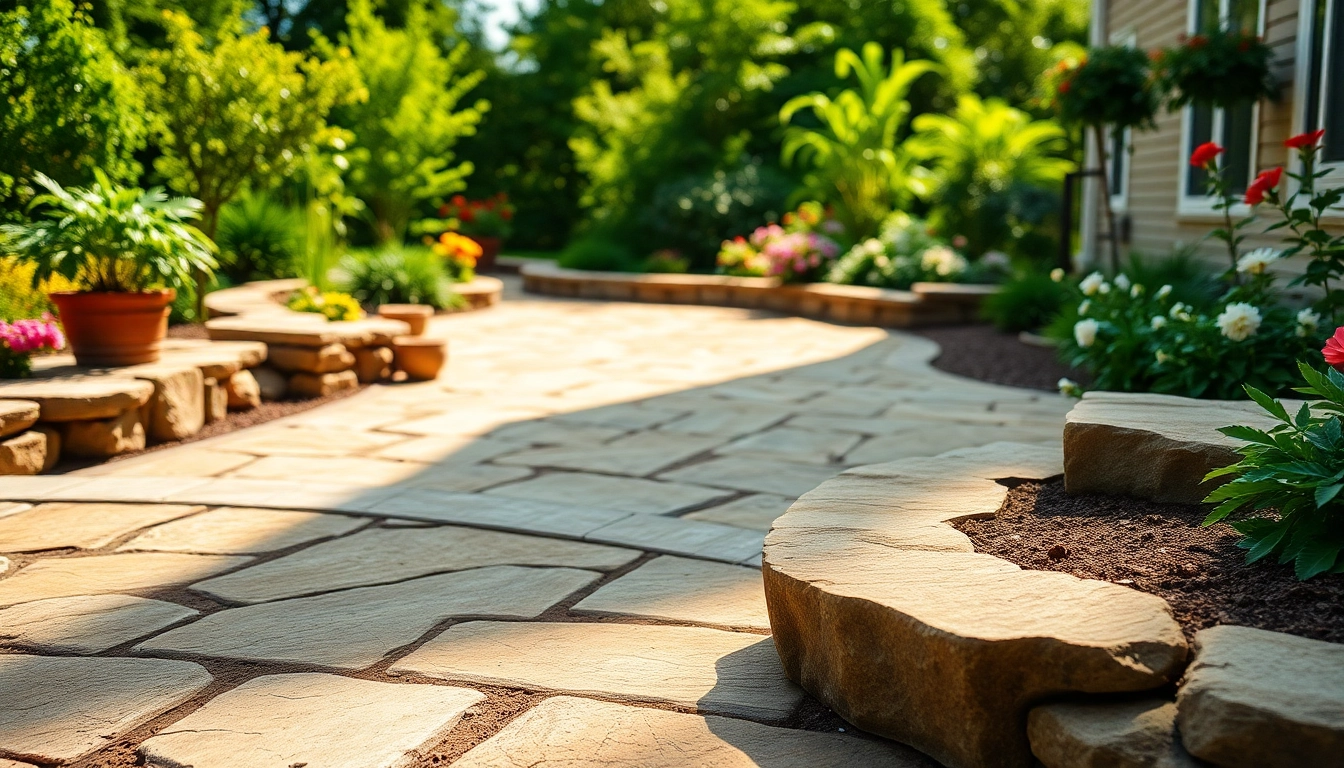
Hardscapes are the non-plant elements of landscaping that provide structure and functionality to outdoor spaces. They encompass a range of features such as patios, walkways, retaining walls, and driveways, enhancing both aesthetic appeal and utility. When integrated thoughtfully, hardscapes can greatly improve the usability of outdoor areas, serving as foundational elements that support various activities, from entertaining guests to creating safe pathways around your property. As more homeowners recognize the role of hardscapes in landscaping, incorporating them into designs has become essential for achieving both beauty and functionality in gardens and yards. These features provide definition to spaces, often dictating how individuals interact with their outdoor environments.
Types of Hardscapes: Materials and Choices
Hardscapes can be constructed from a variety of materials, each offering distinct characteristics and advantages. Common materials include concrete, brick, stone, and pavers, each serving different design purposes. For instance, concrete is often favored for its durability and versatility, making it suitable for driveways and patios. Natural stone, on the other hand, brings an organic feel to landscapes, ideal for walls and pathways. Hardscapes can also be designed to match existing structures, providing seamless integration into the overall design aesthetic of the home and surrounding landscape. The choice of material directly impacts maintenance requirements, longevity, and the overall look of the hardscape.
Benefits of Incorporating Hardscapes
The incorporation of hardscapes into landscape designs offers numerous benefits. Firstly, they enhance property value by adding functional spaces that appeal to potential buyers. Secondly, they reduce erosion and manage water drainage effectively, minimizing flood risks around homes. Hardscapes also require less maintenance than traditional landscaping while providing year-round usability. Furthermore, they can enhance the beauty of the outdoor area, complementing plant life and creating visually engaging contrasts and layouts. By strategically choosing your hardscapes, you can create an inviting atmosphere that encourages outdoor living.
Designing Your Hardscape Layout
Planning Your Outdoor Space Effectively
When planning your outdoor space, it’s crucial to assess the site’s natural features and potential uses. Begin by determining the primary functions you want your hardscape to serve. Consider accessibility, flow, and the surrounding landscape elements. Create a rough sketch, identifying where hardscapes will interact with softscapes (i.e., plants and grass). This blueprint serves as a guide, enabling you to visualize how various elements coexist. Incorporate features such as seating areas and pathways to direct foot traffic, facilitating easy movement throughout your space.
Common Design Styles for Hardscapes
Hardscape designs can range from contemporary to traditional styles, each offering unique visual appeals. In contemporary designs, clean lines and geometric shapes dominate, often using materials like concrete and glass. Traditional styles, however, may incorporate rustic stones and irregular shapes, promoting a more organic feel. Additionally, Mediterranean and Zen styles focus on harmony with nature, utilizing earthy tones and natural materials. Selecting a style that complements your home architecture while aligning with your personal preferences is key to a successful hardscape design.
Key Considerations for Landscape Integration
Integrating hardscapes with softscapes requires thoughtful consideration. Ensure that the materials chosen for hardscapes complement the plant selection to create visual harmony. For example, a monochromatic stone pathway can enhance vibrant flower beds, while the right color of paving can reflect backyard furniture or features. Additionally, consider the environmental impact. Opt for permeable materials that allow water to penetrate the ground, reducing runoff. Always remember to maintain an adequate balance of hardscape and green space, as a dynamic relationship between the two can enhance overall aesthetic appeal and ecological functionality.
Installation Best Practices for Hardscapes
Essential Tools and Materials
Before commencing the installation of hardscapes, it's essential to gather all necessary tools and materials. Some key tools include shovels, levels, trowels, and compactors. Depending on the project scale, additional equipment like saws or masonry tools may be required. The materials will vary based on design and personal preferences but commonly include block pavers, gravel, and landscape fabric to prevent soil erosion. Gathering quality materials and tools enhances efficiency and ensures a polished final look.
Step-by-Step Installation Guide
1. Planning: Start with a detailed layout, marking the area where hardscapes will be installed. 2. Excavation: Clear the area, removing sod and debris to the required depth. 3. Base Preparation: Lay a sturdy foundation with gravel or sand for stability. 4. Setting the Hardscape: Begin laying your chosen material, ensuring even spacing and alignment. 5. Compaction and Finishing: Compact the surfaces as you work to eliminate gaps and imperfections. Finally, add edging to secure the hardscape and apply sand between joints for added stability.
Tips for Hiring Professional Help
If DIY installation seems daunting, consider hiring professionals. Start by researching local contractors and reviewing their portfolios. Ask for references from past clients and inquire about their experience with specific materials. Get multiple quotes to ensure transparency in pricing. Clear communication of your vision and expectations will help the contractor deliver results that meet your standards. Always review contracts thoroughly before signing to eliminate surprises.
Maintaining Your Hardscapes Over Time
Seasonal Maintenance Tips
Maintaining hardscapes is essential for longevity and aesthetic appeal. During the fall, clear leaves and debris to prevent stains and algae buildup. In winter, use non-corrosive materials for ice melt to protect surfaces. Eventual power washing in spring helps eliminate grime and moss. Regularly inspect for cracks or loose pavers and address them promptly to prevent larger issues. Seasonal maintenance routines can dramatically extend the life of your hardscapes.
Addressing Common Hardscape Issues
Dealing with common hardscape issues like cracks or uneven surfaces can seem challenging. For cracks, fill with a suitable patching compound, ensuring that it matches your hardscape material. If pavers become uneven, lift them carefully, add or remove base material as needed, and reset them to ensure level surfaces. Keeping a close eye on these issues will help prevent larger problems down the line, ensuring your hardscapes perform as expected.
Enhancing Durability and Longevity
To maximize the durability of hardscapes, consider sealers that protect against stains, moisture, and weather wear. Regularly maintain joints of pavers by re-sanding to prevent weed growth and erosion. Choosing the right materials for your climate plays a vital role; for instance, concrete must often be mixed with additives in severe cold environments. Ultimately, proactive maintenance and care will enhance the longevity of your hardscape investment.
Innovative Ideas for Unique Hardscape Features
Incorporating Water Features
Water features add a dynamic element to hardscapes, offering both visual appeal and soothing sounds. Options range from simple fountains to elaborate ponds. When designing a water feature, consider how it will integrate with existing hardscape elements, ensuring accessibility and visibility. Proper plumbing and maintenance are essential to keep water features clean and functioning smoothly. Not only do they create a tranquil space, but they also attract wildlife, enriching your garden's ecosystem.
Using Lighting to Elevate Hardscapes
Effective lighting can enhance the beauty and safety of hardscapes during nighttime. Consider installing path lighting to guide guests along walkways, or accent lights focused on unique hardscape features. Low-voltage LED options offer energy efficiency, reducing running costs while creating atmospheres that highlight outdoor spaces beautifully. Strategic placement of lights ensures soft illumination without overwhelming the natural beauty of your landscape.
Trendy Hardscape Additions for Modern Spaces
Incorporating unique, trendy features into hardscapes keeps outdoor spaces current and engaging. For example, fire pits have become increasingly popular, offering an inviting gathering space. Raised garden beds, integrated seating, and outdoor kitchens are also considerate additions that bolster functionality. Explore unique textures or patterns in paving that add visual interest. Ultimately, design should reflect personal style while melding with the overall environment.
FAQs about Hardscapes
What are the most common materials used for hardscapes?
The most common materials include concrete, brick, natural stone, and pavers. Each offers distinct advantages in durability and aesthetics.
How do hardscapes affect drainage?
Properly designed hardscapes can improve drainage by redirecting water away from structures and preventing erosion, enhancing site runoff management.
What is the average cost of installing hardscapes?
Costs vary widely based on materials and complexity but typically range from $15 to $30 per square foot for installation.
How often should hardscapes be maintained?
Regular cleaning and inspection should be done seasonally, while more extensive maintenance can occur annually to address any wear or damage.
Can I install hardscapes myself?
While many homeowners can successfully install hardscapes, complex projects may require professional assistance for proper installation and longevity.