
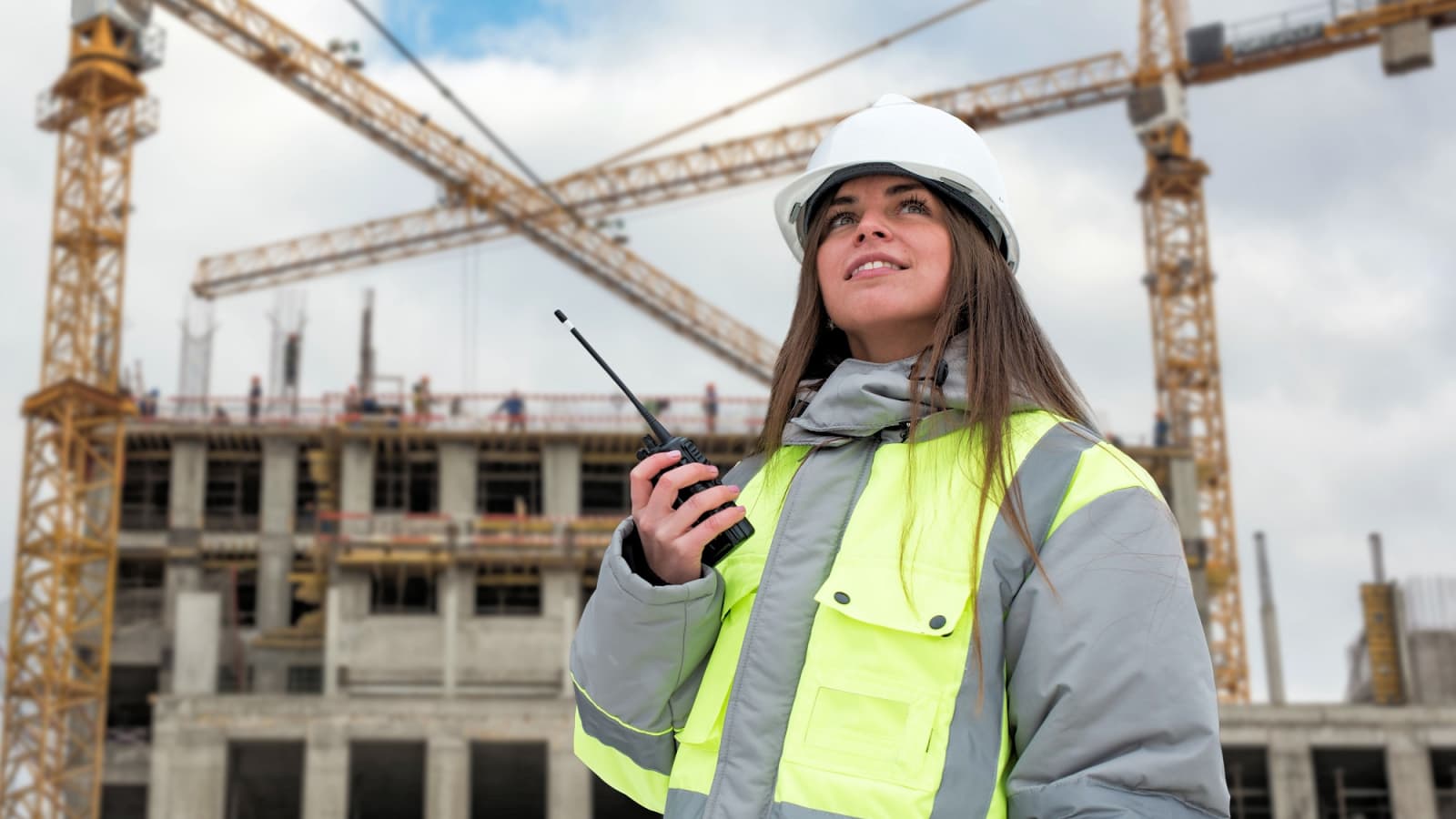
As industries evolve, the demand for sustainable and eco-friendly construction solutions has grown significantly. One area experiencing significant innovation is Commercial Concrete, where modern techniques and materials enhance durability, performance, and environmental responsibility. At Randahl Construction, we integrate sustainable practices into our commercial concrete projects, providing industrial and commercial facilities with high-quality, durable, and environmentally conscious solutions. This article explores sustainable innovations in commercial concrete, their benefits, and how they are transforming modern industrial construction.
Understanding Sustainability in Commercial Concrete
What Is Sustainable Commercial Concrete?
Sustainable commercial concrete refers to concrete solutions that reduce environmental impact without compromising performance. This includes low-carbon mixes, recycled materials, energy-efficient production methods, and innovative curing techniques. Sustainable concrete ensures that industrial projects are both durable and environmentally responsible.
Importance for Industrial and Commercial Projects
Industrial facilities often require large volumes of commercial concrete for foundations, machine pads, floors, and structural elements. Implementing sustainable innovations reduces carbon footprint, lowers energy consumption, and aligns with environmental standards while maintaining the strength and durability needed for heavy industrial operations.
Key Sustainable Innovations in Commercial Concrete
1. Low-Carbon Concrete Mixes
Low-carbon commercial concrete incorporates materials like fly ash, slag, or silica fume to replace a portion of traditional Portland cement. These mixes reduce CO2 emissions while maintaining structural performance and durability.
2. Recycled Aggregates
Using recycled concrete or industrial by-products as aggregate reduces the demand for natural resources. Recycled aggregates in commercial concrete maintain strength and durability while promoting a circular construction economy.
3. High-Performance Concrete
High-performance commercial concrete combines optimized mix designs, admixtures, and reinforcement techniques. These mixes provide increased strength, faster curing, and longer lifespan, reducing the need for repairs and minimizing environmental impact over time.
4. Fiber-Reinforced Concrete
Fiber-reinforced commercial concrete reduces cracking and improves durability, extending the lifespan of floors, slabs, and machine pads. By decreasing maintenance requirements and reducing material waste, fiber reinforcement contributes to sustainability.
5. Energy-Efficient Production
Modern concrete production methods focus on reducing energy consumption and emissions. Pre-mixed concrete, efficient batching, and local sourcing of materials help decrease the overall environmental impact of commercial concrete projects.
6. Innovative Curing Techniques
Sustainable curing methods, including moisture-retaining covers and optimized temperature control, minimize energy use while ensuring that commercial concrete reaches full strength and durability.
Benefits of Sustainable Commercial Concrete
Environmental Responsibility
Sustainable commercial concrete reduces carbon emissions, conserves natural resources, and promotes recycling, contributing to greener industrial construction practices.
Long-Term Durability
Innovative materials and techniques increase the lifespan of commercial concrete, reducing the need for frequent repairs or replacements and conserving resources over the building’s lifetime.
Cost Efficiency
Although some sustainable materials may have higher upfront costs, long-term savings result from reduced maintenance, increased durability, and energy-efficient production methods.
Compliance with Green Building Standards
Modern industrial projects often aim for LEED or other green building certifications. Using sustainable commercial concrete helps meet these requirements while supporting environmental goals.
Applications of Sustainable Commercial Concrete
Industrial Floor Slabs
High-performance, fiber-reinforced concrete floors offer durability, resistance to heavy machinery, and reduced maintenance, making them ideal for sustainable industrial facilities.
Machine Pads and Equipment Foundations
Sustainable concrete solutions provide stable, long-lasting foundations for industrial equipment, reducing resource use and supporting eco-friendly operational practices.
Structural Walls and Foundations
Low-carbon and recycled aggregate concrete ensure that load-bearing walls and foundations are both durable and environmentally responsible, supporting sustainable industrial construction projects.
Sidewalks, Ramps, and Exterior Surfaces
Even exterior surfaces benefit from sustainable commercial concrete, offering durability, reduced environmental impact, and long-term performance for loading areas, ramps, and pedestrian pathways.
Innovations Driving Sustainable Commercial Concrete Projects
Smart Mix Designs
Advanced computer modeling and material science allow contractors to create optimized concrete mixes that balance performance, cost, and sustainability for each project.
Carbon-Capture Technologies
Emerging technologies capture CO2 during concrete production or curing, significantly reducing the carbon footprint of commercial concrete used in industrial facilities.
Waste Material Utilization
By incorporating by-products from other industries, sustainable concrete reduces landfill waste and conserves natural resources, aligning with circular economy principles.
Energy-Efficient Site Practices
Randahl Construction integrates efficient batching, reduced transportation distances, and controlled curing methods to minimize energy consumption and emissions during commercial concrete projects.
Why Randahl Construction Excels in Sustainable Commercial Concrete
Randahl Construction brings decades of experience delivering commercial concrete solutions that are durable, precise, and environmentally responsible. Our expertise ensures that industrial and commercial facilities benefit from high-quality, sustainable concrete that meets operational, structural, and environmental requirements.
Our services include:
- Custom low-carbon and high-performance concrete mix designs
- Fiber-reinforced and recycled aggregate concrete solutions
- Efficient, sustainable curing techniques
- Industrial floor slabs, machine pads, foundations, and structural walls
- Compliance with environmental and green building standards
By partnering with Randahl Construction, facility owners can implement sustainable commercial concrete solutions that deliver long-term durability, operational efficiency, and environmental responsibility.
Conclusion
Sustainable innovations in commercial concrete are transforming modern industrial construction. Low-carbon mixes, recycled aggregates, fiber reinforcement, and energy-efficient practices ensure that commercial concrete is durable, environmentally friendly, and cost-effective. Randahl Construction’s expertise in sustainable concrete solutions allows industrial facilities to achieve operational excellence while minimizing environmental impact. Investing in sustainable commercial concrete today supports resilient, long-lasting, and eco-conscious industrial projects for years to come.