
Understanding the Importance of Basement Waterproofing
Basement waterproofing is essential for every homeowner who wants to protect their property from water damage. Moisture in the basement can lead to structural issues, mold growth, and a decrease in indoor air quality. By investing in effective basement waterproofing techniques, you ensure your home remains safe, dry, and comfortable throughout the year. Proper waterproofing also helps maintain the value of your property and prevents costly repairs caused by prolonged water exposure.
Common Causes of Basement Moisture
Before implementing basement waterproofing strategies, it’s important to understand the sources of moisture. Common causes include:
Groundwater Seepage
Groundwater can penetrate basement walls through cracks or porous materials, making effective waterproofing critical.
Poor Drainage
Inadequate exterior drainage around the foundation allows rainwater to pool near your home, increasing the risk of basement flooding.
Plumbing Leaks
Old or damaged pipes can leak, contributing to moisture buildup in the basement.
Condensation
Basements are naturally cooler than the rest of the house, which can cause condensation on walls and floors if humidity is not properly controlled.
Understanding these causes helps homeowners tailor their basement waterproofing approach to prevent moisture from entering and causing damage.
Exterior Basement Waterproofing Techniques
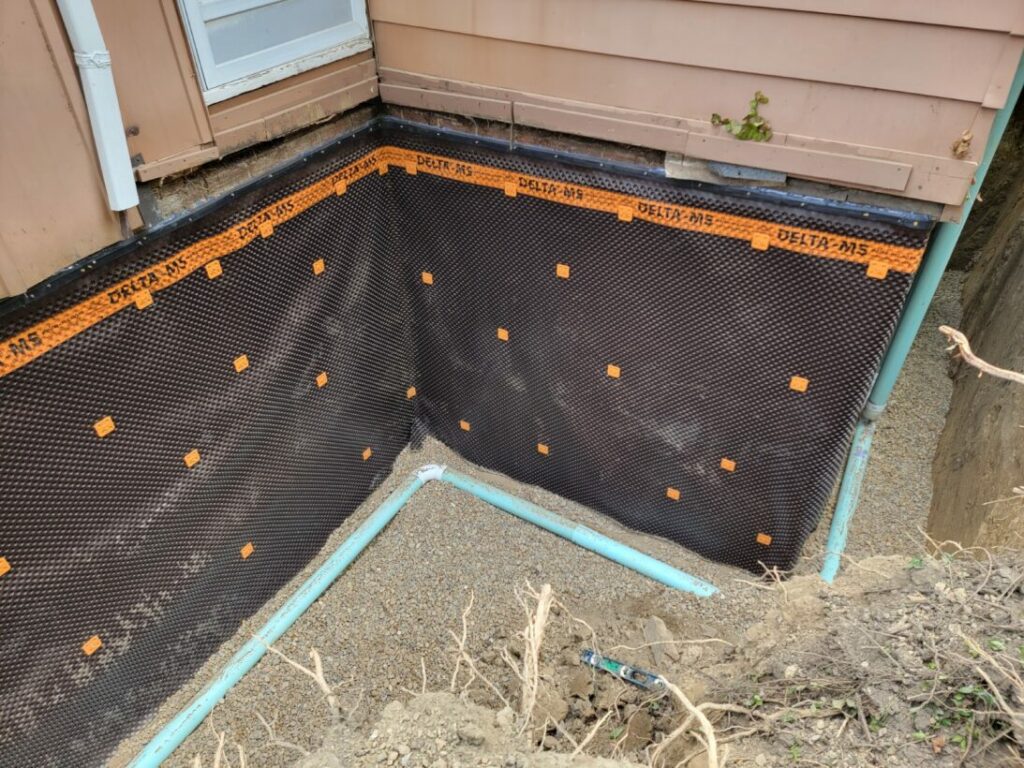
Exterior basement waterproofing is one of the most effective methods to prevent water infiltration. It involves applying waterproof coatings or membranes on the outside of basement walls and installing drainage systems.
Waterproof Coatings and Membranes
Applying exterior waterproof coatings or membranes prevents water from penetrating the foundation walls. These materials act as a barrier, keeping moisture out and protecting the structural integrity of the basement.
Exterior Drainage Systems
Installing exterior drainage systems, such as French drains or perimeter drains, channels water away from the foundation. These systems reduce the hydrostatic pressure against your basement walls, a key factor in preventing leaks.
Interior Basement Waterproofing Solutions
Interior basement waterproofing is a practical solution when exterior work is not feasible or when additional protection is desired.
Sump Pumps
A sump pump helps remove water that enters the basement, preventing flooding and moisture accumulation. Regular maintenance ensures it functions efficiently during heavy rainfall or snowmelt.
Interior Drainage Systems
Interior drainage systems, such as channel drains installed along the perimeter, collect water and direct it to a sump pump. This method is effective in managing minor leaks and groundwater infiltration.
Sealants and Coatings
Applying waterproof sealants on interior walls and floors can help reduce moisture penetration. These coatings work best in combination with other interior waterproofing measures for comprehensive protection.
Managing Basement Humidity
Controlling humidity is a crucial aspect of long-term basement waterproofing. Excess moisture in the air can lead to mold growth and damage to stored items.
Dehumidifiers
Using a dehumidifier helps maintain optimal humidity levels, reducing condensation and mold risk. For long-term moisture control, choose a unit sized appropriately for your basement space.
Proper Ventilation
Ensuring adequate ventilation in your basement allows moisture to escape naturally. This includes opening windows when possible and using exhaust fans in finished basements or laundry areas.
Insulation and Vapor Barriers
Installing insulation with vapor barriers on walls and floors prevents condensation and improves energy efficiency. Proper insulation supports your overall basement waterproofing strategy.
Regular Maintenance for Effective Basement Waterproofing
Long-term moisture control requires consistent maintenance. Inspect your basement regularly for cracks, water stains, or signs of mold. Clean gutters and downspouts to ensure water flows away from your foundation. Additionally, test sump pumps and drainage systems periodically to confirm they are functioning properly. Proactive maintenance enhances the effectiveness of your basement waterproofing measures and prevents minor issues from turning into major problems.
Choosing Professional Basement Waterproofing Services
While some basement waterproofing solutions can be implemented by homeowners, professional services provide expertise and long-term reliability. Experts can assess your home’s unique needs, identify potential weak points, and install systems that guarantee optimal protection. Hiring licensed and experienced professionals ensures that every aspect of basement waterproofing, from exterior membranes to interior drainage, is done correctly for lasting results.
Conclusion
Reliable basement waterproofing is essential for protecting your home from moisture damage and maintaining a safe, healthy living environment. By understanding the causes of basement moisture, implementing exterior and interior waterproofing techniques, managing humidity, and performing regular maintenance, homeowners can achieve long-term moisture control. Whether you choose to tackle some tasks yourself or hire professional services, prioritizing basement waterproofing will save you money, prevent damage, and enhance the comfort and value of your home. Investing in these solutions today ensures a dry, secure basement for years to come.