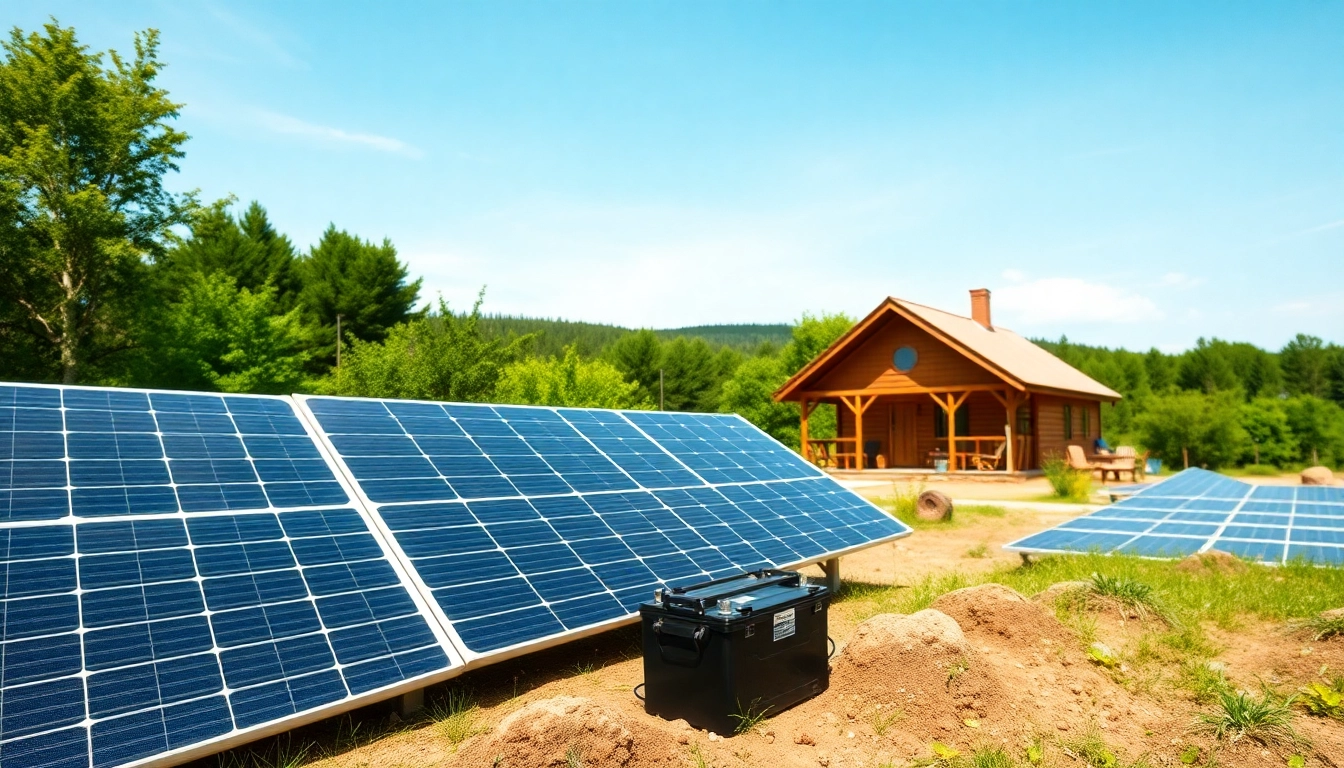
Understanding Off Grid Solar Systems
What is an Off Grid Solar System?
An off grid solar system is a self-sufficient energy setup that allows users to generate and utilize solar power without relying on the conventional power grid. This type of system is composed of solar panels that convert sunlight into electrical energy, which is then stored in batteries for later use. Off grid solar solutions are ideal for remote locations or for those seeking greater energy independence and autonomy.
Unlike grid-tied solar systems, which are connected to the utility grid and can feed excess energy back into it, off grid systems operate independently. This means that they require a reliable method for energy storage to ensure that power is available during cloudy days or at night. For anyone considering an off grid solar system, understanding the fundamental components and functioning is crucial for effective implementation.
Key Components of Off Grid Solar Systems
An off grid solar system typically includes several essential components:
- Solar Panels: These are the core of the system, capturing sunlight and converting it into electricity.
- Charge Controller: This device regulates the voltage and current coming from the solar panels to the batteries, preventing overcharging.
- Batteries: Energy storage is critical in an off grid system, and batteries store the electricity generated for use when sunlight isn’t available.
- Inverter: This device converts the DC electricity produced by the solar panels and stored in batteries into AC electricity, which is used by most household appliances.
- Mounting System: Solar panels need to be securely mounted to optimize their exposure to sunlight, whether on rooftops or on the ground.
How Off Grid Systems Work
Understanding how an off grid solar system works is key to optimizing its performance. The process begins when sunlight hits the solar panels. They convert this sunlight into direct current (DC) electricity through the photovoltaic effect. This energy is then sent to the charge controller, which ensures that the batteries are charged efficiently and safely. In addition to managing battery health, the charge controller also provides system information to the user, such as battery voltage and charge status.
Once the batteries are charged, the stored energy can be used to power home appliances. The inverter plays a crucial role at this stage, converting the DC electricity stored in the batteries into alternating current (AC) electricity, which is the standard form used by most electrical devices. This allows homeowners to use their usual appliances without the need for a grid connection.
Benefits of Off Grid Solar Systems
Energy Independence and Reliability
One of the most significant advantages of off grid solar systems is the level of energy independence they provide. Homeowners can generate their own electricity and are thus less affected by rising energy costs or fluctuations in the grid supply. This autonomy is particularly beneficial for individuals living in remote areas where traditional power lines may not be accessible.
Moreover, off grid systems often enhance reliability. With a well-designed setup, home and business owners can enjoy a consistent energy supply without interruptions that sometimes accompany grid-connected systems, particularly during natural disasters or weather disruptions.
Environmentally Friendly and Sustainable
Off grid solar systems are inherently environmentally friendly. By harnessing the power of the sun, which is renewable and abundant, these systems help reduce reliance on fossil fuels, decreasing greenhouse gas emissions and contributing to a lower carbon footprint. As the world shifts toward sustainability, such systems align with global efforts to combat climate change and promote renewable energy sources.
Cost Savings Over Time
While the initial investment for an off grid solar system might seem steep, the long-term savings on energy costs can be significant. Over time, users can recover their initial expenses through savings on utility bills. Additionally, with the rising efficiency of solar technology and decreasing costs of components, homeowners can realize quicker returns on their investments.
Moreover, off grid systems can protect users from the volatility of energy prices, giving them predictable and stable energy costs, which is particularly valuable in areas with high energy prices.
Choosing the Right Off Grid Solar System for Your Needs
Assessing Your Energy Needs
The first step in selecting an off grid solar system is understanding your energy needs. Start by identifying the appliances and devices you want to power and their consumption rates. This typically involves creating a list of all electrical items you plan to use and their wattage, as well as estimating how many hours per day each one will be in use. Online calculators and tools can help you assess your total daily energy requirements accurately.
In general, it’s best to overestimate your energy needs slightly to ensure that your system can accommodate unexpected increases in usage or inefficiencies in energy generation. By understanding the specifics of your energy consumption, you can tailor your solar setup to ensure that it meets your demands.
Factors to Consider When Selecting Components
When selecting the components of your off grid solar system, consider several key factors:
- Solar Panel Quality: Choose panels with a good durability rating and efficiency. Research brands and look for warranties that reflect confidence in their product.
- Battery Type: Options include lead-acid, lithium-ion, and even flow batteries, each with different performance characteristics. Assess the lifespan, depth of discharge, and costs associated with each type.
- Inverter Size: Ensure that the inverter can handle the total wattage of all devices you plan to use simultaneously. Undersized inverters can lead to power shortages and system inefficiency.
Common Configurations for Different Uses
Different setups can be tailored to meet various user needs. For example:
- Residential Use: A typical residential off grid system often includes a larger capacity battery bank and several solar panels to accommodate everyday household energy needs.
- Recreational Use: Smaller systems designed for RVs or cabins generally consist of fewer panels and batteries, sufficient for limited consumption.
- Agricultural Use: Farmers may employ off grid setups for remote irrigation systems or to power equipment, often utilizing larger-scale solar arrays to account for higher energy demands.
Installation of Off Grid Solar Systems
DIY Installation vs. Professional Help
One of the major decisions when setting up an off grid solar system is whether to install it yourself or hire professionals. DIY installation can save money and provide valuable hands-on experience, making it a favored option for many. However, proper knowledge of electrical work and safety standards is crucial to avoid costly mistakes and ensure safety.
On the other hand, professional installers typically have the expertise required to ensure everything is set up correctly and optimally. They can also offer warranties and post-installation support that can be invaluable to your long-term investment.
Step-by-Step Installation Guide
For those opting for a DIY installation, follow this general step-by-step guide:
- Site Assessment: Determine the best location for your solar panels with maximum sun exposure and ease of access for maintenance.
- Purchase Components: Acquire all necessary equipment, including solar panels, batteries, inverters, and mounting hardware.
- Install Mounting Structures: Secure the mounting system in the chosen location, ensuring it is stable and angled correctly toward the sun.
- Connect Solar Panels: Install the solar panels and connect them according to the system specifications, generally in series or parallel connections depending on the configuration.
- Configure the Charge Controller: Connect the charge controller to the solar panels and battery bank, ensuring proper voltage settings.
- Install the Inverter: Connect the inverter to the battery bank and ensure all connections are tight and secure.
- Testing: Before using the system, run tests to ensure everything is functioning correctly, and monitor the voltage output of the solar panels and batteries.
Safety Precautions and Best Practices
Safety should always be a top priority during installation. Some essential safety precautions include:
- Always wear protective gear when working with electrical components.
- Turn off electricity before making any connections to avoid electric shocks.
- Ensure that all components are rated for outdoor use if they are going to be exposed to the elements.
- Follow the manufacturer's instructions carefully for each component.
Maintaining Your Off Grid Solar System
Regular Maintenance Tasks
Proper maintenance is vital for the longevity and efficiency of your off grid solar system. Regular tasks include:
- Clean Panels: Dust, dirt, and snow can diminish efficiency, so cleaning your solar panels regularly is essential.
- Inspect Batteries: Regularly check the battery connections and electrolyte levels, replacing batteries based on the manufacturer’s lifespan recommendations.
- Monitor System Performance: Keep an eye on energy output and consumption to detect potential issues early.
Troubleshooting Common Issues
Even the best-maintained systems may run into problems. Some common issues include:
- Decreased Output: If solar output drops unexpectedly, check for shading, dirt accumulation, or electrical connection issues.
- Battery Problems: If batteries aren’t holding charge, verify the charge controller settings and check the connections and battery health.
- Inverter Malfunctions: An inverter not producing power could indicate an electrical fault. Inspect the system connections and settings.
Upgrading Your Off Grid System
As energy needs change over time, you may consider upgrading your system. This can involve adding more solar panels, expanding battery capacity, or even integrating new technologies such as smart home systems that enhance energy efficiency. When planning upgrades, ensure compatibility with existing components and consider consulting with a professional to maximize efficiency.