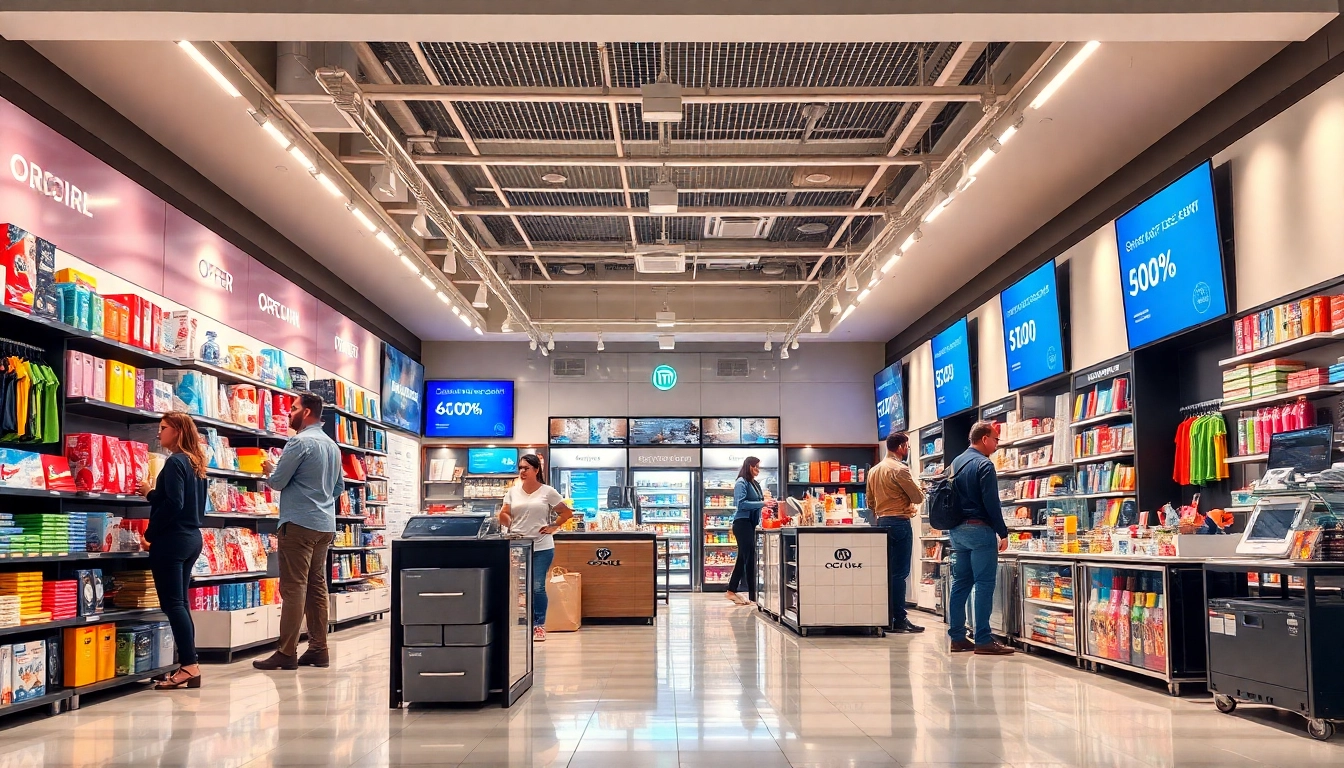
Understanding the Multi-Store Concept
What is a Multi-Store?
A Multi-Store is a structured approach to e-commerce that allows companies to manage multiple online stores from a single platform. Each store can cater to different markets or product categories, providing a customized shopping experience while optimizing resources. This setup can streamline operations, enhance branding, and allow businesses to expand their reach more effectively. By integrating each online presence, businesses not only save on administrative costs but also benefit from cross-promotional strategies.
Key Features of Multi-Stores
- Unified Management Dashboard: A centralized hub for overseeing all stores, managing inventory, handling customer relationships, and analyzing performance metrics.
- Customization Options: Each store can be tailored to fit specific audiences, featuring unique aesthetics, promotions, and product offerings.
- Scalable Architecture: New stores can easily be added without disrupting existing services, making it feasible for businesses to expand rapidly.
- Integrated Payment Solutions: Multi-stores often come with features that support diverse payment options across each store, optimizing conversion rates.
- Data Sharing Capabilities: Sales data and customer insights can be shared across stores to inform marketing strategies and product development.
Benefits of Multi-Store for Businesses
Implementing a Multi-Store presents numerous advantages for businesses striving to grow in a competitive marketplace. Firstly, it allows brands to enhance their geographical reach by presenting products and services tailored to different regions or customer preferences. Businesses can experiment with various pricing strategies, marketing approaches, or product offerings without the risk of alienating their core brand identity.
Furthermore, operating multiple stores under one umbrella can lead to significant cost savings in areas such as running advertisements, managing shipping logistics, and customer service. The consolidation of back-end operations, including inventory tracking and order management, streamlines overall efficiency. Additionally, Multi-Stores foster better customer experiences by offering personalized shopping journeys that increase satisfaction and loyalty.
Setting Up Your Multi-Store
Choosing the Right Platform
Choosing the correct platform for your Multi-Store setup is critical to its success. Various CMS options exist, each offering unique functionalities. Popular platforms like Shopify, WooCommerce, and Magento enable brands to create multiple storefronts while maintaining control over product listings, payment methods, and customer interactions. Factors to consider when selecting a platform include scalability, ease of use, customization flexibility, and support options.
Conduct thorough research, leveraging user reviews and case studies, to determine which platform aligns best with your business objectives. Factors such as integrations with third-party applications, SEO capabilities, and mobile responsiveness should also influence your decision. Investing adequate time in this foundational step can pay dividends as you scale your operations through a Multi-Store approach.
Designing an Intuitive Layout
The layout of your Multi-Store is essential for user experience and conversion rates. An intuitive design that prioritizes user navigation can significantly affect how potential customers perceive your brand. It’s advisable to conduct user-testing sessions and gather feedback from target customers to inform design choices. Consider employing navigation bars for easy access to various store sections, and ensure your website is mobile-friendly to cater to an increasingly mobile audience.
Consistent branding across all stores fosters trust and recognition, so maintain a coherent visual identity while allowing for specific adaptations to meet the preferences of different audiences. The layout should also feature high-quality imagery, engaging CTAs (Calls to Action), and informative content to enhance the proximity between the consumer and their purchasing decisions.
Integrating Product Listings
Efficiently integrating product listings across multiple stores is crucial for maintaining accurate inventory and enhancing user experience. Establishing a centralized database can help manage product information effectively while ensuring that each store reflects real-time inventory levels. Automated tools can assist in updating stock, prices, and product availability across all stores and channels seamlessly.
In addition, categorize products effectively based on target demographics, interests, or purchase behavior to improve discoverability. Optimize product descriptions and images for SEO, using strategic keywords that elevate visibility in search results and drive organic traffic. Implementing this methodology not only helps in listing management but plays a significant role in driving revenue through targeted exposure.
Managing Operations in a Multi-Store
Inventory Management Strategies
Effective inventory management can make or break a Multi-Store's success. Businesses should adopt strategies that allow for rapid assessment and adjustment of stock levels. Solutions like inventory tracking software can assist in monitoring real-time stock across all outlets, helping to prevent overstocking or stockouts. Consider implementing just-in-time delivery systems that prompt orders based on automatic inventory level triggers.
Additionally, utilize sales forecasts to plan inventory needs and avoid unnecessary costs associated with excess stock. Employing a barcoding system for shipments can also enhance accuracy in stock management and ease the reordering process when necessary, ensuring consistent availability of popular products across the stores.
Streamlining Customer Service
Customer service represents the frontline of your business and is paramount in maintaining a reliable reputation. For a Multi-Store, building a strong customer support framework is essential. Businesses can enhance customer service by employing live chat support, ticketing systems, and comprehensive FAQs that ensure quick resolutions to customer queries across all stores.
Consider automating routine inquiries through chatbots to free up human resources for more complex issues. Furthermore, nurturing a responsive social media presence can foster engagement and build brand loyalty. Prompt and effective customer service reinforces trust, ensuring long-term customer relationships which are crucial in the competitive online marketplace.
Analyzing Sales Data Effectively
Data is a powerful asset that informs decision-making within a Multi-Store setup. Regularly analyzing sales performance data helps identify trends, customer preferences, and areas for improvement. Implement robust analytics tools that track key performance indicators (KPIs) across all stores, including conversion rates, average order value, and customer acquisition costs.
Utilize these insights for strategic adjustments, whether that's optimizing product offerings, revising marketing efforts, or enhancing the customer experience. Regular performance evaluations enable businesses to respond proactively instead of reactively, fostering a culture of continuous improvement in operation management.
Marketing Your Multi-Store
SEO Best Practices for Multi-Stores
Effective SEO is paramount in increasing visibility and driving organic traffic to your Multi-Store. Begin by conducting comprehensive keyword research to identify terms and phrases that align with your products and target audience's search behavior. Create unique, optimized meta tags and descriptions for each store while ensuring web content follows current SEO best practices, including using headings, structured data, and relevant internal linking.
Enable a fast, user-friendly experience across all devices to improve site rankings through Google's algorithm. Conduct regular audits to assess your SEO performance and make iterative improvements based on analytical data to ensure sustained traffic growth over time.
Leveraging Social Media Advertising
Social media advertising presents an excellent opportunity to reach broader audiences. Establish a presence on platforms frequented by your target demographics, and leverage data analytics to tailor your messaging and imagery for maximum impact. Consider using targeted ads or influencer collaborations that align with each store's specific focus to cater to varying consumer interests.
Create engaging content, including videos, user-generated content, and discounts, to foster interaction and community-building. This not only amplifies brand awareness but can also drive traffic back to your stores, enhancing overall conversion rates.
Email Marketing for Customer Retention
Email marketing remains one of the most effective channels for customer retention in a Multi-Store environment. Establish segmented email lists according to customer behavior, purchase history, and engagement levels for targeted communications. Employ dynamic content strategies that personalize emails based on individual preferences, promoting relevant products or exclusive offers.
Regular newsletters can keep customers informed about upcoming sales, new arrivals, and brand news, encouraging repeat visits and purchases. An effective email marketing strategy fosters a sense of connection with your customers, enhancing their loyalty and lifetime value.
Evaluating Performance and Success
Key Metrics to Track
To gauge the performance of your Multi-Store effectively, it's fundamental to identify and monitor key metrics. Look at conversion rates, customer acquisition costs, return on investment (ROI), and cart abandonment rates to evaluate your success comprehensively. Each metric provides insights into various aspects of your operations and marketing strategies.
Establish a dashboard that compiles this data for easy tracking and analysis. Regular performance reviews foster an agile approach to adjusting strategies, ensuring your Multi-Store aligns with evolving customer preferences and market demands.
Improving User Experience
User experience (UX) directly impacts a customer’s purchasing decisions and overall satisfaction. Conduct user testing and gather feedback to identify friction points in customer navigation or checkout processes. Ensure an engaging yet simple interface that allows customers to find information swiftly and seamlessly complete their transactions.
Regularly updating your website's aesthetics, optimizing loading speeds, and reducing the number of clicks needed to make a purchase all contribute to improved UX. Investing in this area enhances customer retention and boosts sales over time.
Adjusting Strategies Based on Feedback
Feedback is invaluable for improving operations within a Multi-Store setup. Actively solicit and analyze feedback from customers via surveys, social media, and reviews to gauge satisfaction levels. Use this information to refine product offerings, customer service approaches, and marketing strategies.
Moreover, establishing a continuous loop where feedback leads to action will show your customers that their opinions are valued, subsequently enhancing loyalty. Implement changes based on informed decisions, fostering a culture of adaptation and growth in your Multi-Store business.
Frequently Asked Questions
What is a Multi-Store setup?
A Multi-Store setup enables businesses to create and manage multiple online stores from a single platform, streamlining operations and tailoring marketing approaches for diverse audiences.
How can I ensure effective inventory management?
Implement inventory tracking software, adopt just-in-time delivery systems, and utilize sales forecasts to optimize stock levels across all stores.
What are the key metrics to track for my Multi-Store?
Monitor conversion rates, customer acquisition costs, return on investment, and cart abandonment rates to assess your Multi-Store's performance effectively.
How should I market my Multi-Store?
Leverage SEO, social media advertising, and email marketing targeted towards segmented audiences to enhance outreach and drive traffic to each store.
How can I improve user experience on my Multi-Store?
Enhance UX by conducting testing, gathering customer feedback, optimizing website aesthetics, and streamlining checkout processes for a seamless shopping journey.