Understanding Home Solar Solutions
What Are Home Solar Solutions?
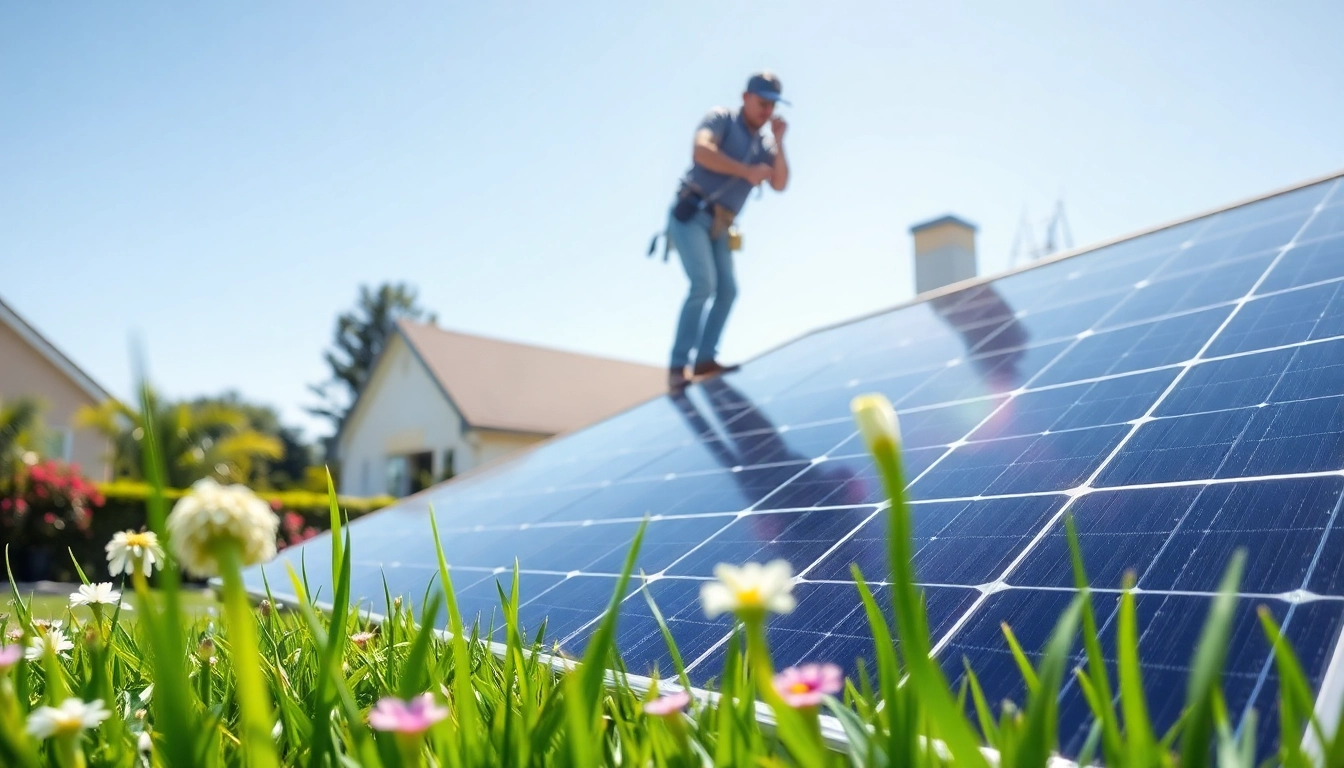
Home solar solutions refer to sustainable energy systems designed to harness solar power for residential use. These systems primarily consist of solar panels that convert sunlight into electricity, which can power your home, charge batteries, or feed energy back into the grid. By opting for home solar solutions, homeowners not only become less reliant on fossil fuels but also significantly reduce their energy bills while contributing to environmental sustainability.
Benefits of Home Solar Solutions
The advantages of implementing home solar solutions are multifold. Firstly, solar energy is renewable and abundant, making it a sustainable choice for energy production. Homeowners can enjoy reduced electricity bills, as solar systems can cover a significant portion—if not all—of their energy needs. Furthermore, solar solutions often increase property value, and many countries offer tax incentives or rebates for solar installations, enhancing affordability.
Moreover, using solar solutions can also lead to energy independence, reducing vulnerabilities associated with rising energy costs and geopolitical tensions. On an environmental level, it helps decrease carbon footprints, contributing to global efforts against climate change.
How Home Solar Solutions Work
Home solar solutions work on the principle of converting solar radiation into usable energy. Solar panels, also known as photovoltaic (PV) panels, are made up of multiple cells that absorb sunlight and generate direct current (DC) electricity. This electricity is then converted into alternating current (AC) electricity—the form used to power homes—by an inverter.
Here’s how the process typically unfolds: when sunlight hits the panels, it excites electrons, creating DC electricity. This electricity flows through a conduit to the inverter, which transforms it into AC electricity. The AC electricity is then used to power home appliances, and any surplus electricity can often be stored in batteries for later use or sent back to the grid through a process known as net metering.
Types of Home Solar Solutions
Photovoltaic Solar Panels
Photovoltaic (PV) solar panels are the most common type of solar solution for homes. They feature solar cells that convert sunlight directly into electricity. There are two main types of PV panels: monocrystalline and polycrystalline. Monocrystalline panels are made from a single, continuous crystal structure, making them more efficient and space-saving, while polycrystalline panels consist of multiple crystals and tend to be less expensive but also less efficient.
PV panels are effective at decreasing energy bills and providing renewable energy. Many homeowners combine multiple panels to create a solar array, which can generate sufficient electricity to cover their home’s needs.
Solar Water Heating Systems
Solar water heating systems utilize solar energy to heat water for residential use. There are two primary types: active systems, which use electrical pumps and controls to circulate water, and passive systems, which rely on natural convection. These systems can be particularly efficient in non-drainback applications where water is heated and stored for use in showers, dishwashing, and space heating.
Integrating solar water heating into home solar solutions can significantly reduce water heating costs, making it a valuable component for homeowners focused on sustainability.
Solar Roof Tiles
Solar roof tiles represent an innovative approach to harnessing solar energy. Unlike traditional solar panels, these tiles integrate seamlessly with your roof structure, providing aesthetic appeal alongside functionality. Solar roof tiles convert sunlight into electricity just like standard panels but can also enhance the roof's insulation properties.
This type of solar solution may appeal to homeowners who want to maintain architectural integrity while benefiting from renewable energy. Though often more expensive upfront, they can contribute to long-term energy savings and sustainability.
Evaluating Home Solar Solutions for Your Needs
Assessing Energy Needs
The first step in evaluating home solar solutions is understanding your energy needs. Analyze your electricity consumption by reviewing your past utility bills, noting seasonal variations in energy use. Consider using energy consumption calculators, which consider appliance use, home size, and occupancy patterns, to get a clearer picture of your energy requirements.
This assessment will help determine the size of the solar system you need and how much energy production you can expect from your installation, aiding you in the decision-making process.
Budgeting for Solar Installation
Budgeting for solar installation involves more than just the cost of the solar panels; it includes installation fees, inverter costs, and additional equipment such as batteries if you plan to store energy. It's advisable to obtain quotes from several solar installers to gauge the average costs for your location and specific requirements.
Don't overlook potential savings through government incentives or rebates dedicated to renewable energy installations. A detailed cost-benefit analysis will help you understand the return on investment (ROI) and financial implications of your chosen solar solutions.
Choosing a Reliable Installer
The success of your solar installation heavily depends on selecting a trustworthy and experienced installer. Look for reputable firms with excellent reviews, relevant certifications, and a strong portfolio of completed projects. Ask for references and check the installer's performance history to ensure they adhere to industry standards and best practices.
Additionally, consider installers who provide comprehensive warranties and maintenance packages, demonstrating their commitment to quality service and customer satisfaction.
Installation Process of Home Solar Solutions
Initial Consultation and Assessment
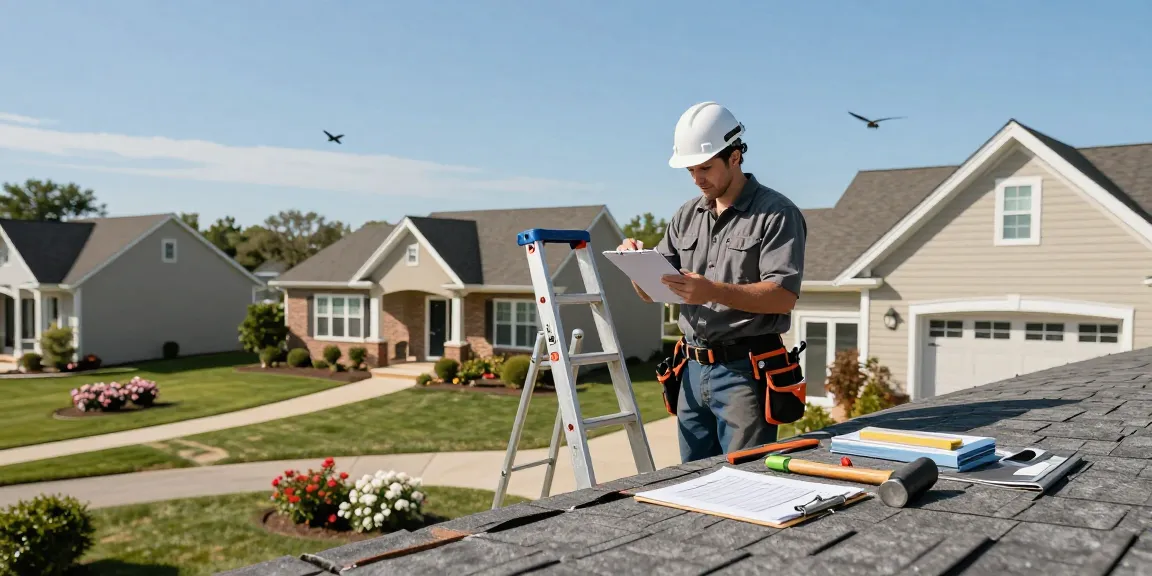
The installation process begins with an initial consultation where the installer assesses your property to understand energy needs and site specifics. This stage often entails an evaluation of roof condition, shading from trees or nearby buildings, and overall sunlight exposure. Installers will also discuss your energy goals, budget, and any incentives available.
This preliminary stage sets the foundation for a tailored solar solution that suits your household's unique energy profile.
Permitting and Planning
After the initial consultation, your installer will handle the permitting processes often required by local governments. This may involve submitting plans, ensuring compliance with zoning regulations, and obtaining necessary permits for installation. Planning is crucial, as it ensures that your system is compliant with local laws and optimized for performance.
During this phase, you should also discuss financial arrangements, final system design, and potential installation dates with your installer.
Final Installation and Maintenance
The final installation step involves mounting the solar panels, setting up the inverter, and connecting the system to your home's electrical grid. This phase requires precision and expertise to ensure that the system operates safely and efficiently. Most installations can be completed in one to three days, depending on the system's complexity and size.
Once installation is complete, routine maintenance is essential to keep your solar solution functioning optimally. Regular cleaning of panels and periodic inspections can significantly extend the lifespan of your system and enhance its efficiency.
Measuring Performance and Efficiency of Home Solar Solutions
Monitoring Solar Energy Production
To fully leverage your solar solution, having a monitoring system in place is vital. Most modern solar systems come equipped with monitoring software that allows you to track energy production in real-time. This data can help you understand your system's efficiency and make necessary adjustments. Monitoring can take place via online platforms or mobile apps, providing alerts in case of potential issues.
Being proactive about your system's performance can help optimize energy generation and ensure maximum return on investment.
Understanding Return on Investment (ROI)
Return on investment is a critical factor to consider when assessing the benefits of solar solutions. Calculating ROI involves analyzing the initial investment, savings on energy bills, and potential tax incentives over time. A thorough understanding of these financial aspects helps homeowners appreciate the long-term benefits of solar energy adoption.
Typically, customers can expect to see a ROI within 5 to 10 years, depending on energy costs, local incentives, and the size of the system installed.
Long-Term Benefits of Solar Energy Adoption
Adopting solar energy solutions extends beyond immediate financial benefits. Long-term advantages include increased property value, energy independence, and reduced environmental impact. Over time, the cumulative energy savings can be substantial, allowing homeowners to redirect savings towards other investments or initiatives.
In addition to personal financial benefits, adopting solar energy contributes to a collective reduction in fossil fuel dependency, fostering a healthier planet for future generations. As technology continues to evolve, the efficiency and affordability of solar solutions will likely improve, making this investment an even more attractive option for homeowners in the years ahead.