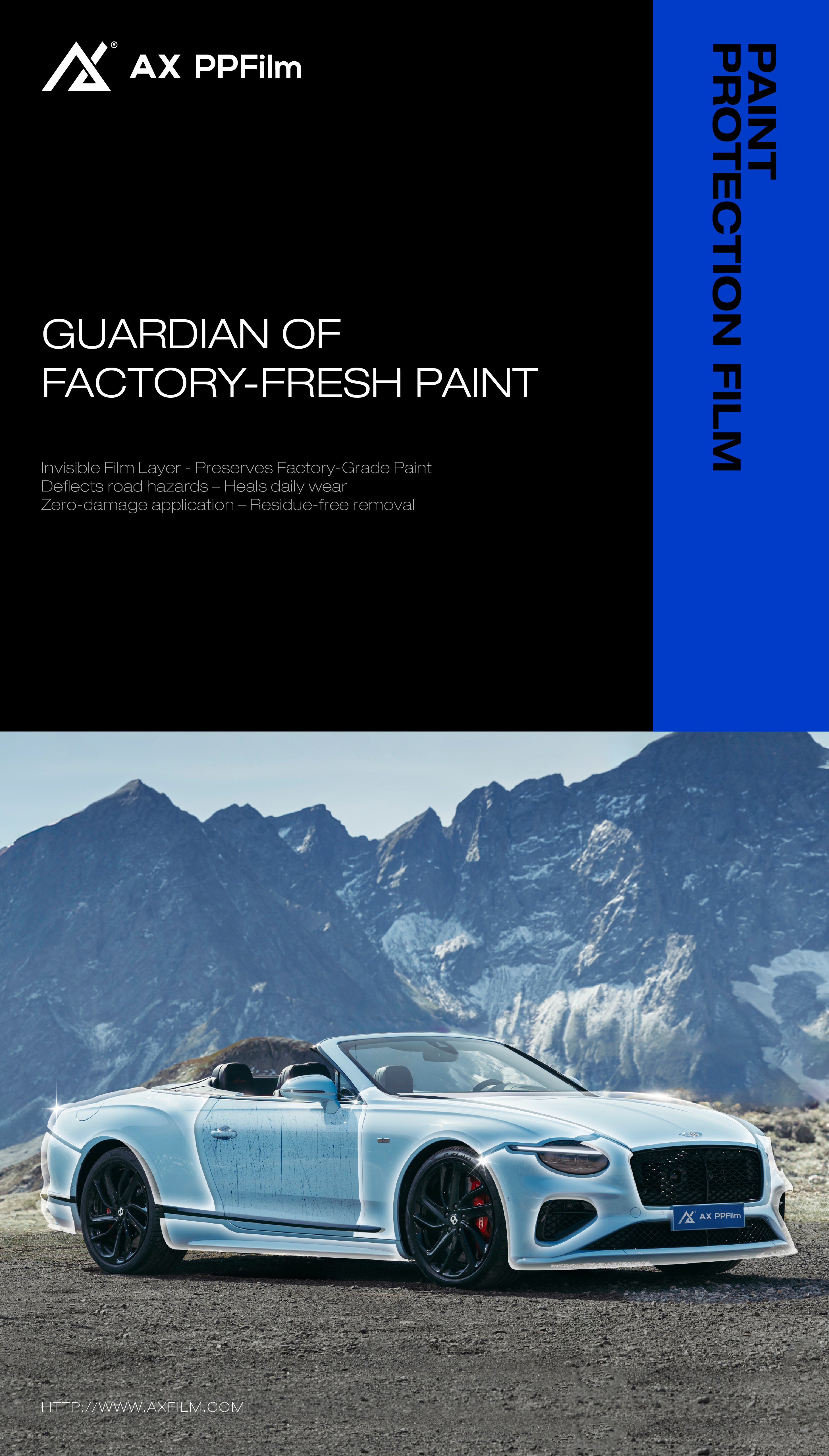
As vehicle owners, protecting our investments is a top priority. Among the myriad of options available, Paint Protection Film (PPF) has emerged as a popular solution for safeguarding the exterior surfaces of automobiles. This comprehensive guide explores everything you need to know about Paint Protection Film, including its benefits, types, installation processes, maintenance tips, and cost considerations. By the end, you’ll have a well-rounded understanding of how this innovative product can help keep your vehicle looking pristine for years to come.
Understanding Paint Protection Film
What is Paint Protection Film?
Paint Protection Film (PPF) is a clear, durable film applied to the painted surfaces of a vehicle with the primary purpose of protecting it from physical damage. This includes harm from abrasions, chips from rocks or road debris, bird droppings, environmental contaminants, and even UV rays that can lead to fading. Made of a thermoplastic urethane, this film is typically transparent, ensuring that the vehicle's aesthetic appeal remains intact while offering superior protection.
How Does Paint Protection Film Work?
The protective qualities of Paint Protection Film stem from its composition and application. PPF is designed to absorb impact, thereby preventing scratches and chips in the underlying paint. It is often self-healing, which means that minor scratches can disappear when exposed to heat. This self-healing feature significantly minimizes the appearance of wear and tear, ultimately preserving the finish of your vehicle. When applied properly, PPF provides an invisible barrier that does not detract from the car’s original look, while keeping it protected.
Benefits of Using Paint Protection Film
The advantages of utilizing Paint Protection Film are manifold:
- Durable Protection: PPF offers significant resistance to physical damage.
- Self-Healing Capability: Minor scratches and swirl marks can heal themselves with heat, maintaining the pristine look of your car.
- UV Protection: PPF guards against harmful UV rays, helping prevent paint oxidation and fading over time.
- Ease of Maintenance: Vehicles equipped with PPF are easier to clean as the film repels dirt and grime.
- Cost-Efficiency: Investing in PPF can save money on future paint repairs and maintain a higher resale value.
- Versatility: Available in various finishes, including gloss and matte, PPF can suit any aesthetic preference.
Types of Paint Protection Film Available
Gloss vs. Matte Finish: Which to Choose?
When selecting Paint Protection Film, vehicle owners typically have the choice between gloss and matte finishes. Gloss films enhance the shine and depth of color on painted surfaces, making them ideal for those who want to maintain a high-luster appearance. On the other hand, matte films provide a non-reflective surface that can give a unique, modern look, perfectly complementing matte-finished cars. Your choice depends on your vehicle's finish and your aesthetic goals.
Self-Healing Properties Explained
A standout feature of many Paint Protection Films is their self-healing capability. This ingenious mechanism works through the unique composition of the film, allowing minor abrasions to disappear when exposed to heat, whether from sunlight or warm water. This property minimizes maintenance hassle, making PPF an even more attractive option for busy car owners who want to maintain aesthetic quality without constant upkeep.
Durability and Longevity of Different Films
The durability of Paint Protection Film is influenced by factors including the thickness of the material, the technology used in manufacturing, and the conditions to which the film is exposed. Higher-quality films are often thicker, providing enhanced protection against rock chips and scratches. Additionally, many PPF products come with warranties that last several years, indicating their longevity and reliability in protecting your vehicle’s paint.
Installation Process of Paint Protection Film
Do-It-Yourself vs. Professional Installation
The decision to install Paint Protection Film can either be a DIY undertaking or a job for a professional installer. DIY installation can save on labor costs but requires a precise application to avoid bubbles and misalignment. For optimal results, many vehicle owners opt for professional installation, where expert technicians utilize advanced techniques and tools to ensure a flawless fit. Professionals also provide warranties on their installation, offering peace of mind.
Tools Required for Installation
If you choose to go the DIY route for installing Paint Protection Film, specific tools are necessary:
- Spray bottle filled with soapy water
- Heat gun or hairdryer
- Utility knife or precision cutting tool
- Squeegee
- Microfiber cloth
Having these tools ready will streamline the installation process and help you achieve the best results.
Common Mistakes to Avoid during Installation
There are several pitfalls to be aware of when installing Paint Protection Film:
- Improper Surface Preparation: Ensure the car’s surface is thoroughly cleaned and free of wax or residues.
- Neglecting Temperature Control: Extreme heat or cold can affect the adhesive properties of the film.
- Incorrect Measurements: Always measure the film and the area carefully to avoid cutting a piece that is too small.
- Forgetting to Use a Squeegee: Not using a squeegee or applying insufficient pressure can result in bubbles and poor adhesion.
Maintaining Your Paint Protection Film
Best Practices for Care and Cleaning
Proper maintenance of Paint Protection Film can significantly extend its lifespan and effectiveness. Here are best practices for care:
- Hand-wash your vehicle regularly with a pH-balanced car soap.
- Avoid abrasive cleaning materials that can scratch the film.
- Do not use high-pressure washers directly on the film; instead, maintain a safe distance.
- Wipe down the film with a soft microfiber cloth to avoid swirl marks.
Signs Your Film Needs Replacement
Although Paint Protection Film is durable, it may eventually show signs of wear that necessitate replacement. Indicators include:
- Yellowing of the film, which can be caused by prolonged UV exposure.
- Peeling edges that expose the underlying paint.
- Visible scratches or damage that persists despite the self-healing properties.
How to Extend the Life of Your Paint Protection Film
To maximize the longevity of your Paint Protection Film, consider the following strategies:
- Regularly apply a high-quality detail spray designed for PPF.
- Avoid parking under trees where sap and bird droppings could accumulate.
- Apply a ceramic coating over the film for added protection against environmental harm.
Cost Considerations for Paint Protection Film
Price Ranges for Various Film Options
The cost of Paint Protection Film can vary significantly based on thickness, brand, and installation type. On average, a quality film can range from $400 to $2,500 for full vehicle coverage, depending on the level of protection desired and vehicle size. Simple kit installations may be more affordable, while professional installations for comprehensive coverage will be at the higher end.
Potential Savings over Time with Paint Protection Film
Investing in PPF can yield long-term savings. By preventing paint damage, you can avoid costly repaint jobs that can run into the thousands, especially for high-end vehicles. Additionally, maintaining your vehicle’s pristine condition helps keep its resale value higher, making PPF a wise investment.
Is It Worth the Investment?
Ultimately, the decision to invest in Paint Protection Film hinges on your priorities as a vehicle owner. If maintaining your vehicle's aesthetic and resale value is important, and you frequently drive in conditions that pose a risk for paint damage, then PPF is undoubtedly worth considering. Its numerous protective qualities provide valuable peace of mind and ongoing appeal.
Conclusion
Whether you are looking to safeguard a new vehicle or preserve the finish of a classic car, Paint Protection Film serves as a crucial investment for any car enthusiast. By understanding its benefits, types, installation methods, and maintenance requirements, you can make an informed decision that aligns with your needs. As vehicles continue to represent both financial and emotional investments, protecting them with quality solutions like Paint Protection Film is undeniably a step in the right direction.