Understanding Trade Show Displays
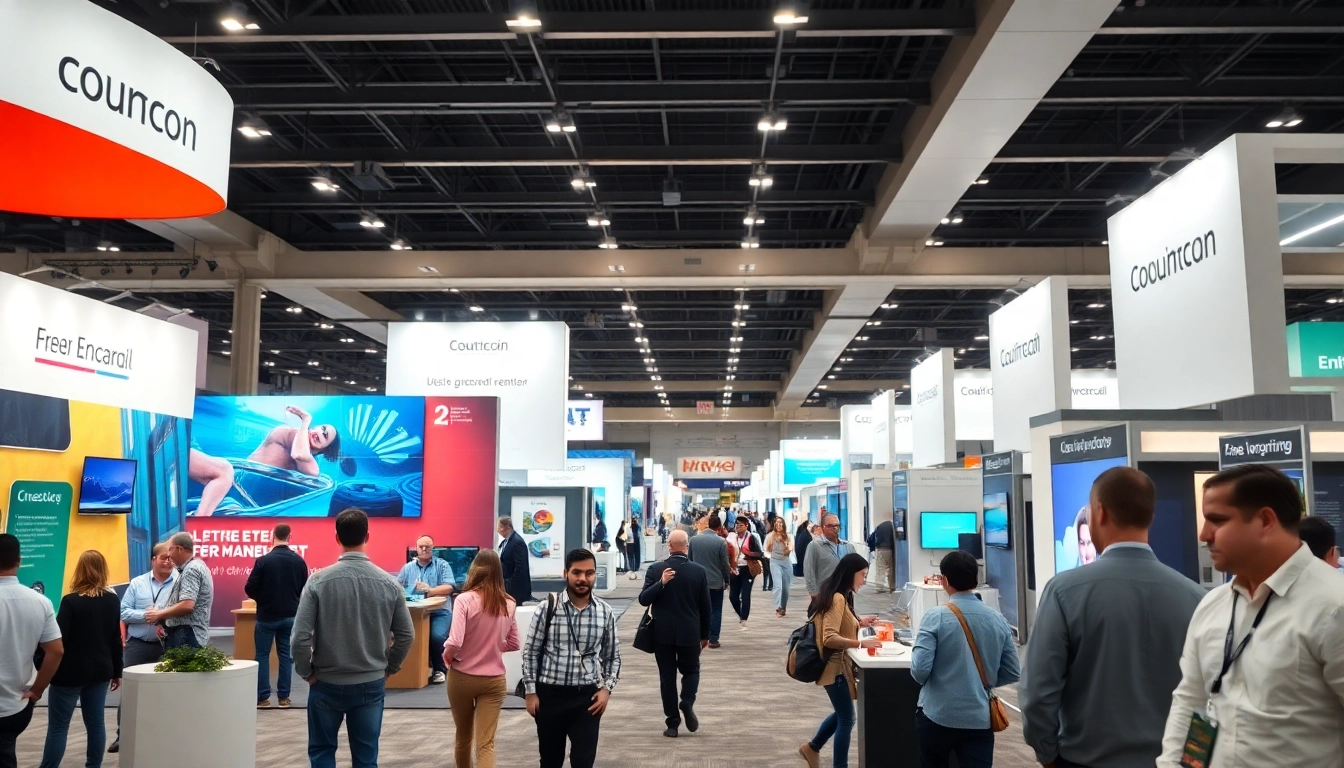
Trade show displays are critical tools for businesses seeking to showcase their brand, products, and services at various events. These displays are designed to grab the attention of attendees and facilitate engaging interactions, thus maximizing the impact of a company’s presence. Properly crafted trade show displays can significantly enhance visibility and attract potential customers or clients.
Benefits of Using Trade Show Displays
The advantages of utilizing trade show displays are manifold:
- Brand Visibility: A well-designed display immediately communicates a company’s branding, helping to create a memorable presence that can resonate with attendees long after the event concludes.
- Direct Engagement: Trade shows allow for face-to-face interactions, a unique opportunity to build relationships, explain products or services in detail, and answer questions directly.
- Lead Generation: The dynamic nature of trade shows can attract a qualified audience interested in the business's offerings, thus increasing the likelihood of generating valuable leads.
- Market Research: Trade shows offer the chance to observe competitors, gather insights about industry trends, and receive immediate feedback on products or services from potential customers.
Types of Trade Show Displays
Several types of trade show displays cater to different needs and preferences:
- Pop-Up Displays: These are portable, lightweight structures that can be set up quickly and typically feature vibrant graphics. Ideal for smaller booths, pop-up displays offer flexibility and easy transportation.
- Modular Displays: Comprised of interchangeable components, modular displays allow for scalability. Businesses can adapt their displays for different event sizes without needing a complete redesign.
- Tabletop Displays: Suitable for smaller events or supplementary displays, these setups are typically used on tables, offering a compact way to convey information.
- Custom Displays: Tailor-made to meet specific branding and functional requirements, custom displays can integrate various elements, including lighting, technology, and interactive components.
Key Features to Consider
When choosing trade show displays, businesses should consider several key features to ensure effectiveness:
- Size and Layout: The dimensions of the display should fit the allocated booth space while maximizing visibility from various vantage points. It is essential to assess the layout that allows easy navigation and interaction.
- Graphics Quality: High-resolution images and well-designed graphics are crucial to attract attention. Clear and striking visuals can significantly enhance engagement and brand retention.
- Portability: Displays should be easy to transport and set up, facilitating a smooth transition between different events.
- Durability: The materials used should withstand repeated use while keeping an attractive appearance, ensuring that the display remains versatile even over time.
Designing Your Trade Show Displays
Effective design is a foundational aspect of trade show displays. A strategic, thoughtful design can lead to higher levels of engagement, interest, and ultimately, sales.
Choosing the Right Visual Style
Visual style is vital in communicating your brand identity. Companies should consider:
- Consistency: Ensure that the visual elements align with your overall branding—colors, fonts, and imagery should be consistent across all materials.
- Audience Appeal: Tailor the design to resonate with the target demographics attending the trade show. Consider cultural sensitivities and design trends within your industry.
- Simplicity: A clutter-free design that highlights key messages and visuals can help maintain focus and clarity. Too much information can overwhelm attendees.
Incorporating Brand Messaging
Brand messaging is the backbone of your trade show display. Consider the following strategies:
- Taglines: Use concise, impactful taglines that convey your brand’s mission or product benefits. A catchy tagline can make a memorable impression.
- Storytelling: Use narratives to connect with the audience emotionally. Sharing the background of your brand or products can captivate potential clients.
- Call to Action: Include clear calls to action that guide attendees on the next steps—whether it’s signing up for a newsletter, scheduling a demo, or visiting the website.
Essential Components for Success
No trade show display is complete without certain core elements that bolster effectiveness:
- Lighting: Effective lighting not only attracts attention but also enhances the visual appeal of your display.
- Interactive Elements: Incorporate technology, such as touch screens or virtual reality components, to engage attendees and encourage them to interact more deeply with your brand.
- Promotional Materials: Brochures, business cards, and freebies can serve as touchpoints for follow-ups after the event, so make sure they complement your display’s design.
Setting Up Trade Show Displays
The execution of a trade show display set up is as critical as its design. A successful setup can draw in attendees and facilitate engagement.
Best Practices for Assembly
Efficient assembly ensures that you have more time to focus on engaging with attendees:
- Preparation: Prior to the event, ensure that all parts of your display are accounted for, and conduct a trial setup if possible to familiarize yourself with the assembly process.
- Team Coordination: Assign roles within your team for various setup tasks to streamline the process and avoid last-minute confusion.
- Follow Instructions: Adhere to the manufacturer's assembly instructions. This can prevent damage to the display and ensure that it is stable and secure.
Positioning for Maximum Visibility
Strategic positioning can enhance your display’s visibility and foot traffic:
- Location within the Venue: Ideally, secure a spot near high-traffic areas such as entrances or near food courts.
- Orientation: Ensure that key visuals and brand elements face towards approaching attendees to naturally draw them in.
- Accessibility: Allow enough space around your display to prevent overcrowding, enabling easy access for attendees.
Engaging Audiences Effectively
Engagement goes beyond attracting attendees; it is about creating meaningful interactions:
- Staff Training: Ensure that all staff members are trained to communicate effectively, engage with visitors warmly, and provide knowledgeable information about products or services.
- Interactive Activities: Consider hosting contests, giveaways, or live demonstrations to create excitement and draw in audiences.
- Information Gathering: Utilize lead capture forms, business card drops, or interactive kiosks to collect attendee information and follow up post-event.
Promoting Your Trade Show Displays
Promotion before, during, and after the event is crucial to maximizing the impact of your trade show displays.
Pre-Event Marketing Strategies
Building awareness prior to the event lays the groundwork for successful engagement:
- Email Campaigns: Send targeted email invitations to potential clients, letting them know about your participation and what to expect at your booth.
- Social Media Promotion: Utilize your social media platforms to announce your attendance and highlight what makes your display unique.
- Content Marketing: Create blog posts or videos about what attendees can learn or experience at your booth, effectively generating buzz and curiosity.
During Event Engagement Techniques
Once the event begins, maintaining momentum is key:
- Live Social Media Updates: Share real-time updates on social media to create a sense of urgency and excitement, encouraging followers to visit your booth.
- Networking: Attend networking events during the trade show to build relationships with other vendors and potential clients.
- Interactive Presentations: Schedule regular presentations or product demonstrations to consistently engage attendees throughout the event.
Post-Event Follow-Up Methods
The follow-up phase is vital for converting leads into customers:
- Thank You Emails: Send personalized thank you emails to everyone who visited your booth, including any additional resources related to their interests.
- Feedback Surveys: Enquire about attendees' experiences at your booth to gather insights that may help improve for future events.
- Lead Review: Analyze and prioritize leads captured during the event based on their potential value and interest level.
Evaluating Trade Show Display Success
Finally, assessing the effectiveness of your trade show displays provides insights for future improvements.
Metrics to Track Performance
The following well-defined metrics can inform you about your success:
- Lead Conversion Rates: Track how many leads from the event turned into tangible sales or inquiries after the follow-up.
- Engagement Levels: Measure visitor traffic to your booth, interactive participation rates, and social media interactions to gauge engagement.
- Return on Investment (ROI): Analyze the overall costs versus the sales generated from the event to calculate the effectiveness of your promotional strategies.
Gathering Feedback
Collect feedback to understand attendee perceptions:
- Surveys: After the event, distribute surveys to both booth visitors and staff to get a balanced view of the display’s effectiveness.
- Direct Communication: Face-to-face interactions during the event can yield immediate feedback that is invaluable for refining future setups.
- Social Listening: Monitor social media channels for discussions related to your brand during and after the trade show, as this can provide insights into public perception.
Making Improvements for Future Events
Take actionable steps based on gathered data to optimize future trade show experiences:
- Design Iterations: Utilize feedback to make necessary adjustments to design elements, ensuring that your displays evolve with industry standards and audience preferences.
- Training Enhancements: If staff performance is highlighted as a concern, consider additional training workshops to provide better preparation for future interactions.
- Refining Engagement Strategies: Implement learned strategies for promotion and engagement during the next cycle, adapting to new trends in your audience's preferences.
Establishing a robust strategy for your trade show displays involves a comprehensive approach that encompasses design, setup, promotion, and evaluation. By prioritizing creativity, audience engagement, and continuous improvement, companies can ensure that their investment in trade shows contributes significantly to their business growth and brand recognition.