Understanding Plastic Injection Molding Machines
What is a Plastic Injection Molding Machine?
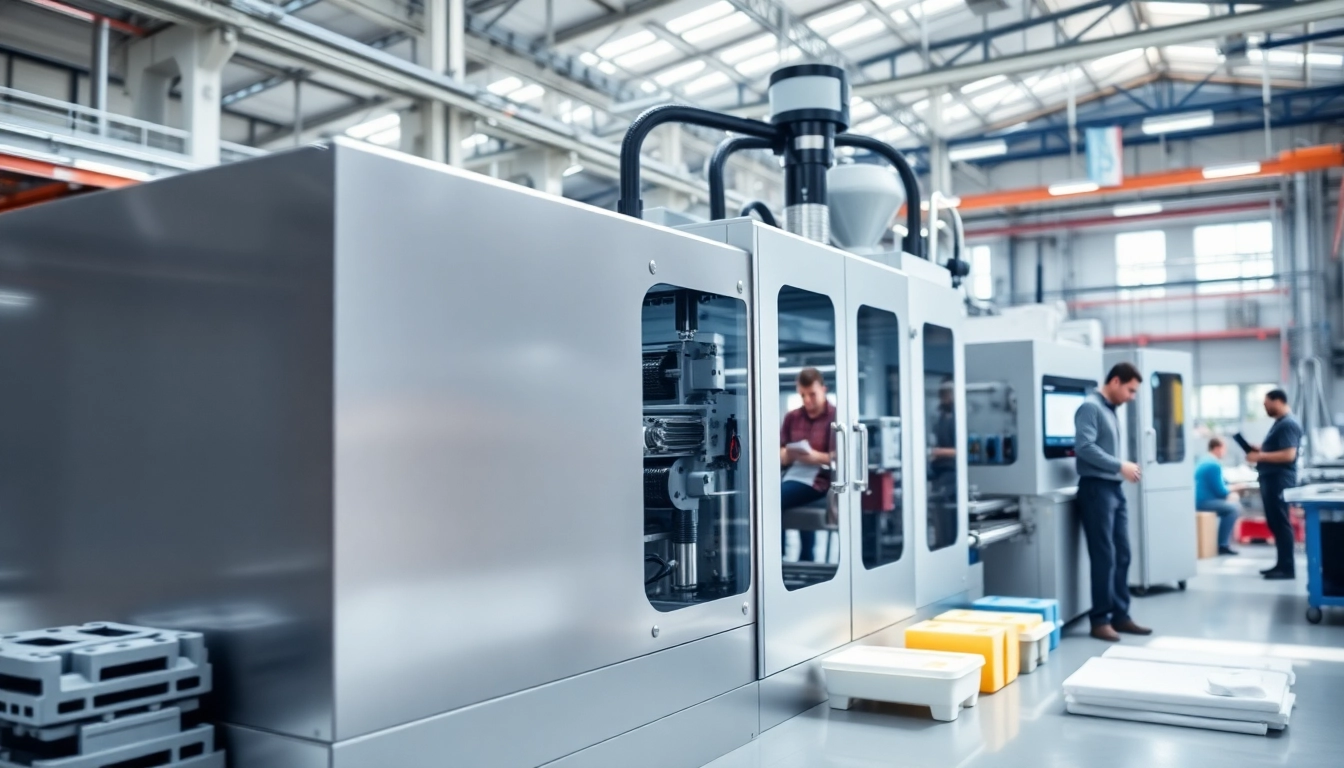
A plastic injection molding machine is a manufactured machine used in the industrial process of forming parts from thermoplastic materials. This process involves injecting molten plastic into a mold where it cools and hardens into the final product. The invention of this machine revolutionized the manufacturing industry as it allows for rapid production of precise and complex designs at a low cost and with minimal waste. The technology is prevalent in various industries, from automotive to consumer goods, medical devices to packaging.
Key Components of Plastic Injection Molding Machines
Every plastic injection molding machine is composed of several key components, each playing a crucial role in the injection molding process:
- Injection Unit: This component consists of a hopper, barrel, screw, and nozzle. The material is fed from the hopper into the barrel, where the screw melts and injects it into the mold.
- Clamping Unit: The clamping unit holds the mold in place during the injection process. It must generate enough force to keep the mold closed against the injection pressure.
- Mold: The mold, often customized for each product, shapes the molten plastic as it solidifies. It's critical for ensuring the dimensional accuracy and surface finish of the final product.
- Control System: The control system manages all machine actions, including temperature settings, injection speed, and cycle time. Modern machines often utilize computer numerical control (CNC) systems for precision.
- Cooling System: During the molding cycle, a cooling system helps regulate temperatures to expedite cooling and solidification of plastic.
Types of Plastic Injection Molding Machines
The type of plastic injection molding machine significantly influences production capabilities, efficiency, and costs. There are generally three main categories:
- Hydraulic Injection Molding Machines: These utilize hydraulic power to initiate the processes. They are known for producing large parts and operating at high pressures. They typically provide a cost-effective solution for large batch productions.
- Electric Injection Molding Machines: Electric machines use electric motors for all movement and processes. While they may have higher upfront costs, they offer increased precision, faster cycles, lower energy consumption, and reduced maintenance needs.
- Hybrid Injection Molding Machines: Combining both hydraulic and electric technologies, hybrid machines aim to balance the high performance and energy efficiency advantages of both systems, providing versatility across various applications.
Benefits of Using Plastic Injection Molding Machines
Cost Efficiency and Production Speed
Plastic injection molding machines are often regarded as one of the most cost-effective methods for manufacturing plastic parts. The initial setup can be substantial; however, the per-unit cost decreases significantly with higher production volumes. This ability to produce high quantities of identical parts rapidly, known as cycle time efficiency, allows manufacturers to meet market demand without incurring excessive overhead costs.
Precision and Quality in Manufacturing
One of the standout advantages of plastic injection molding machines is their capability to produce highly intricate parts with remarkable precision. This accuracy minimizes the need for further machining or adjustments post-production, ultimately streamlining supply chain processes. Additionally, quality control measures built into modern injection molding machines help to enhance product consistency, ensuring that each piece meets stringent quality standards.
Environmental Considerations in Injection Molding
With growing awareness around environmental sustainability, the injection molding process has adapted to include more eco-friendly practices. Modern machines are designed to optimize energy consumption, utilize recyclable materials, and minimize waste. Many manufacturers are also shifting towards bioplastics and other sustainable materials that reduce their carbon footprint while still meeting product specifications.
Selecting the Right Plastic Injection Molding Machine
Assessing Your Production Needs
Choosing the right plastic injection molding machine begins with a thorough assessment of production requirements. Considerations should include the type of materials to be used, the complexity of the parts, desired production volumes, and budget constraints. Understanding these factors can help define the specifications and functionalities needed in a machine, enabling manufacturers to make informed decisions that align with their strategic objectives.
Key Features to Look For
When evaluating different plastic injection molding machines, several key features should be prioritized:
- Shot Size and Clamping Force: Ensure the machine can accommodate the required shot volume and offers sufficient clamping force to hold the mold under pressure.
- Energy Efficiency: Look for machines with energy-saving technologies that can significantly reduce operational costs over time.
- Control Systems: Consider machines with advanced control systems that support real-time monitoring and adjustments to maximize output quality and machine uptime.
- Maintenance and Support: Evaluate the manufacturer's reputation for after-sales support and the ease of obtaining parts for repair or maintenance.
Comparing Different Models and Brands
Once you’ve assessed your needs and identified key features, the next step involves comparing different models from various manufacturers. Reading reviews, attending trade shows, and consulting with industry experts can provide critical insights into each machine's performance, reliability, and overall value. It's also wise to consider long-term operational costs, as cheaper alternatives might lead to higher expenses in maintenance and energy consumption.
Common Challenges with Plastic Injection Molding
Machinery Maintenance and Troubleshooting
Like any piece of industrial equipment, plastic injection molding machines require regular maintenance to operate efficiently. Common challenges in this area include wear and tear on mechanical components, which can lead to operational delays. Regular checks on the hydraulic systems, screws, and nozzles are recommended, alongside developing a preventative maintenance schedule to reduce unplanned downtimes.
Material Selection Issues
Choosing the right material for a given application can present challenges. Factors to consider include compatibility with the injection molding process, physical and mechanical properties, and cost. Conducting thorough material testing and analysis can mitigate material faults and improve production efficiency. Furthermore, working closely with suppliers can ensure access to high-quality materials and better performance outcomes in the final product.
Addressing Production Delays
Production delays can arise from various factors, including mechanical failures, material wastage, or staffing issues. To minimize these challenges, implementing lean manufacturing practices can streamline processes and improve efficiencies. Additionally, ensuring that there are contingency plans in place can help mitigate potential disruptions and allow businesses to react swiftly to unexpected issues.
Future Trends in Plastic Injection Molding Technology
Advancements in Automation and Control Systems
The future of plastic injection molding is leaning heavily towards automation. Robots and automated machinery are increasingly integrated into injection molding processes. This extends not only to the molding itself but also to tasks like part handling, packing, and inspection. By automating these processes, manufacturers can achieve higher precision, lower labor costs, and enhanced productivity.
Impact of Sustainable Practices
The trend towards sustainability continues to grow, with many manufacturers exploring eco-friendly alternatives to traditional plastic materials. This trend is not just a response to regulatory pressures but also stems from consumer demand for sustainable products. The adoption of recyclable and biodegradable materials is paving the way for a greener future, influencing product designs and manufacturing methodologies across industries.
The Role of AI and IoT in Optimization
Artificial Intelligence (AI) and the Internet of Things (IoT) are becoming integral in optimizing production processes and enhancing machine performance. Smart sensors can provide real-time data on machine health and production metrics, allowing for predictive maintenance and immediate adjustments to improve efficiency. These technologies not only help to minimize downtime but also contribute to achieving the highest quality outputs.
Understanding and harnessing the capabilities of plastic injection molding machines can greatly enhance manufacturing processes across various sectors. With ongoing advancements in technology and sustainability practices, the future of injection molding is bright, promising improved efficiency, reduced costs, and better quality products.