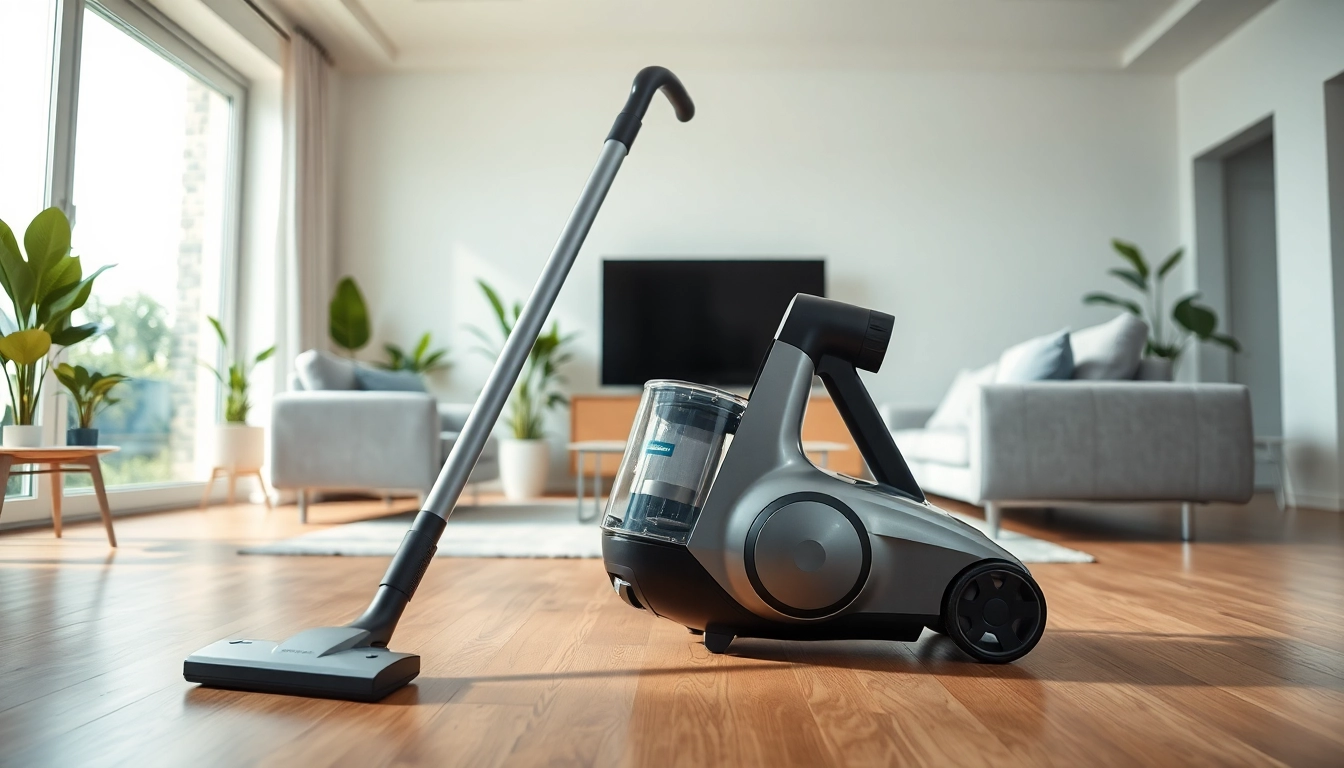
Understanding the Types of Vacuum
When it comes to cleaning your home, selecting the right type of vacuum is crucial to maximizing efficiency and effectiveness. There are several varieties of vacuums available, each suited to different cleaning needs and preferences. By exploring the different types, you can better determine which vacuum aligns with your unique requirements. In this guide, we will delve into three popular types: upright vacuums, canister vacuums, and robot vacuums. Vacuum options abound, so understanding their unique benefits is essential for making an informed decision.
Upright Vacuum: A Classic Choice
The upright vacuum has long been a staple in households due to its simple design and powerful suction capabilities. These vacuums typically feature a brush roll that agitates dirt and debris, making it particularly effective on carpets. With easy maneuverability, many models allow users to transition seamlessly between carpeted and hard floor surfaces, although some may require specific adjustments.
Advantages of upright vacuums include their compact storage ability and often larger capacity dust bins compared to other types. They are ideal for homes with extensive carpeted areas, capable of covering large spaces quickly. Many upright models also come equipped with various attachments that enhance their versatility, catering to different cleaning scenarios.
Canister Vacuum: Versatile and Efficient
For those seeking flexibility in their cleaning routine, canister vacuums present an excellent alternative. Unlike upright vacuums, canisters feature a long hose and a separate, wheeled canister unit. This design allows for ease of movement and access to hard-to-reach areas, such as under furniture or along stairs. Canister vacuums are particularly well-suited for homes with a combination of carpet and hard floors.
MoAdditionally, these vacuums often come with a variety of attachments for different surfaces, including upholstery tools, dusting brushes, and crevice tools. Their lightweight nature makes them easier to handle, ensuring thorough cleaning without the strain. However, users should consider their storage space, as canister vacuums can be bulkier than upright models.
Robot Vacuum: Automating Your Cleaning
In recent years, robot vacuums have gained immense popularity due to their innovative technology and convenience. These devices autonomously navigate your home, utilizing sensors to detect and avoid obstacles while targeting dirt and dust. Ideal for busy households, robot vacuums can be scheduled to clean at predetermined times, ensuring cleanliness with little human intervention.
While robot vacuums are proficient at maintaining surface cleanliness, they tend to have smaller dust bins and may not provide the deep cleaning capabilities of uprights or canisters. Buyers should take into account the layout of their home, as robot vacuums may struggle in complicated spaces. However, the convenience and hands-free operation make them an appealing option for many homeowners.
Features to Consider When Choosing a Vacuum
When selecting a vacuum, it is important to take into consideration various features that can enhance your cleaning experience. Understanding these characteristics can help you choose a model that best fits your home’s specific demands.
Suction Power: The Heart of Your Vacuum
Suction power is perhaps the most critical factor to consider when evaluating a vacuum. A vacuum's ability to pick up dust, dirt, and debris relies heavily on the strength of its suction. This can vary significantly between models and types. When assessing suction power, look for specifications such as air watts or cubic feet per minute (CFM) to gauge performance.
Moreover, consider whether the vacuum has adjustable suction settings. For example, lower settings may be better suited for delicate surfaces like draperies, while higher settings are essential for deep cleaning carpets. Choosing a vacuum with reliable suction power ensures that cleaning is effective and efficient.
Filtration Systems: Keeping Allergens at Bay
Another vital feature to examine is the filtration system. High-efficiency particulate air (HEPA) filters are particularly beneficial for households with allergies, as they capture 99.97% of particles as small as 0.3 microns. This includes dust, pollen, pet dander, and other allergens that can affect indoor air quality.
Ensure that the vacuum you choose features a quality filtration system, especially if anyone in your home struggles with allergies or respiratory issues. Consider models equipped with washable filters to reduce maintenance costs while maintaining optimal performance.
Weight and Maneuverability: Ensuring Comfort
Weight and maneuverability are essential aspects to evaluate when choosing a vacuum that suits your cleaning needs. Ideally, you want a model that is lightweight and easy to push or carry across various surfaces. Consider how often you need to transport the vacuum from room to room, or from floor to floor, particularly if you have a multi-story home.
A vacuum's design should also allow for easy navigation around furniture and tight corners. Models that incorporate swivel steering or a flexible hose can make the cleaning experience more comfortable and efficient. Test out vacuums at the store, if possible, to gauge their weight and maneuverability before making a purchase.
Common Vacuuming Challenges and Solutions
Even the best vacuum can present challenges during use, but being prepared is half the battle. Understanding common issues and their solutions will ensure that your cleaning routine remains as efficient as possible.
Dealing with Pet Hair: Specialized Attachments
For pet owners, tackling pet hair can be one of the most frustrating aspects of cleaning. Regular vacuums may struggle to capture stubborn fur that clings to carpets and upholstery. To address this challenge, consider vacuums that come equipped with specialized attachments designed for pet hair removal.
Brush heads specifically designed for pet hair can help pull fibers from carpets, while rubberized tools can attract hair from furniture. Additionally, scheduled cleaning sessions can prevent the build-up of fur and dander, making it easier to maintain a clean home.
Narrow Spaces: Choosing the Right Design
Navigating narrow spaces poses a significant challenge for many vacuum users. Traditional upright vacuums can struggle to fit in tight corners or along narrow hallways. In such cases, opting for a canister vacuum or a model with a slim design can enhance accessibility.
Additionally, utilize crevice tools and attachments that come with many vacuums to reach those tricky spots. Cleaning these areas regularly prevents dust accumulation and helps maintain a tidy living environment.
Carpet vs. Hard Floors: Optimal Settings
Different flooring types require unique cleaning methods for optimal results. Carpets typically require higher suction power and agitation to dislodge dirt and debris, whereas hard floors benefit from softer brushes to avoid scratches. Many modern vacuums offer adjustable settings to accommodate both surfaces.
Before using your vacuum, take a moment to adjust the settings according to the type of flooring you are cleaning. This small step can prevent potential damage and ensures that your vacuum delivers the best performance for your cleaning needs.
Maintenance Tips for Your Vacuum
Proper maintenance is essential for prolonging the lifespan of your vacuum and ensuring consistent performance. By taking care of your vacuum, you can avoid costly repairs and ensure its effectiveness over time.
Regular Filter Replacement: Ensuring Efficiency
Regular filter replacement is one of the simplest yet most effective ways to maintain your vacuum's efficiency. Clogged or dirty filters can significantly diminish suction power and affect overall performance. Check your manufacturer’s recommendations on how often filters should be replaced, as this can vary by model and usage frequency.
Some vacuums also feature washable filters, allowing you to clean them regularly instead of replacing them. It's essential to follow the specific care instructions to ensure longevity and maintain optimal suction.
Cleaning Brush Rolls: Preventing Clogs
Over time, hair and debris can accumulate around the brush roll, reducing effectiveness and creating potential clogs. Regularly inspecting and cleaning the brush roll is vital for maintaining optimal performance, especially for pet owners.
To clean the brush roll, remove the roller from your vacuum, and cut away any tangled hair or debris using scissors. Ensure to refer to your user manual for specific instructions, as some designs may require particular techniques for removal.
Storing Your Vacuum: Prolonging Lifespan
Safe and proper storage of your vacuum can significantly impact its lifespan. Store vacuums in a cool, dry area to prevent damage from moisture or extreme temperatures. Avoid overstretching the power cord by wrapping it loosely around the storage area, preventing wear and tear.
If your vacuum comes with a dusting brush or other attachments, consider storing them together to always have the tools you need on hand. Finally, routine cleaning ensures that your vacuum remains ready for use whenever needed.
Performance Metrics to Evaluate Your Vacuum
When evaluating a vacuum’s performance, several metrics provide valuable insights into its efficiency and usability. Familiarizing yourself with these metrics will help you make a more informed choice.
Understanding Suction Tests
Suction tests measure a vacuum's ability to pick up dirt and debris from different types of surfaces. These tests can range from measuring air watts to evaluating how well the vacuum performs on both carpets and hard floors. When considering a purchase, look for test results that highlight how well the vacuum performs according to your specific cleaning needs.
Some vacuums also provide information about the airflow, which is crucial for understanding how effectively they pick up debris. A vacuum with better airflow will generally deliver better overall cleaning results.
Noise Levels and User Experience
Noise levels are a significant consideration for many users, especially in households with children or pets. A vacuum that operates quietly can enhance the user experience by minimizing disruptions. Pay attention to decibel ratings, as lower ratings indicate quieter operation.
Using sound-dampening technology, some vacuums are designed specifically to operate more quietly without sacrificing performance. Consider user reviews for insights on noise levels during typical usage to ensure you choose a model that aligns with your preferences.
Energy Efficiency Ratings
Energy efficiency ratings indicate how much energy your vacuum will consume while in operation. As awareness grows regarding energy conservation and utility bills, many consumers are seeking out energy-efficient models. Check for Energy Star ratings or similar certifications that provide assurance regarding a vacuum’s energy consumption.
Choosing an energy-efficient vacuum can not only reduce costs over time but also contribute positively to the environment. Consider this metric an important aspect of your vacuum selection process.