Understanding the Importance of Vapor Barrier Installation
Why Vapor Barriers are Essential
Vapor barriers serve a crucial function in safeguarding homes from the adverse effects of moisture. By acting as a barrier between the ground and the structure, they prevent water vapor from rising and infiltrating the living spaces. This is especially important in areas like crawl spaces, basements, and poorly ventilated regions where moisture can accumulate, leading to various issues such as mold growth and structural damage. Proper Vapor Barrier Installation not only protects your property but also contributes to a healthier indoor environment.
Common Risks of Not Installing a Vapor Barrier
Foregoing the installation of a vapor barrier can result in severe consequences. One of the most significant risks is moisture intrusion, which can lead to mold and mildew, negatively affecting indoor air quality. These fungi can cause health issues, particularly in individuals with respiratory conditions. Additionally, excessive moisture can weaken the foundation and framing of the home, resulting in costly repairs. Uncontrolled moisture levels can also attract pests, such as termites, which thrive in humid environments.
Vapor Barrier Installation Benefits
There are numerous benefits to installing a vapor barrier in your home. Primarily, it enhances energy efficiency by reducing the workload on HVAC systems. This can lead to lower utility bills, as your heating and cooling efforts won't be compromised by excessive humidity. Additionally, a well-installed vapor barrier protects foundational integrity, thus extending the lifespan of your property. Furthermore, it contributes to improved air quality, promoting a healthier living environment by minimizing allergens and irritants.
Key Materials Required for Vapor Barrier Installation
Choosing the Right Vapor Barrier Material
The selection of vapor barrier materials is pivotal for effective moisture control. The most commonly used material is high-density polyethylene sheeting. It is available in various thicknesses, with 6-mil and 10-mil being the most popular for residential installations. The thicker the material, the more resilient it is against punctures and tears. Other materials, such as foil-faced vapor barriers, are also available for applications where a reflective surface is needed to reduce heat transfer.
Tools Needed for Installation
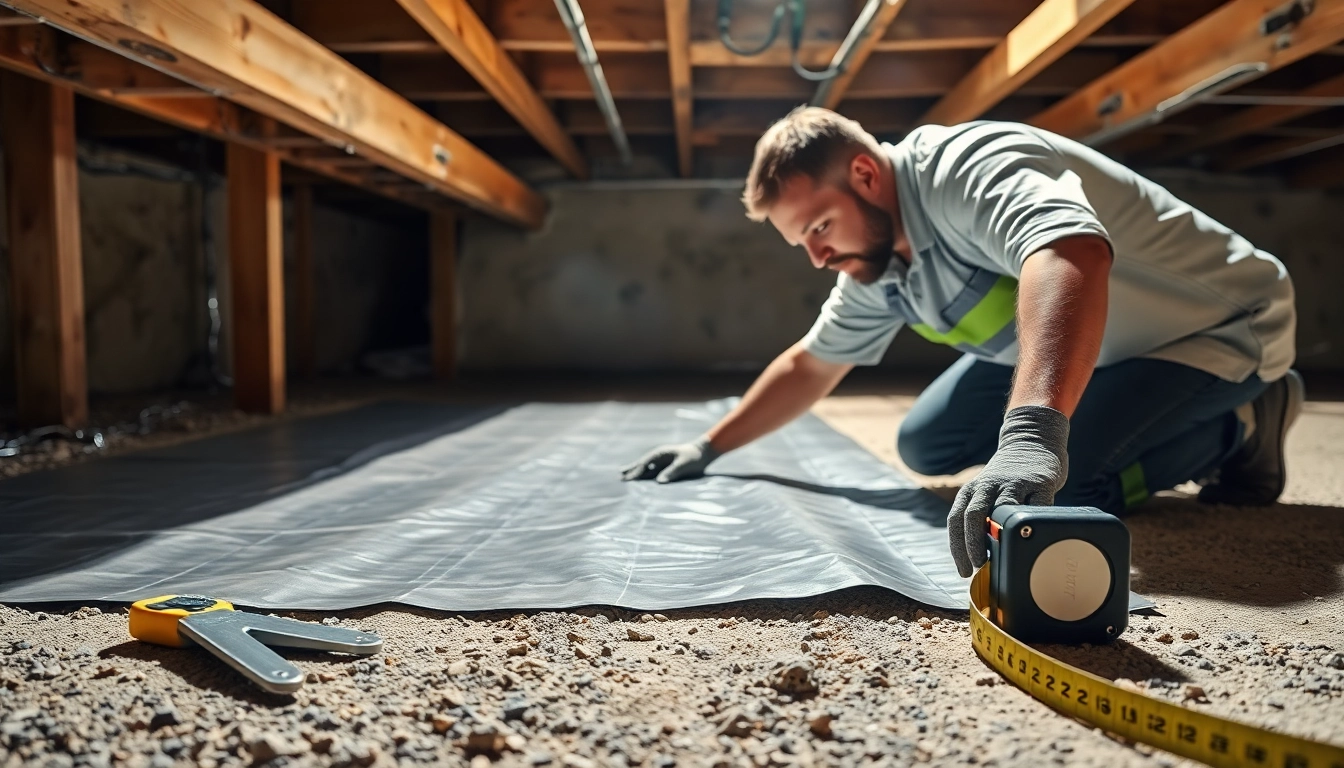
The installation process requires a specific set of tools to ensure accuracy and safety. Essential tools include a utility knife for cutting the vapor barrier material, measuring tape for precise dimensions, a straight edge for clean cuts, and staples or double-sided tape for securing the barrier. A heavy-duty plastic squeegee may also be useful for eliminating air bubbles and ensuring a smooth application.
Safety Equipment for Effective Installation
Safety should always be a priority when undertaking any home project, including vapor barrier installation. Proper safety equipment includes gloves to protect your hands from sharp edges and rough surfaces, safety goggles to shield your eyes from dust and debris, and a dust mask if you're working in an area with potential allergens or mold spores. Ensuring you have the right safety gear will help mitigate any risks during the installation process.
Step-by-Step Guide to Vapor Barrier Installation
Preparing the Crawl Space
Before commencing with the installation, it's imperative to prepare the crawl space adequately. Begin by clearing out any debris and ensuring the area is dry. It's advisable to conduct a thorough inspection for any signs of existing mold or moisture damage. If such issues are present, they must be addressed before proceeding. Proper ventilation should also be confirmed, as this aids in maintaining optimal conditions for effective vapor barrier performance.
Installing the Vapor Barrier Correctly
To install the vapor barrier, measure the crawl space dimensions and cut the polyethylene sheeting accordingly, allowing for some overage. Lay the barrier across the crawl space floor, ensuring it extends up the walls by at least 12 inches for optimal coverage. Use staples or double-sided tape to secure the barrier to the walls, ensuring a tight fit. Overlap seams by a minimum of 12 inches and seal them properly with compatible tape to prevent moisture escape.
Sealing and Finishing Touches
After the barrier is laid down and secured, it’s essential to seal any access points carefully. This includes ensuring all seams are taped and corners are secured. Any penetrations for plumbing or electrical incongruities should be sealed meticulously to avoid moisture entry. Finally, conduct a thorough inspection of the installation to ensure that all areas are well-covered and that there are no gaps or vulnerabilities.
Best Practices for Maintaining Your Vapor Barrier
Regular Inspections and Maintenance
To ensure the longevity and efficacy of your vapor barrier, conducting routine inspections is crucial. Ideally, you should inspect your vapor barrier at least once a year or following heavy rainfall events. Look for signs of wear, tears, or punctures that may have developed over time. Keeping an eye on the moisture levels in the crawl space helps in evaluating the barrier's performance.
Signs That Indicate a Problem
There are several indicators that may signify issues with your vapor barrier. These include visible mold growth, a musty odor in the crawl space, condensation on the barrier, or signs of water pooling. If you notice any of these signs, it's crucial to conduct further evaluations and address the underlying issues promptly to prevent further damage.
How to Repair Damaged Vapor Barriers
If you find that your vapor barrier has sustained damage, repairs are often straightforward. Small tears can typically be patched using tape designed for vapor barriers. For more significant damage, consider replacing the affected section entirely. Ensure that the new piece is adequately sealed to maintain its integrity against moisture intrusion.
FAQs About Vapor Barrier Installation
What is a vapor barrier?
A vapor barrier is a material used to prevent moisture from seeping into homes, especially in crawl spaces.
How do I know if I need a vapor barrier?
If your crawl space is damp or has visible water, a vapor barrier is necessary to protect your foundation.
Can I install a vapor barrier myself?
Yes, but proper tools and techniques are essential for effective and lasting installation.
What materials are best for a vapor barrier?
The best materials include polyethylene sheeting, which is durable and effective against moisture.
How often should I check my vapor barrier?
Inspect your vapor barrier annually or after heavy rains to ensure it remains intact and functional.