Understanding the Fundamentals of Gardening
Gardening is an enriching hobby that connects us to nature while providing numerous benefits, from fresh produce to beautiful flowers. To embark on your Gardening journey, understanding its foundational aspects is critical. This section will break down essential components, including soil preparation, plant selection, and effective watering techniques.
Soil Preparation: The Foundation of Healthy Plants
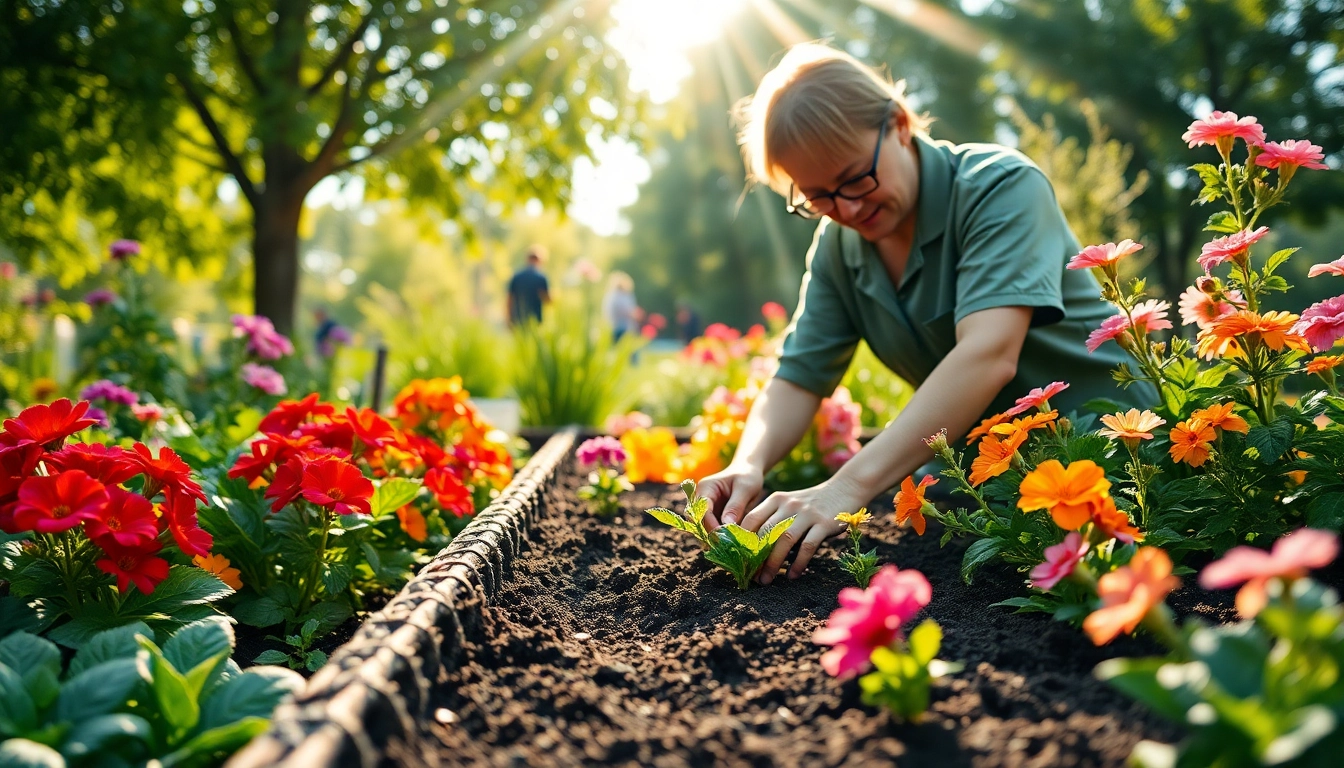
Soil is often referred to as the "soul" of gardening. It acts as the primary medium through which plants receive nutrients, water, and support. Proper soil preparation enhances plant health and promotes robust growth. Here’s how to prepare your soil effectively:
- Testing Soil Quality: Begin with a soil test kit to assess pH levels, nutrient availability, and organic matter content. Most plants thrive in slightly acidic to neutral soil (pH 6.0-7.0).
- Amending the Soil: Based on your soil test results, you might need to add organic matter such as compost, well-rotted manure, or peat moss. These amendments improve soil fertility, structure, and moisture retention.
- Tilling and Aeration: Turn the top 12 inches of soil to aerate it effectively. This process helps improve drainage and root penetration.
- Weed Control: Clear the garden bed of any weeds before planting. Weeds compete for nutrients, water, and light, which can hinder the growth of your desired plants.
Choosing the Right Plants for Your Climate
Selecting plants that are well-suited to your local climate is essential for gardening success. Consider the following:
- Know Your Hardiness Zone: The USDA Plant Hardiness Zone Map divides regions based on minimum winter temperatures. Research your zone to select plants that can survive your local climate.
- Consider Seasonal Variations: Choose plants that thrive in your region's typical seasonal conditions. Annuals may be more suitable for summer gardens, while perennials can flourish year-round in some areas.
- Native Plants: Opting for native species often results in a resilient garden, as these plants are adapted to local soils, pests, and climatic conditions. They require less maintenance and water than non-native species.
Watering Techniques: Keeping Your Garden Hydrated
Effective watering techniques are fundamental to maintaining a healthy garden. Here are several methods:
- Deep Watering: Rather than frequent shallow watering, invest in deep watering. This method encourages roots to grow deeper into the soil where moisture is consistently available.
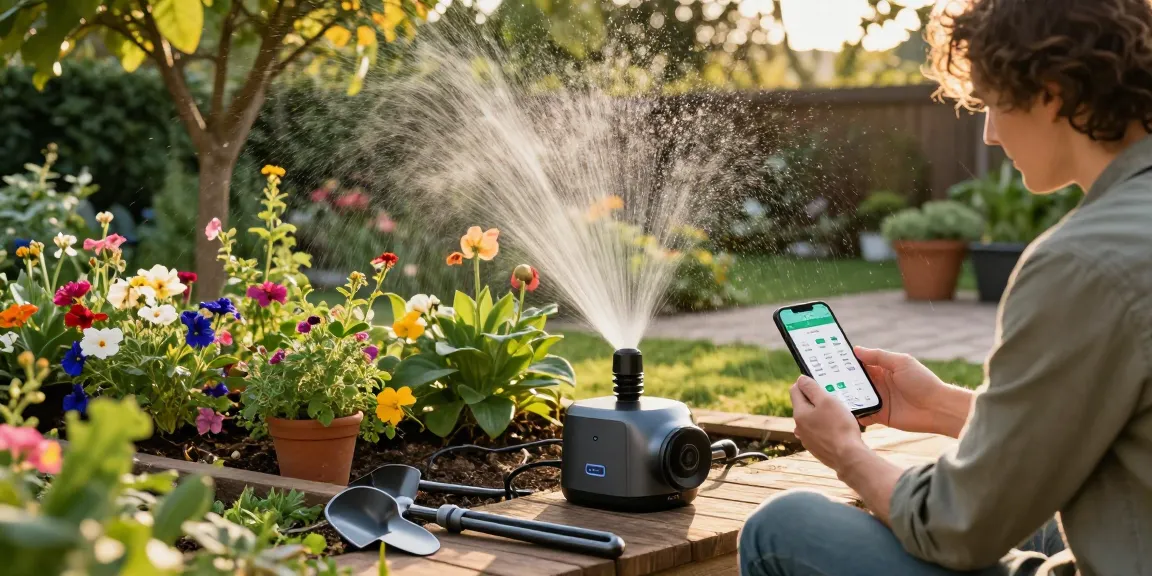
- Drip Irrigation: Installing a drip irrigation system can provide a consistent output of water directly to your plants' roots, minimizing water waste and reducing evaporation.
- Watering Timings: Water your garden either early in the morning or late in the afternoon when temperatures are cooler to minimize evaporation losses.
Essential Gardening Tools and Their Uses
Equipping yourself with the right gardening tools is crucial for efficient gardening. Each tool serves a specific purpose, allowing you to carry out tasks effectively.
Must-Have Tools for Beginners
As a beginner gardener, you don’t need an arsenal of expensive tools. Instead, focus on these essentials:
- Trowel: A versatile hand tool used for digging, transplanting, and removing weeds.
- Hand Pruner: Ideal for trimming and shaping plants, enhancing growth and health.
- Watering Can: Use it for gentle watering of young plants or delicate flowers.
- Garden Fork: Perfect for loosening and aerating soil before planting. It can also be used for cultivating soil and mixing in amendments.
Advanced Tools for Seasoned Gardeners
Once you have gained some experience, consider investing in these more advanced tools:
- Rototiller: Useful for breaking up large areas of soil quickly, especially prior to planting.
- Pruning Saw: Essential for cutting larger branches and shaping trees more effectively than standard pruners.
- Row Marker: Helps in planting seeds and bulbs with precision for uniform growth.
- Soil Moisture Meter: This tool eliminates guesswork by measuring soil moisture levels, preventing over- or under-watering.
How to Maintain and Care for Your Tools
Tool maintenance is vital for longevity and effectiveness. Here are some maintenance tips:
- Keep Clean: After each use, clean your tools with soap and water. For stubborn soil, use a wire brush.
- Sharpen Blades: Regularly sharpen cutting tools, such as pruners and shears, to ensure clean cuts and reduce damage to plants.
- Store Properly: Store tools in a dry place to prevent rust. Consider hanging them or using racks to keep them organized and out of the elements.
Creating a Sustainable Gardening Environment
Sustainable gardening practices not only promote environmental health but also enhance your planting experience. Here are steps to cultivate a more sustainable garden:
Composting: Turning Waste into Gold
Composting is a fundamental practice for any sustainable gardener. It involves recycling organic waste into nutrient-rich soil amendments. Here’s how to get started:
- Selecting Materials: Use a mix of "green" materials (nitrogen-rich items like fruit scraps, grass clippings, and coffee grounds) and "brown" materials (carbon-rich items like leaves and cardboard).
- Maintaining Aeration: Turn your compost pile regularly to aerate it, facilitating faster decomposition and preventing odors.
- Moisture Control: Keep your compost moist, but not soggy. The ideal moisture level resembles that of a damp sponge.
Natural Pest Control: Eco-Friendly Solutions
Controlling pests in a sustainable way involves using natural methods rather than chemical pesticides. Explore the following techniques:
- Encourage Beneficial Insects: Planting flowers that attract ladybugs or lacewings can help control aphid populations.
- DIY Solutions: Utilize homemade sprays, like soapy water or neem oil, to deter unwanted insects without harming beneficial ones.
- Crop Rotation: Changing your planting schemes annually can disrupt pest cycles, reducing infestations.
Diversity in Planting: Benefits of Companion Planting
Companion planting involves growing different species together for mutual benefits. This practice promotes biodiversity and can lead to healthier plants. Consider these pairings:
- Tomatoes and Basil: Basil repels harmful insects while enhancing the flavor of tomatoes.
- Carrots and Onions: Both species help deter pests that may affect each other, such as carrot flies and onion flies.
- Marigolds and Vegetables: Marigolds act as natural pest repellents and can lure beneficial insects, enhancing pollination.
Innovative Gardening Techniques to Enhance Growth
Advancements in gardening techniques provide exciting opportunities for enhancing plant growth and maximizing limited spaces. Here are a few innovative methods:
Vertical Gardening: Maximizing Space in Small Areas
Vertical gardening is an effective solution for urban gardeners or those with limited outdoor space. By planting upward, you can grow a variety of plants without requiring extensive ground space.
- Using Trellises: Install trellises for climbing plants like peas, beans, or cucumbers, promoting healthy growth and maintaining easy access.
- Wall Planters: Utilize wall-mounted planters or pocket systems to grow herbs and flowers vertically, creating an eye-catching decor feature while increasing planting area.
- Hanging Baskets: Perfect for trailing plants and maximizing space, hanging baskets can be displayed on patios or balconies while also elevating your gardening experience.
Hydroponics: Soil-Free Gardening
Hydroponics is a revolutionary technique that allows plants to be grown without soil, relying instead on nutrient-rich water. Here are some important aspects:
- Types of Hydroponic Systems: Explore various systems, such as nutrient film technique (NFT) or deep water culture (DWC), each offering unique benefits for different types of plants.
- Monitoring Nutrients: Regularly check nutrient levels and pH in your hydroponic system to ensure optimum plant health and avoid deficiencies.
- Space Efficiency: Hydroponic systems are generally more space-efficient than traditional gardening, enabling higher yields in smaller areas.
Permaculture Principles for Long-Term Success
Permaculture is a comprehensive approach to gardening that considers the interconnections in ecosystems. Here’s how to incorporate permaculture principles:
- Design for Diversity: Include a mix of plants that support and enhance each other, creating a self-sustaining system.
- Utilize Zones: Organize your garden into zones based on how frequently they need maintenance or attention to streamline your gardening efforts.
- Emphasize Sustainability: Prioritize regenerative practices such as composting and rainwater harvesting to create a resilient gardening system.
Maintaining Your Garden Year-Round
Year-round maintenance ensures the longevity and productivity of your garden. Here are key practices for continual care:
Seasonal Gardening: What to Plant and When
Understanding seasonal rotations and planting schedules helps optimize garden output:
- Spring: Focus on planting cool-season crops like lettuce, peas, and radishes early in the season.
- Summer: Transition to heat-loving crops such as tomatoes, peppers, and cucumbers as the temperatures rise.
- Fall: Plant late-season vegetables like kale, carrots, and garlic, which can thrive in cooler weather.
Winterizing Your Garden: Preparation for Cold Months
Preparing your garden for winter is essential for protecting plants and ensuring a healthy start in spring:
- Mulching: Apply a layer of mulch to insulate plants and protect roots from freezing temperatures.
- Covering Vulnerable Plants: Use row covers or frost cloths for sensitive plants that need extra protection from harsh conditions.
- Cleaning Up Debris: Remove dead plants and weeds to reduce pest habitats and prevent diseases during winter.
Evaluating Garden Performance: Metrics for Success
Regular evaluations can enhance your gardening practices over time:
- Harvest Records: Keep track of the yields from various plants to identify which varieties perform best and optimize future planting.
- Pest and Disease Tracking: Note any pest issues or disease outbreaks to adjust management strategies and learn proactive measures.
- Soil Tests: Conduct soil tests periodically to monitor changes in soil health and amend accordingly.