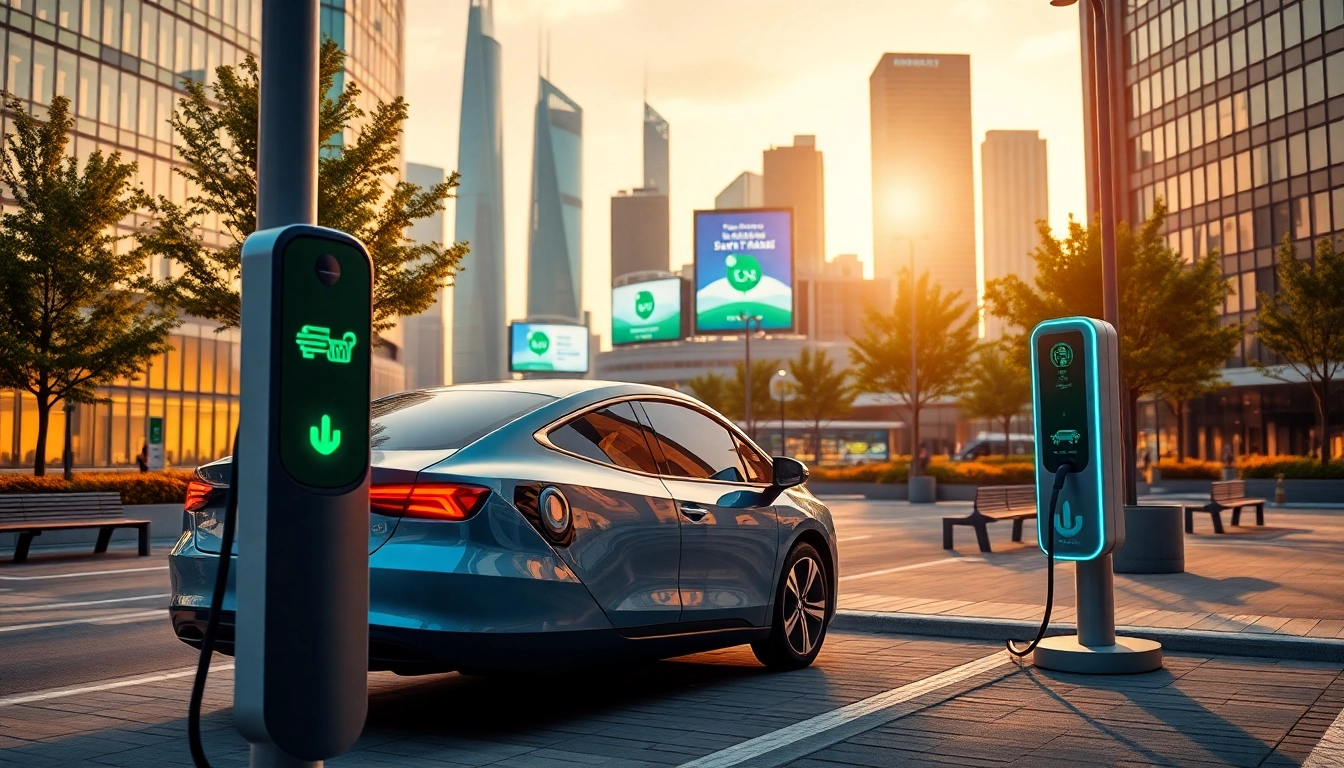
Understanding EV Charging Infrastructure
The world of electric vehicle (EV) charging is continuously evolving, driven by technological innovations and changing consumer preferences. As the adoption of electric vehicles increases, understanding the underlying infrastructure of EV charging becomes vital. This topic has significant implications for urban planning, economic growth, and sustainability goals globally. For those seeking the latest updates and insights, comprehensive EV charging news is essential to remain informed.
The Evolution of Charging Stations
Historically, charging stations were limited in number and functionality. Initially, they were designed primarily for home use, with basic Level 1 chargers that offered slow charging options through standard home outlets. As the EV market began to flourish, especially with the introduction of more affordable electric vehicles, the need for faster and more widespread charging solutions became apparent.
The introduction of Level 2 chargers represented a significant upgrade, allowing for faster charging times suitable for public and commercial use. However, it was the development of DC fast charging stations that truly revolutionized the EV charging landscape. These stations can recharge a vehicle’s battery to 80% in just 30 minutes, reducing wait times and enhancing the practicality of owning an electric vehicle.
As we move forward, the evolution of charging stations also includes expanded accessibility. Many cities are now integrating charging points into public infrastructure, such as parking garages, highways, and popular destinations, to alleviate concerns over charging availability.
Types of EV Chargers Available
The EV charging landscape can be categorized into several types of chargers, each serving distinct purposes:
- Level 1 Chargers: These are home-based chargers that typically use a standard household outlet, providing limited charging capabilities—primarily suitable for overnight charging.
- Level 2 Chargers: Offering faster charging, Level 2 chargers are widely used in both residential and commercial settings. They require specialized equipment but significantly reduce charging time compared to Level 1.
- DC Fast Chargers: Favored for their speed, these chargers are suitable for public charging stations, allowing drivers to recharge quickly during road trips. They utilize direct current, enabling higher voltage and faster charging rates.
- Wireless Chargers: An emerging technology allows for charging without plugs or cables. While still in the experimental phase, these systems promise convenient charging solutions in the future.
Understanding these types of chargers is critical for consumers and businesses alike, as it enables informed decisions regarding installation, usage, and overall convenience.
Current Trends in EV Charging Technology
As the EV market matures, several key trends have emerged in charging technology:
- Integration with Smart Technology: Smart chargers offer features like scheduling, remote access, and energy monitoring, enhancing user experience and maximizing efficiency.
- Renewable Energy Integration: Many charging stations are now being paired with renewable energy sources, such as solar power, allowing for sustainable charging options while reducing grid dependence.
- Ultra-Fast Charging Solutions: Innovations are continually pushing the limits of charging speed, with some solutions proposing charging times as low as 10 minutes for certain vehicles.
- Mobile Payment and Reservation Systems: The implementation of mobile applications for easy payment and reservation can significantly enhance the user experience by minimizing wait times and improving convenience.
These trends collectively aim to make the charging experience more accessible and user-friendly, further promoting the transition towards electric mobility.
Consumer Perspectives on EV Charging News
Despite advancements in EV charging technology, consumer perceptions significantly impact the adoption of electric vehicles. Understanding these perspectives is crucial in addressing barriers and enhancing the overall EV experience.
Perceptions of Charging Accessibility
One of the most significant concerns for potential electric vehicle owners is the perceived accessibility of charging stations. Many consumers are still wary of the availability of charging stations, especially in regions lacking infrastructure. Public surveys consistently reveal that while awareness of charging networks has improved, many consumers still believe that charging stations are not sufficiently located. This sentiment can deter consumers from switching to electric vehicles.
To mitigate these concerns, cities and companies are expanding the network of charging stations to include more locations, such as shopping centers, workplaces, and community hotspots. Aggressive governmental incentives and public-private partnerships are also being utilized to bolster infrastructure, thereby improving perceptions around charging accessibility.
Range Anxiety and Overcoming Barriers
Range anxiety—the fear that an electric vehicle will not have enough power to reach its destination—is a prevalent issue among potential EV owners. This concern is often compounded by the uncertainty surrounding charging station locations and wait times.
Recent studies have shown that as the charging infrastructure improves, consumer confidence also increases. Many drivers are now finding that if they plan their routes carefully and utilize available charging apps, range anxiety is significantly diminished. Additionally, advancements in battery technology are leading to longer ranges for electric vehicles, further alleviating fears.
Consumer Feedback on Charging Experiences
Consumer feedback regarding charging experiences is mixed. While some appreciate the convenience of home charging and the decreasing charging times at public stations, others express frustration with inconsistent charging station functionality. Users have reported long waits at busy stations and a lack of reliability with certain chargers, which can negatively affect the overall EV experience.
Positive experiences often highlight quick turnaround times at fast chargers and the joy of effortlessly charging at home overnight. Addressing feedback and improving the reliability and accessibility of charging stations will be paramount in encouraging broader adoption of electric vehicles.
Innovations in EV Charging Solutions
Innovation within the EV charging ecosystem focuses on enhancing user convenience, reducing environmental impact, and maximizing efficiency in charging technology. Various forward-thinking solutions are currently being explored and implemented globally.
Rapid Charging Technologies Explained
Rapid charging technologies aim to drastically reduce the time an electric vehicle needs to recharge. Innovations such as ultra-fast DC chargers are a vital part of this trend. These chargers can deliver high power in a short amount of time and have been instrumental in decreasing the duration of pit stops on long journeys.
Moreover, some manufacturers are developing battery technology that can handle higher charging speeds without suffering from detrimental thermal effects, improving safety and user experience. As these technologies mature, the convenience of recharging will closely resemble that of refueling conventional vehicles.
Integration with Renewable Energy Sources
The integration of renewable energy sources into the EV charging infrastructure is becoming increasingly prevalent. Solar-powered charging stations, for instance, not only facilitate clean charging but also alleviate strain on the electrical grid. During peak solar hours, these stations can harvest energy, providing direct charging while minimizing reliance on traditional energy sources.
Such solutions contribute to a more sustainable approach to electric mobility, aligning perfectly with global climate goals and encouraging eco-friendly practices among consumers.
Smart Charging and Its Benefits
Smart charging technology is at the forefront of the EV revolution. By leveraging connectivity and data analytics, smart chargers can optimize energy use, reduce costs, and enhance the user experience. Key benefits include:
- Dynamic Load Management: Smart chargers can adjust the charging speed based on grid conditions or the user’s preferences, ensuring efficient energy use.
- Remote Monitoring and Control: Users can manage their charging sessions through mobile applications, allowing for scheduling and monitoring energy consumption.
- Incentive Programs: Utility companies can offer financial incentives for charging during off-peak hours, promoting energy efficiency and cost savings for users.
Smart charging represents a paradigm shift in not only how electric vehicles are charged but also how consumers interact with their charging infrastructure.
Government Policies Impacting EV Charging News
Government policies play a pivotal role in shaping the electric vehicle landscape, influencing everything from infrastructure development to consumer incentives. Understanding these policies is crucial for stakeholders within the EV ecosystem.
Incentives for EV Charger Installation
To support the growth of electric vehicles, many governments are providing various incentives for the installation of EV chargers. These programs vary widely, ranging from tax credits for businesses that install public charging stations to funds for residential charging unit purchases. Such initiatives significantly lower the financial barrier for consumers and businesses considering the switch to electric mobility.
Incentives are also directed at integrating chargers into new urban developments, ensuring that charging infrastructure is part of the planning process from the outset. These measures help to create an environment conducive to electric vehicle adoption.
Legislation Supporting EV Infrastructure
Legislative efforts to promote electric vehicle adoption often focus on establishing regulations that facilitate the development of charging networks. This includes not only the construction of charging stations but also for businesses to meet certain standards when installing charging infrastructure.
Recent legislative changes have aimed to streamline zoning permissions for charger installations, thus encouraging private and public sectors to invest in charging infrastructure. Such supportive regulations can accelerate the pace at which charging stations are built, directly influencing consumer adoption rates.
Future Projections for EV Charging Networks
The trajectory of EV charging networks is set for rapid expansion. Projections indicate a rise in the number of fast-charging stations as consumer demand continues to grow. This expansion will be vital in alleviating range anxiety and ensuring that all drivers have access to reliable charging.
Future networks are likely to include a diversified range of charger types, catering to different consumer needs—from fast chargers along highways for long-distance travel to slower chargers in urban settings for everyday use. Moreover, integrating renewable energy sources within charging networks will further enhance sustainability efforts.
The Future of EV Charging in Urban Areas
As urban areas face significant challenges with traffic congestion and pollution, the implementation of efficient EV charging infrastructure can play a transformative role in creating sustainable cities. It is essential to examine successful case studies and develop strategies that maximize benefits.
Case Studies of Successful Charging Networks
Numerous cities worldwide have successfully implemented EV charging networks that significantly enhance urban mobility. For example, one city integrated charging stations into public transportation hubs, allowing drivers and commuters easy access to charging while reducing the need for many separate charging points. Additionally, partnerships with local businesses to provide charging spots on commercial properties have led to a robust network that meets public demand.
Another successful case study can be found in cities that have utilized technology to monitor charger usage effectively. This real-time data aids in optimizing charger placements and understanding consumer behavior, further informing future infrastructure improvements.
Strategies for Urban Planning around EV Charging
Urban planners must develop carefully considered strategies for incorporating EV charging stations into existing infrastructure. This includes identifying high-traffic areas, such as shopping centers or transit hubs, for strategic charger placement. Furthermore, community involvement can play a key role in determining where charging stations are needed most.
Collaboration between governmental agencies, businesses, and the community can help create an integrated approach, where EV charging stations complement existing urban utilities and services.
The Role of EV Charging in Sustainable Cities
The role of EV charging in sustainable urban environments is profound. By reducing the need for fossil fuel dependency, enhanced charging networks can lead to cleaner air and a decrease in greenhouse gas emissions. Furthermore, well-designed charging infrastructures can encourage consumers to make the switch to electric vehicles.
Moreover, as cities aim for net-zero emissions, prioritizing EV charging within urban planning aligns with broader environmental goals. The future of urban environments hinges on how effectively we can integrate electrification efforts with sustainable practices.