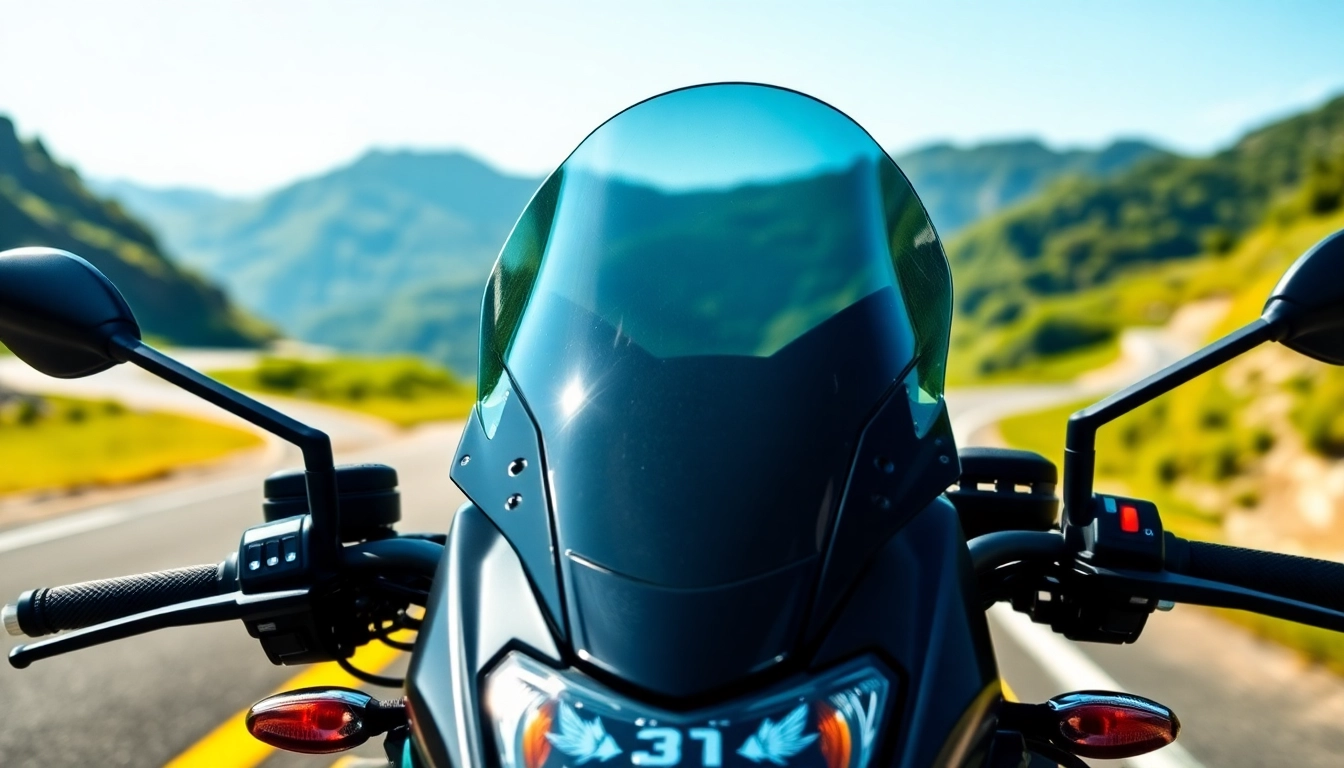
Understanding the Importance of Motorcycle Windscreen
When riding a motorcycle, comfort and safety top the list of priorities for riders. A crucial element that can significantly enhance both aspects is the motorcycle windscreen. This often-overlooked accessory plays a vital role in shielding the rider from wind, debris, and adverse weather, thus contributing to a more enjoyable riding experience. In this article, we will delve deep into the various facets of motorcycle windscreens, exploring their importance, types, installation, maintenance, and their impact on riding performance.
What is a Motorcycle Windscreen?
A motorcycle windscreen, often called a fairing or shield, is a transparent protective barrier mounted on a motorcycle. Typically made from materials such as acrylic or polycarbonate, these screens are designed to deflect wind and debris away from the rider. Available in different shapes and sizes, motorcycle windscreens can be customized to suit various styles and preferences, ensuring that each rider can enjoy a tailored protection experience.
Key Benefits of Using a Motorcycle Windscreen
The benefits of installing a motorcycle windscreen extend far beyond aesthetics. Here are some of the key advantages:
- Wind Protection: Windscreens significantly reduce wind resistance, allowing riders to maintain higher speeds with less fatigue.
- Debris Shielding: They protect riders from flying debris, insects, and road particles that could distract or hurt while riding.
- Improved Aerodynamics: Many motorcycle windscreens are designed with aerodynamics in mind, which enhances the bike's stability and performance.
- Weather Resistance: Windscreens provide a barrier against rain and adverse weather conditions, improving visibility and comfort.
- Style Enhancement: They complement the motorcycle's aesthetics, allowing for customization and personalization.
Common Materials Used in Motorcycle Windscreens
Understanding the materials used in the construction of motorcycle windscreens is crucial for making informed choices. The most common materials include:
- Acrylic: Lightweight and cost-effective, acrylic is a popular choice due to its clarity and ease of shaping. However, it can scratch more easily than other materials.
- Polycarbonate: Known for its impact resistance, polycarbonate is a durable option that stands up well against harsh conditions. While it is more expensive, it offers superior protection against flying debris.
- Glass: Although not commonly used in modern motorcycle windscreens due to weight and fragility, some high-end models may incorporate glass for its premium finish and optical clarity.
How to Choose the Right Motorcycle Windscreen
Selecting the appropriate motorcycle windscreen requires consideration of various factors to ensure compatibility with your riding style, motorcycle type, and preferences. Here's a guide to help you make the right choice.
Factors to Consider When Selecting a Windscreen
When choosing a motorcycle windscreen, consider the following factors:
- Height and Width: A windscreen's dimensions affect how much wind, rain, and debris you will be shielded from. Taller screens often provide increased protection but may also affect visibility.
- Shape: The shape influences aerodynamic performance. Some designs funnel air upwards, while others may create turbulence.
- Mounting Hardware: Ensure that the windscreen is compatible with your motorcycle's mounting points for a secure installation.
- Aesthetic Preferences: Choose a style and color that matches your motorcycle's design to enhance its overall appearance.
The Role of Motorcycle Type in Windscreen Choice
Your motorcycle type plays a significant role in determining the right windscreen. Here are guidelines based on popular motorcycle categories:
- Sport Bikes: These often feature shorter, more aerodynamic windscreens aimed at reducing wind resistance and improving speed.
- Cruisers: Typically come with taller windscreens that provide comfort for long rides by deflecting wind and offering a casual riding position.
- Adventure Bikes: These may require adjustable windscreens to accommodate different terrains and riding conditions, providing flexibility for the rider.
Popular Styles and Features of Motorcycle Windscreens
Motorcycle windscreens come in various styles and features to cater to different rider preferences:
- Tinted Windscreens: Offer a sleek aesthetic while reducing glare from sunlight.
- Ventilated Designs: Improve airflow and reduce buffeting, ideal for riders in warmer climates.
- Customizable Options: Some manufacturers allow customization in height, shape, and color, enabling a tailored fit for individual riders.
Installation Tips for Motorcycle Windscreen
Installing a motorcycle windscreen may seem daunting, but with the right approach, it can be a rewarding project. This section provides a step-by-step guide on how to do it yourself.
Step-by-Step Guide for DIY Installation
Follow these steps to successfully install your motorcycle windscreen:
- Gather the Necessary Tools: Ensure you have the appropriate tools, including a screwdriver, wrench, and any specialized mounting brackets.
- Prepare the Motorcycle: Clean the area where the windscreen will be mounted to avoid trapping dirt or debris.
- Attach the Brackets: Install the mounting brackets according to the manufacturer's instructions, ensuring they are securely fastened.
- Position the Windscreen: Align the windscreen with the brackets and secure it in place. Double-check the height and angle to ensure optimal performance.
- Tighten All Fasteners: Once you're satisfied with the positioning, tighten all screws and bolts to prevent movement when riding.
Tools and Equipment Needed for Installation
Gather the following tools before starting the installation process:
- Screwdriver (flat-head and Phillips)
- Wrench or socket set
- Measuring tape for alignment assessments
- Cleaning cloth to prep the motorcycle
Common Pitfalls and How to Avoid Them
To ensure a successful installation, be mindful of these common mistakes:
- Ignoring Manufacturer Instructions: Always refer to the specific guidelines provided for your windscreen. They contain essential information regarding mounting and compatibility.
- Improper Alignment: Taking the time to align the windscreen correctly will prevent airflow issues and reduce the risk of buffeting.
- Neglecting Maintenance: Regularly check the mounting hardware after installation to prevent it from loosening over time.
Maintaining Your Motorcycle Windscreen
Proper maintenance is essential to keep your motorcycle windscreen in top condition. It ensures longevity and optimal performance throughout your riding journey.
Best Practices for Cleaning and Care
To effectively clean and maintain your windscreen:
- Use Non-Abrasive Cleaners: Opt for products specifically designed for acrylic or polycarbonate materials to avoid scratching the surface.
- Soft Cloths: Use microfiber cloths to prevent scratches during cleaning.
- Regular Inspections: Check for cracks, chips, or other damage regularly to address issues before they worsen.
Signs Your Windscreen Needs Replacement
Monitor your windscreen for signs that it may need replacement:
- Scratches and Scuffs: Extensive damage can impair visibility and should be addressed promptly.
- Crazed Surface: If you notice fine cracks or a dull appearance, replacement is necessary to ensure a clear view.
- Structural Integrity: If the windscreen is loose or cannot be securely fastened, it is time for a new one.
Upgrades and Accessories for Enhanced Performance
Enhancing your motorcycle windscreen can further improve your riding experience. Consider the following upgrades and accessories:
- Wind Deflectors: Adding adjustable wind deflectors can help fine-tune airflow and reduce buffeting.
- Faring Windshields: These provide a more significant aerodynamic advantage and added protection against wind and weather.
- Custom Graphics: Personalize your windscreen with custom graphics or decals for added flair and individuality.
Real-world Examples of Motorcycle Windscreen Impact
The effects of upgrading to a quality motorcycle windscreen are often palpable. Featuring real-world examples and studies, we explore the tangible benefits of using a motorcycle windscreen.
Case Studies: Performance Improvements
Numerous riders report performance enhancements after installing a motorcycle windscreen. For instance:
- Case Study 1: A sportbike rider experienced lower wind resistance, enabling an increase in top speed by several mph.
- Case Study 2: A long-distance cruiser rider reported significant reductions in fatigue, owing to the buffeting reduction provided by a taller windscreen.
Feedback from Riders on their Experience
Riders frequently share their positive experiences regarding the difference a motorcycle windscreen can make:
- Enhanced Comfort: Riders often note that windscreen installation transforms their riding experience, especially on long-haul trips.
- Improved Visibility: Many report a clearer line of sight despite adverse weather conditions, attributing this improvement to the effective shielding of the windscreen.
Comparative Analysis: Windscreen vs No Windscreen
To understand the impact of a motorcycle windscreen fully, consider a comparative analysis:
- Wind Resistance: Riders without a windscreen typically experience higher drag, resulting in increased fatigue and reduced speed.
- Safety: Those riding with a windscreen report fewer incidents caused by wind or debris interference.
- Comfort Level: Riders with windscreens exhibit greater comfort during long rides, citing less strain on their bodies.