
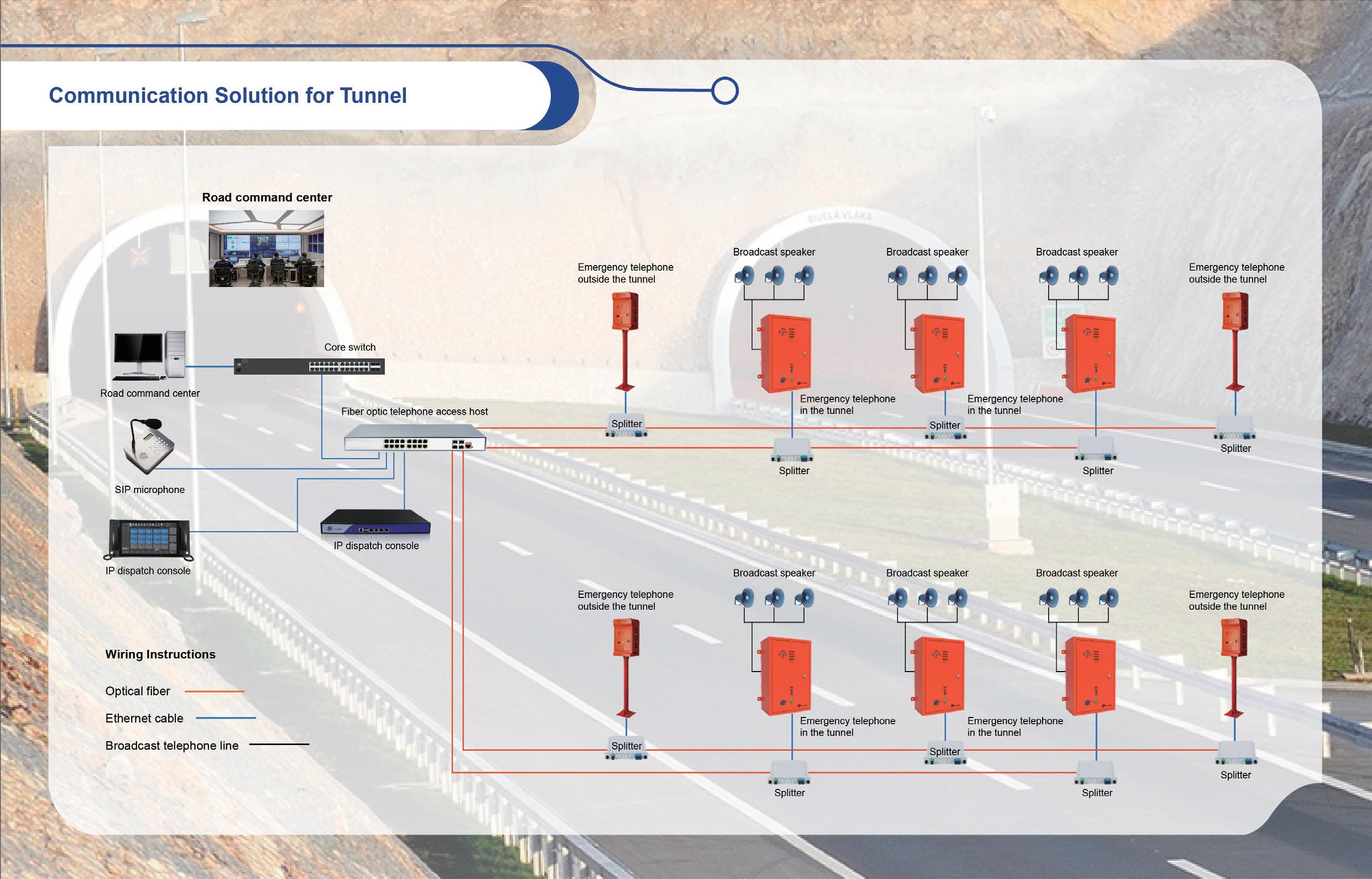
In today’s fast-paced transportation networks, ensuring the safety of motorists and efficient incident response is paramount. The Highways Roadway Emergency Communication Solution offers a robust approach to enhancing safety, reducing response times, and improving traffic management on highways. With cutting-edge technology, real-time communication capabilities, and integration with modern traffic systems, this solution is becoming an essential component for highway authorities and transportation agencies worldwide.
Understanding Highways Roadway Emergency Communication Solution
What is a Highways Roadway Emergency Communication Solution?
A Highways Roadway Emergency Communication Solution is a comprehensive system designed to provide immediate communication between motorists, highway authorities, and emergency responders. It incorporates technologies such as roadside communication kiosks, IoT-enabled sensors, mobile applications, and centralized control centers to ensure rapid response during accidents, vehicle breakdowns, or natural emergencies.
These systems are engineered to enhance situational awareness, enabling authorities to deploy emergency services quickly, reduce traffic congestion, and ensure the safety of road users.
Importance of Emergency Communication on Highways
Highways are high-speed corridors where accidents or vehicle failures can lead to catastrophic consequences. The integration of a roadway emergency communication solution ensures:
- Immediate notification of incidents: Drivers can alert authorities quickly.
- Real-time traffic management: Authorities can manage lane closures and reroute traffic efficiently.
- Enhanced emergency response: Firefighters, medical personnel, and law enforcement can arrive faster.
- Accident prevention: Sensors and automated alerts help prevent secondary collisions.
Key Features of a Highways Roadway Emergency Communication Solution
Intelligent Emergency Call Boxes
Emergency call boxes, often seen along highways, are equipped with two-way communication systems. These devices allow motorists to instantly report accidents, vehicle malfunctions, or hazards, ensuring that help reaches the scene promptly.
IoT Sensors and Automated Alerts
Modern roadway emergency communication solutions integrate IoT sensors embedded along highways. These sensors monitor traffic flow, detect accidents, and automatically send alerts to control centers. By providing predictive analytics, they allow authorities to proactively manage traffic and prevent congestion.
Centralized Command and Control System
A centralized command system consolidates all data from communication devices, sensors, and surveillance cameras. It enables operators to monitor highways in real time, coordinate emergency services, and optimize resource deployment.
Mobile Application Integration
Mobile applications provide drivers with a platform to report emergencies, receive traffic updates, and access navigation assistance during road incidents. The integration of mobile technology enhances the reach and efficiency of highway communication networks.
GPS and Location-Based Services
Location tracking plays a crucial role in highway emergency communication. GPS-enabled devices help emergency responders locate incidents with precision, minimizing response time and improving service efficiency.
Benefits of Implementing Highways Roadway Emergency Communication Solution
Implementing a Highways Roadway Emergency Communication Solution offers multiple benefits:
- Reduced Emergency Response Time: Rapid communication allows for immediate dispatch of emergency services.
- Improved Motorist Safety: Quick alerts and notifications prevent secondary accidents.
- Traffic Flow Optimization: Real-time information helps authorities manage congestion.
- Data-Driven Decision Making: Collected traffic and incident data supports future infrastructure planning.
- Cost Efficiency: Minimizes financial losses from accidents and traffic delays.
Related Technologies and Systems
Intelligent Transportation Systems (ITS)
The Highways Roadway Emergency Communication Solution often integrates with Intelligent Transportation Systems (ITS), which use advanced sensors, communication protocols, and traffic management tools to optimize highway safety.
Vehicle-to-Infrastructure (V2I) Communication
V2I technology enables vehicles to communicate with highway infrastructure in real time. This allows for immediate hazard warnings, speed alerts, and accident notifications, enhancing the effectiveness of emergency communication solutions.
5G Connectivity for Real-Time Communication
High-speed 5G networks ensure seamless transmission of high-definition video feeds, sensor data, and emergency notifications, making response operations faster and more reliable.
Implementing Highways Roadway Emergency Communication Solution
Assessment and Planning
Before implementation, authorities assess traffic patterns, accident-prone zones, and existing communication infrastructure. This ensures the solution addresses the unique challenges of each highway network.
Installation and Integration
Deployment involves installing emergency call boxes, IoT sensors, cameras, and network infrastructure. Integration with existing traffic management systems ensures smooth operation.
Training and Maintenance
Staff training is essential for the effective use of command centers and mobile applications. Regular maintenance of devices and network systems ensures consistent reliability.
Challenges and Solutions
Network Connectivity Issues
Highways often traverse remote areas with limited connectivity. The solution overcomes this through satellite communication backup and 5G-enabled devices.
Device Vandalism
Emergency devices are vulnerable to vandalism. Weatherproof, tamper-resistant designs, and routine monitoring mitigate this risk.
Data Security
Ensuring the security of real-time traffic and personal data is critical. Encryption and cybersecurity protocols protect sensitive information within the emergency communication system.
Future Trends in Highway Emergency Communication
- AI-Powered Predictive Analytics: Anticipating accidents and traffic jams before they occur.
- Integration with Autonomous Vehicles: Enabling self-driving cars to communicate emergencies automatically.
- Enhanced Sensor Networks: Increasing coverage for accurate incident detection.
- Smart City Integration: Synchronizing highway safety systems with urban traffic networks.
FAQs about Highways Roadway Emergency Communication Solution
1. What is the main purpose of a highway emergency communication system?
The main purpose is to provide immediate communication between motorists and emergency responders, ensuring rapid response to accidents, breakdowns, or other emergencies, thereby improving overall highway safety.
2. How do IoT sensors enhance highway safety?
IoT sensors monitor traffic conditions, detect incidents, and automatically alert authorities. This enables real-time traffic management and reduces response times for emergencies.
3. Can this solution integrate with existing traffic management systems?
Yes, Highways Roadway Emergency Communication Solutions are designed to integrate seamlessly with Intelligent Transportation Systems (ITS) and other traffic management infrastructures.
4. What technologies are involved in this solution?
Key technologies include emergency call boxes, IoT sensors, GPS tracking, mobile apps, 5G connectivity, and centralized command and control systems.
5. How does this solution help in accident prevention?
By providing real-time alerts, automated hazard notifications, and predictive analytics, the solution helps prevent secondary accidents and improves overall traffic safety.
Conclusion
The Highways Roadway Emergency Communication Solution is a transformative technology for modern highway safety. By integrating advanced communication systems, IoT sensors, mobile applications, and centralized command centers, it ensures rapid emergency response, optimizes traffic management, and enhances motorist safety. Implementing such solutions is no longer optional but essential for any transportation authority aiming to reduce accidents, improve traffic flow, and provide a safer travel experience for all highway users.