
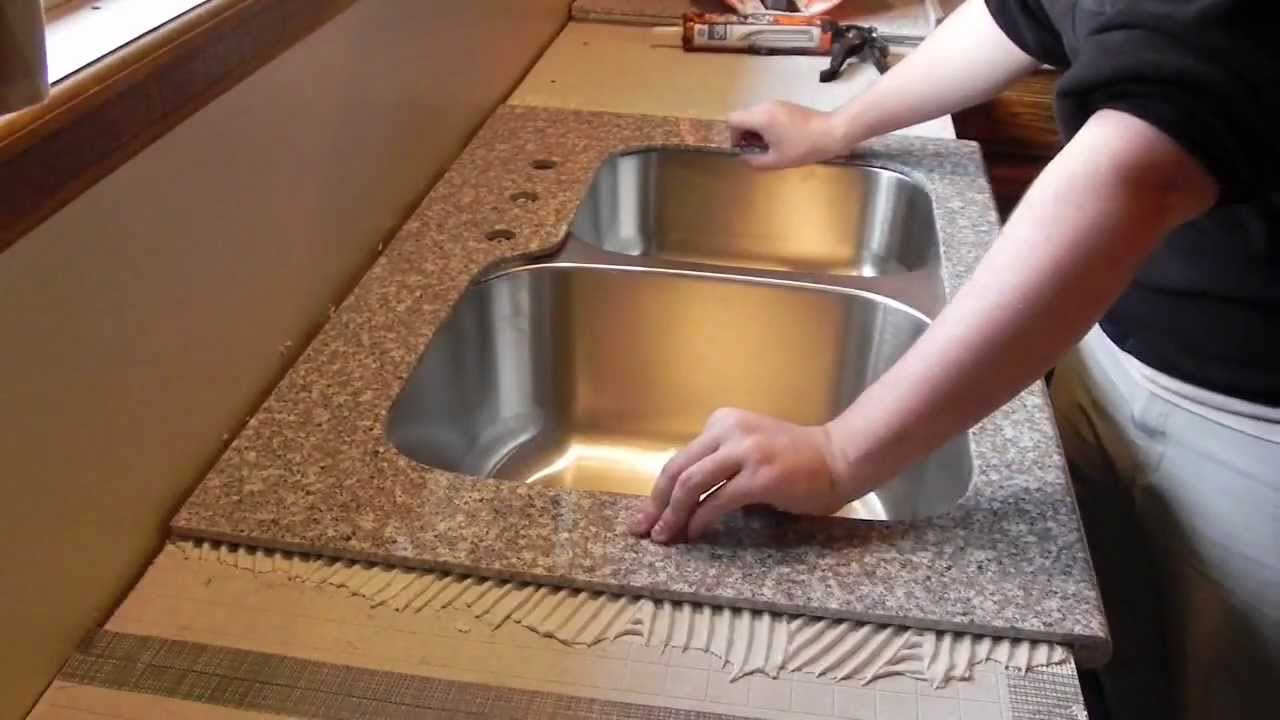
Installing cabinets is one of the most impactful upgrades you can make to any interior space. From kitchens and bathrooms to offices and storage areas, well-installed cabinets enhance functionality, organization, and overall aesthetics. However, cabinet installation is not simply about attaching boxes to a wall it requires careful planning, precise measurements, proper tools, and attention to detail to achieve a durable, professional finish.
This expert guide explains how to install cabinets with precision and style, helping homeowners, DIY enthusiasts, and professionals avoid common mistakes while maximizing both performance and design appeal. With the right techniques, even complex or challenging spaces can be transformed into efficient, elegant environments built to last.
Why Proper Cabinet Installation Matters
Correct cabinet installation plays a critical role in safety, usability, and long-term value. Cabinets that are poorly aligned or improperly secured can lead to serious issues such as sagging shelves, sticking doors, jammed drawers, and even structural failure over time.
When cabinets are installed with precision, the benefits extend well beyond appearance. Proper installation ensures:
- Enhanced storage efficiency by maximizing usable space
- Improved workflow and accessibility, especially in kitchens and offices
- Increased property value through professional-quality finishes
- Long-term durability and stability that withstand daily use
Professional cabinet installation combines thoughtful planning, accurate leveling, secure fastening, and high-quality materials. Modern cabinet features such as soft-close hinges, adjustable shelving, concealed hardware, and moisture-resistant finishes further enhance both function and style.
Key Steps to Install Cabinets Efficiently
Understanding the cabinet installation process is essential for success. Whether you are handling a DIY project or managing a professional installation, following these structured steps ensures your cabinets are level, aligned, and securely mounted.
1. Measure and Plan the Layout Carefully
Accurate measurements are the foundation of a successful cabinet installation. Even small errors can result in gaps, misalignment, or costly rework.
Before installing cabinets, take precise measurements using a tape measure or laser level. Planning should account for:
- Wall height, width, and depth
- Placement of wall studs
- Electrical outlets, switches, and plumbing fixtures
- Appliance clearances
- Door swing direction and drawer clearance
Creating a detailed layout drawing or digital plan helps identify potential obstacles early and ensures cabinets fit seamlessly within the space. Proper planning also prevents issues with countertops, trim, and backsplash installation later.
2. Prepare the Installation Area Thoroughly
Preparation is often overlooked, yet it is one of the most important steps to install cabinets correctly. The installation area must be clean, stable, and ready to support the cabinetry.
Key preparation tasks include:
- Removing old cabinets and hardware
- Repairing damaged drywall or framing
- Checking walls and floors for level and plumb
- Marking wall studs clearly
- Completing all plumbing and electrical modifications
Walls should be dry, smooth, and structurally sound. Proper preparation minimizes delays, improves accuracy, and prevents future issues such as cabinet shifting or loosening.
3. Secure Base Cabinets First
Base cabinets serve as the foundation for countertops, sinks, and appliances, making precise installation essential. Any errors at this stage will affect the entire layout.
Best practices when installing base cabinets include:
- Establishing a level reference line using a laser or chalk line
- Using shims to compensate for uneven floors
- Installing corner cabinets first to maintain alignment
- Securing cabinets firmly to wall studs with weight-rated screws
Ensure all base cabinets are level front to back and side to side before tightening fasteners fully. Properly installed base cabinets provide stability and ensure countertops sit evenly without stress or cracking.
4. Install Upper Cabinets with Safety and Accuracy
Upper cabinets require careful handling due to their weight and elevated position. Safety and precision are critical during this stage.
Professional tips for installing upper cabinets include:
- Installing a temporary ledger board to support cabinet weight
- Pre-drilling mounting holes to prevent wood splitting
- Lifting cabinets with assistance or mechanical supports
- Checking level and alignment continuously
Upper cabinets should align perfectly with base cabinets and maintain consistent spacing. Securing them properly ensures long-term safety and a balanced, polished appearance.
Tips to Enhance Cabinet Functionality and Aesthetics
Installing cabinets is about more than structure—it’s also an opportunity to elevate usability and visual appeal. Thoughtful design choices can significantly enhance the finished space.
Consider incorporating these features:
- Adjustable shelving for flexible storage options
- Soft-close hinges and drawer slides to reduce wear and noise
- Pull-out drawers and organizers for deep or corner cabinets
- Integrated lighting to improve visibility and highlight design
These upgrades not only increase convenience but also contribute to a high-end, professional look that enhances everyday use.
Common Cabinet Installation Challenges and Solutions
Even experienced installers encounter challenges. Knowing how to address common issues helps ensure a smooth installation process.
Uneven floors or walls: Use shims and leveling tools to achieve proper alignment without forcing cabinets into position.
Misaligned doors or drawers: Adjust hinges and slides gradually during installation rather than waiting until the end.
Limited or awkward spaces: Custom or modular cabinetry can maximize storage in tight or irregular areas.
Heavy materials: Use lifting aids or team assistance to prevent injury and cabinet damage.
Proactive problem-solving saves time, reduces frustration, and protects both cabinetry and surrounding surfaces.
Tools and Materials Needed to Install Cabinets
Having the right tools and materials ensures accuracy, efficiency, and professional results. Essential items include:
- Measuring tape and laser level
- Power drill and screwdriver set
- Stud finder
- Clamps and shims
- Cabinet-grade screws and brackets
- Safety equipment such as gloves andeye protection
Using high-quality tools and durable materials such as moisture-resistant wood and protective finishes extends cabinet lifespan and enhances performance.
Eco-Friendly and Sustainable Cabinet Installation
Sustainability is an increasingly important consideration in modern construction and remodeling projects. Eco-conscious cabinet installation benefits both the environment and indoor living conditions.
Sustainable practices include:
- Choosing FSC-certified wood for responsible sourcing
- Using low-VOC paints and finishes to improve air quality
- Incorporating reclaimed or recycled materials where possible
- Recycling packaging and minimizing construction waste
Environmentally responsible installations demonstrate professionalism and appeal to clients who value sustainable design.
Enhancing EEAT Through Cabinet Installation Expertise
Demonstrating Experience, Expertise, Authority, and Trustworthiness (EEAT) is essential in the home improvement industry. Cabinet installation professionals can strengthen credibility by:
- Showcasing completed projects with detailed case studies
- Sharing technical knowledge through guides and tutorials
- Emphasizing safety standards and proper installation techniques
- Providing transparent recommendations on materials and hardware
These practices build trust, enhance brand reputation, and encourage long-term client relationships.
How to Maintain Cabinets After Installation
Proper maintenance ensures cabinets remain functional and attractive for years to come. Simple care routines make a significant difference.
Maintenance best practices include:
- Wiping spills immediately to prevent stains or warping
- Lubricating hinges and drawer slides periodically
- Avoiding excessive weight on shelves
- Inspecting hardware and making minor adjustments as needed
Consistent maintenance protects your investment and preserves the quality of the installation.
Invest in Expert Cabinet Installation
Installing cabinets correctly transforms any space by balancing aesthetics, functionality, and longevity. Precision, planning, and skilled execution prevent common mistakes while delivering a polished, professional result. Whether renovating a kitchen, upgrading a bathroom, or improving an office environment, knowing how to install cabinets properly maximizes storage, improves workflow, and increases property value.
For homeowners and businesses seeking superior results, MILLENNIUM DESIGNS delivers expert cabinet installation techniques that combine beauty, reliability, and craftsmanship. By focusing on thoughtful planning, premium materials, and precise execution, expertly installed cabinets provide lasting value and timeless appeal that elevate any space.