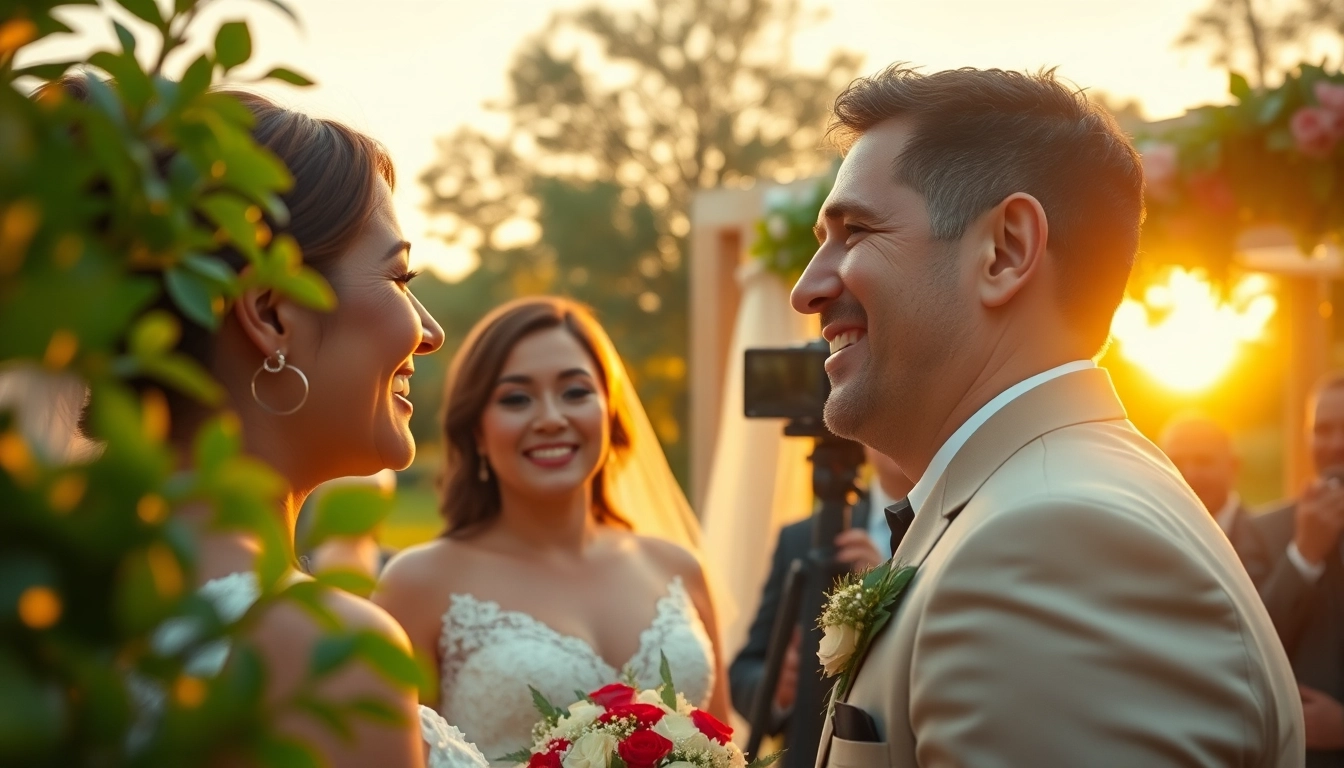
Understanding the Role of a Videographer
The term Videographer refers to a professional who specializes in capturing video footage for various purposes, including weddings, corporate events, television productions, and more. With the rise of digital media, the role of a videographer has evolved significantly, expanding into new areas like social media content creation and online streaming. This article aims to explore the responsibilities, skills, and considerations involved in working with a videographer, as well as tips for selecting the right professional for your projects.
What Does a Videographer Do?
A videographer's primary responsibility revolves around capturing moving images that tell a story or communicate a message. This may involve planning, shooting, and editing video content, which can include everything from promotional videos to capturing significant life events. Here are some core functions of a videographer:
- Pre-Production Planning: This involves understanding the client's vision, discussing themes, objectives, and gathering the necessary equipment and locations.
- Shooting Video: Videographers operate cameras and other equipment to film specified scenes, ensuring proper framing, lighting, and audio capture.
- Editing Content: Post-production is crucial as it involves editing raw footage, adding graphics, sound, and effects to produce a professional video.
- Client Collaboration: Professional videographers often work closely with clients to ensure the final product meets their expectations, requiring good communication skills.
- Staying Updated: With rapid technology changes, videographers need to keep up with current trends and equipment in the industry.
Different Types of Videographers
Videographers have specialized roles depending on the type of content they create. Here are some of the common categories:
- Event Videographers: Focus on capturing significant occasions, such as weddings, parties, or corporate events.
- Corporate Videographers: Create promotional videos, training materials, and content for a company's internal and external communications.
- Documentary Videographers: Capture real-life stories for documentary films or news features, often requiring deep storytelling skills.
- Commercial Videographers: Produce advertisements and marketing videos for businesses and brands, working closely with creative teams to impact viewers.
- Freelance Videographers: Offer services as independent professionals, servicing a range of clients across various sectors.
Key Skills of a Videographer
To excel in their role, videographers require a blend of technical abilities and interpersonal skills, including:
- Technical Proficiency: Expertise in using cameras, microphones, lighting, and video editing software is fundamental.
- Creativity: Strong storytelling and visual artistry skills help in conceptualizing scenes that engage viewers.
- Attention to Detail: Precision in capturing scenes, ensuring quality sound, and attention to post-production detail is critical.
- Interpersonal Skills: Being able to communicate effectively with clients and collaborators enhances project quality and satisfaction.
- Problem-Solving Skills: Challenges often arise during filming; the ability to think on one's feet can be the difference between success and failure.
How to Select a Professional Videographer
Choosing the right videographer can make a significant difference in the quality of your video project. Here’s a guide on how to select a professional who aligns with your goals:
Defining Your Project Needs
Before searching for a videographer, it’s essential to define your project’s specific requirements. Ask yourself:
- What is the purpose of the video?
- What style do you envision?
- What is your budget?
- What is your timeline for completion?
Having clear answers to these questions will help you communicate your vision effectively to potential videographers.
Researching Candidates
Start by conducting thorough research. Look for videographers with experience relevant to your specific project type. Online reviews, ratings, and testimonials can provide insights into their work ethic and quality. Don't hesitate to ask for recommendations from friends or colleagues who have used videography services in the past.
Evaluating Portfolios
Once you have a list of potential candidates, request to see their portfolios. Assess their previous work to determine if their style aligns with your vision. Look for:
- Quality of footage and editing skills.
- Creativity in capturing story elements.
- Diversity of work showcasing different types of projects.
- Client feedback or case studies linked to their work.
A strong portfolio can often speak louder than recommendations.
Budgeting for Videography Services
Establishing a budget is crucial when hiring a videographer. Understanding typical costs and what factors impact pricing can help ensure your investment pays off:
Typical Costs for a Videographer
Videography costs can vary significantly based on factors like location, experience, and project complexity. On average, event videography can range from $500 to $760, while wedding videography averages between $990 to $1,260. However, keep in mind that these figures can fluctuate based on the following factors:
Factors Impacting Pricing
1. Duration of Coverage: The longer the event, the more footage to capture, affecting the total cost.
2. Post-Production Requirements: Complex editing requests may require more time and, thus, increased costs.
3. Equipment Used: High-end equipment can lead to better quality but may be reflected in higher rates.
4. Experience Level: Seasoned professionals command higher rates due to their skill and proven track record.
How to Negotiate Effectively
Negotiation is a crucial step in securing a favorable deal. Here are some strategies:
- Be transparent about your budget to help find solutions together.
- Discuss package options that may offer savings compared to a la carte services.
- Bot in value rather than just cost; arguing for lower rates without context can strain the relationship.
- Consider negotiating for benefits such as additional shooting hours or a longer post-production timeline at no extra cost.
Questions to Ask Your Videographer
Before making your final selection, consider asking the following questions to ensure you choose the best fit:
Key Inquiries Before Hiring
1. What’s Your Creative Process? Understanding how they develop content can align your visions.
2. Can You Provide References? Speaking with previous clients can clarify what to expect.
3. What’s Included in Your Services? Be clear about what is covered in the quoted price, addressing travel, editing, and any additional fees.
Understanding Contracts and Deliverables
Make sure to request a detailed contract outlining deliverables, timelines, and any agreed-upon terms. Don't hesitate to seek clarification on aspects that seem vague or open to interpretation.
Important Timeline Considerations
Discuss your timeline upfront to ensure availability aligns with your project's required scheduling. If you have specific deadlines, communicate these clearly to prevent any misunderstandings later on.
Maximizing Your Experience with a Videographer
Once you’ve selected a videographer, here are steps to ensure a smooth working relationship and highlight your project's success:
Preparation Tips for Working with a Videographer
Preparation plays an integral role in the outcome of your video. Here are some preparation tips:
- Prepare a brief detailing your expectations and objectives.
- Arrange a pre-shoot meeting to go through the shots and discuss the layout and required elements.
- Cultivate a comfortable atmosphere to allow for natural behavior during filming.
Creating a Shot List
A pre-determined shot list can significantly enhance the organization of the shoot. Detail all the pivotal scenes or moments that must be captured. You can include suggestions for angles or techniques, ensuring that nothing crucial is overlooked.
Post-Production Insights
Post-production is a vital phase in the videography process. Here are key insights for this phase:
- Establish clear communication on expected timelines for edits.
- Discuss the editing style in advance to avoid any misalignments in the vision.
- Request a sample draft or initial edit to provide feedback and ensure it meets your expectations.
In summary, understanding the vital aspects of hiring and working with a videographer can empower you to achieve an exceptional video project that effectively communicates your message. Conduct thorough research, prepare adequately, and maintain an open line of communication to foster a positive and productive relationship with your chosen professional.