Understanding the Basics of Home Renovation
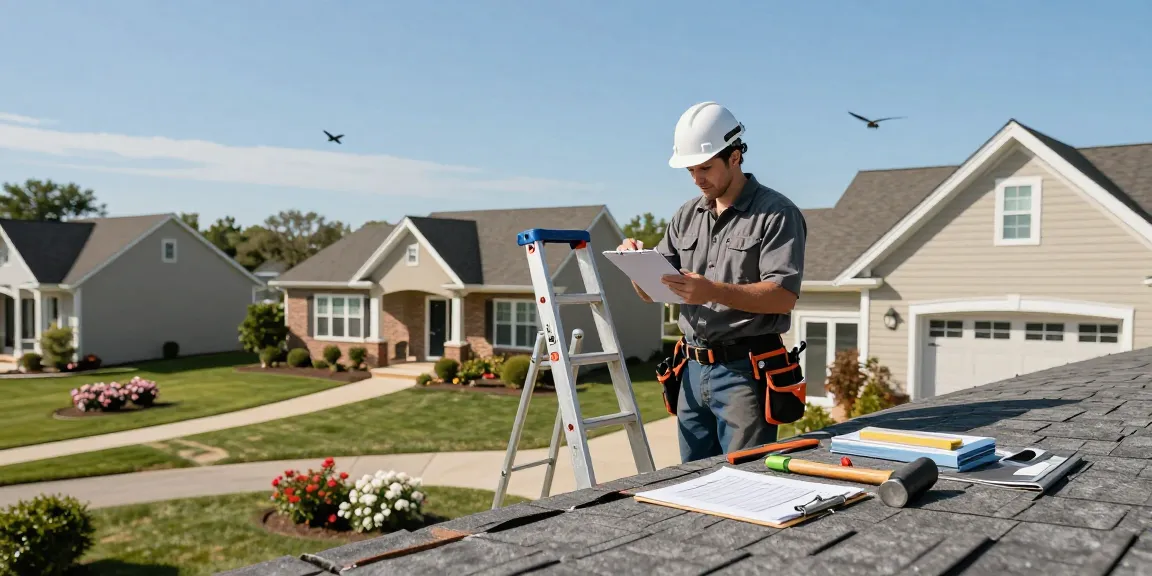
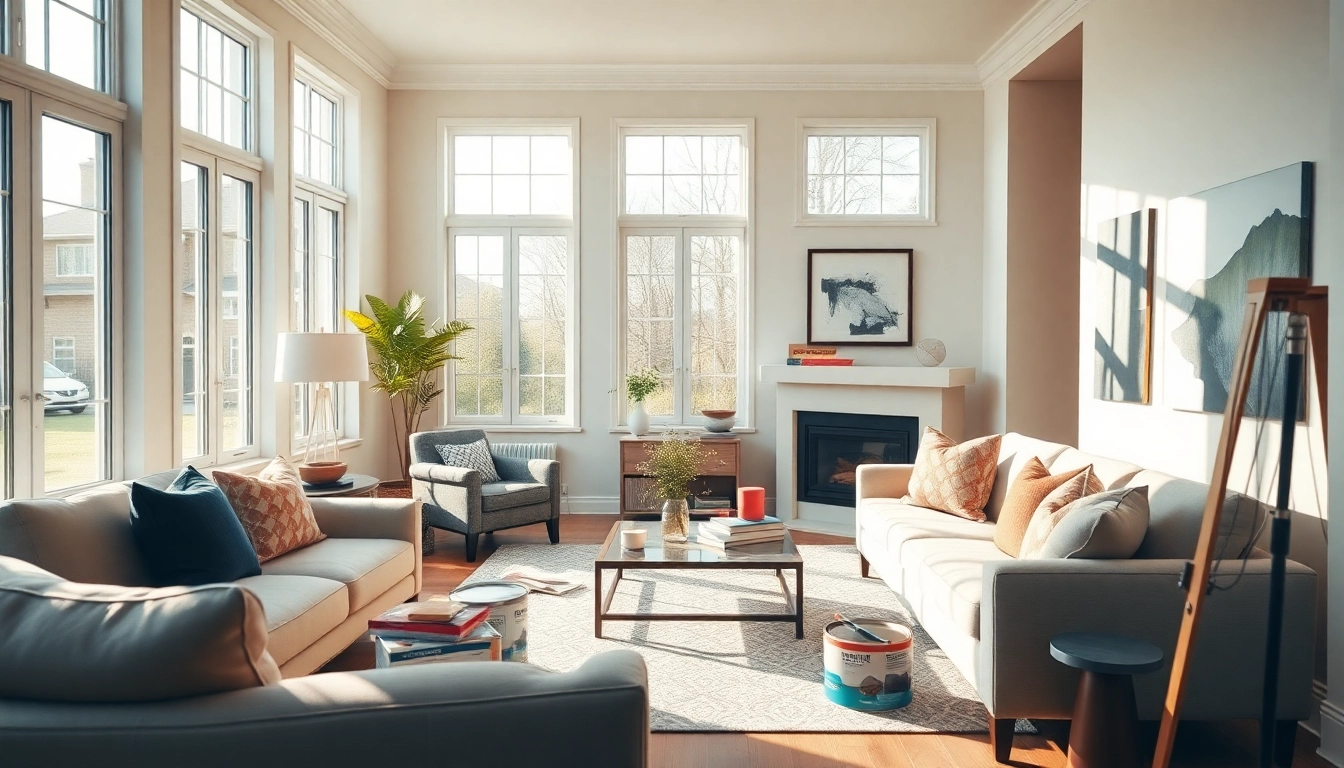
Home renovation is a dynamic process that can breathe new life into your living space. It encompasses a variety of projects, from minor improvements to extensive renovations that transform a house into a dream home. Understanding the fundamentals of Home renovation is essential for anyone looking to embark on this rewarding journey. In this article, we delve into the definition of home renovation, common types, benefits, and the overall importance of being informed before you begin.
What is Home Renovation?
Home renovation refers to the process of upgrading or restoring an existing structure. This can involve simple cosmetic changes like repainting walls, or more intricate work like remodeling entire rooms or adding new structures. The goal of renovation can vary significantly—some homeowners aim to modernize aspects of their houses, while others might seek to restore or rebuild areas due to neglect or damage.
Common Types of Home Renovation Projects
Home renovation projects can be categorized into several major types:
- Kitchens and Bathrooms: Renovations in these areas are often the most rewarding due to their impact on home value and daily convenience.
- Basements: Transforming basements into usable living spaces can enhance the functionality of a home significantly.
- Whole Home renovations: This involves more comprehensive changes that may include structural adjustments and aesthetic updates throughout the entire home.
- Additions: Adding rooms, such as a home office or sunroom, can help accommodate growing families or changing needs.
- Exterior renovations: Updating the exterior can improve curb appeal and energy efficiency.
Benefits of Home Renovation
The advantages of engaging in home renovations are numerous and varied:
- Increased Property Value: Well-planned renovations can significantly boost a home's market value, providing a good return on investment.
- Enhanced Comfort and Functionality: Tailoring spaces to fit personal needs can create a more comfortable and efficient living environment.
- Energy Efficiency: Renovations often include energy-efficient upgrades, which can reduce utility costs and environmental impact.
- Improved Aesthetics: A fresh design can transform a living space, making it more pleasant and aligning with contemporary trends.
- Personal Satisfaction: Customizing one’s home can provide a sense of achievement and comfort.
Planning Your Home Renovation
Effective planning is crucial to a successful home renovation. It not only helps streamline the process but also minimizes risks and unexpected expenses. Below are key aspects to consider during the planning phase.
Setting a Realistic Budget for Home Renovation
Creating a budget is one of the first and most important steps in the renovation process. It is essential to establish how much you are willing to spend, including materials, labor, and a contingency for unexpected expenses. Here’s how to approach budgeting:
- Evaluate the costs associated with the specific projects you are considering.
- Incorporate a contingency of 10-20% to cover unforeseen expenses.
- Consider financing options like home equity loans or renovation loans if necessary.
Creating a Timeline for Your Home Renovation
Having a clear timeline can significantly enhance the flow of the renovation process. Here’s how to create an effective timeline:
- Define Project Phases: Break down your renovation into phases, such as planning, purchasing materials, and construction.
- Set Realistic Deadlines: Factor in potential delays, such as permits or sourcing materials, when setting deadlines.
- Monitor Progress: Consistently review the timeline and adjust as needed to stay on track.
Design Considerations in Home Renovation
The design phase of renovation is where creativity meets functionality. Important considerations include:
- Functionality: Ensure that the design supports the intended use of the space.
- Flow: Plan how people will move through the renovated areas to enhance usability.
- Style: Choose designs that align with your tastes while considering the overall style of the home.
- Environmental Impact: Consider integrating eco-friendly materials and practices.
Selecting the Right Professionals for Home Renovation
Choosing the right professionals can make or break your renovation project. Therefore, it is essential to take your time in selecting the right contractors, architects, and designers.
How to Choose a Contractor for Home Renovation
Choosing a contractor involves a careful evaluation of their qualifications and past work. Here are some steps to consider:
- Research: Seek recommendations and read reviews to create a list of potential contractors.
- Interview Candidates: Discuss your renovation vision and evaluate how well they align with it.
- Review Portfolios: Look at past projects to gauge their expertise and style.
- Check References: Speak to former clients to get insights into their experiences.
Understanding Licenses and Certifications
It’s vital to verify that contractors have the proper licenses and certifications. They should comply with local regulations, which typically ensure that they are qualified to carry out renovations safely and legally.
Evaluating Proposals for Your Home Renovation
Once you receive proposals, focus on several key components:
- Cost Estimates: Assess if the estimates align with your budget.
- Scope of Work: Make sure the proposal outlines all aspects of the project.
- Timeframe: Look for a clear timeline that matches your needs.
- Warranties and Guarantees: Understand what guarantees the contractor offers for their work.
Executing Your Home Renovation Plan
With a plan in place and professionals selected, execution is the next phase, often accompanied by the most tangible steps towards achieving your renovation goals.
Staying Organized During Home Renovation
Organization is critical during renovations to prevent confusion and chaos. Consider the following methods:
- Keep Documentation: Maintain copies of contracts, permits, and correspondence for easy reference.
- Utilize Project Management Tools: Use software or apps that cater to home renovations to stay on top of tasks and responsibilities.
- Regular Meetings: Schedule regular check-ins with contractors to ensure everyone is on the same page.
Communication Strategies with Your Contractors
Effective communication can prevent misunderstandings and ensure that the project meets your expectations. Here are some strategies:
- Establish Communication Channels: Decide how you will communicate (e.g., email, phone, face-to-face) and stick to it.
- Be Clear and Concise: Articulate your needs and expectations clearly to avoid ambiguity.
- Provide Feedback: Constructive feedback helps contractors understand what adjustments are required.
Managing Expectations Throughout Home Renovation
Every renovation project can come with unexpected twists. Here’s how to manage your expectations:
- Anticipate Disruptions: Be prepared for some inconvenience during the renovation process.
- Stay Positive: Focus on the end result, which will soon be worth the temporary challenges.
- Consult Regularly: Keep an open dialogue to address concerns as they arise.
Post-Renovation: Final Touches and Maintenance
Upon completion of the renovation, attention to details can enhance the beauty and longevity of your upgrades. Here’s what to consider post-renovation:
Inspecting Your Home Renovation Work
Conduct a thorough inspection of the completed work:
- Check for Quality: Look for any oversight in finishes or installations.
- Document Issues: Take photos of any problems and bring them up with your contractor for rectification.
Essential Maintenance Tips After Home Renovation
Maintaining your newly renovated areas is key to preserving their functionality and aesthetics:
- Regular Cleaning: Implement cleaning routines that suit new materials and finishes.
- Scheduled Inspections: Periodically check for signs of wear and tear or maintenance needs.
Adding Personal Touches Post Home Renovation
Finally, adding personal touches can make renovated spaces feel genuinely like home. Here are a few ideas:
- Decorative Elements: Incorporate art, rugs, and furnishings that reflect your personality.
- Plants and Greenery: Indoor plants can enhance aesthetics and improve air quality.
- Functional Stocking: Ensure spaces have the necessary tools and items that enhance daily living.