1. Understanding Land Irrigation Systems
What is Land Irrigation?
Land irrigation is a crucial agricultural practice that involves the application of controlled amounts of water to plants at precise intervals. This process is vital for crop development, especially in regions where natural rainfall is insufficient. Effective land irrigation strategies can significantly impact agricultural productivity, ensuring that crops receive the necessary hydration for optimal growth.
Types of Land Irrigation Methods
There are various methods of irrigation, each suited to different agricultural needs and environmental conditions. The primary types include:
- Surface Irrigation: Water flows over the soil surface and is absorbed by the plants. This traditional method is cost-effective but requires careful management to prevent runoff and soil erosion.
- Drip Irrigation: Water is delivered directly to the root zone of plants through a network of tubes and emitters, minimizing evaporation and runoff. This method is highly efficient and ideal for water-scarce regions.
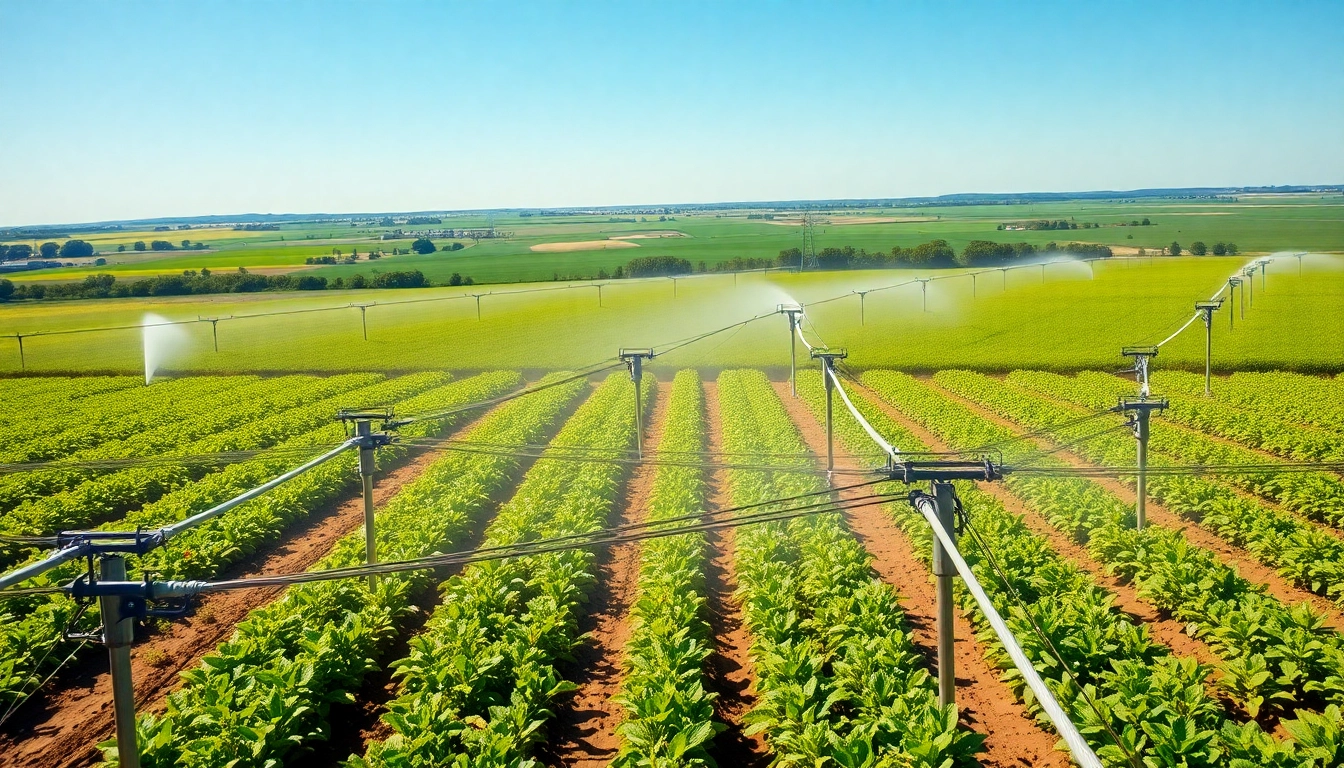
- Sprinkler Irrigation: Water is sprayed over crops through a system of pipes and pumps, mimicking natural rain. This method is flexible and can cover large areas.
- Subsurface Irrigation: This method involves placing water delivery systems below the soil surface, allowing for deep soil moisture retention and reducing evaporation losses.
- Flood Irrigation: Water is flooded over the field, often used in rice paddies and other crops that thrive in waterlogged conditions. This method requires careful management of water levels.
Benefits of Effective Land Irrigation
Proper irrigation practices provide numerous benefits:
- Increased Crop Yields: Adequate water supply enhances plant growth and productivity, leading to better harvests.
- Soil Health Improvement: Implementing irrigation helps maintain soil structure and nutrient balance. Proper management prevents soil erosion and promotes organic matter retention.
- Drought Mitigation: Efficient irrigation systems can buffer against periods of low rainfall by providing a consistent water supply to crops, ultimately safeguarding food security.
- Water Conservation: Modern irrigation technologies, such as drip and subsurface systems, minimize water waste and promote sustainable usage of water resources.
2. Implementing an Efficient Land Irrigation Plan
Assessing Soil and Crop Needs
A successful irrigation plan begins with a thorough understanding of the soil and crop requirements. Conduct soil tests to determine moisture retention capacity, nutrient levels, and pH balance. Additionally, consider the crop type being cultivated, as different plants have unique water needs. For instance, corn requires more irrigation compared to millet.
Selecting Appropriate Irrigation Techniques
Once you understand the soil and crop requirements, choose the irrigation method that aligns best with their needs. Evaluate factors such as water availability, soil type, and farm layout. For example, drip irrigation is ideal for row crops, whereas flood irrigation may work better in flooded rice paddies. Efficiency, cost, and sustainability should guide your choice in irrigation techniques.
Creating a Management Schedule
A well-structured irrigation schedule is crucial for maximizing water efficiency and crop yield. This schedule should incorporate seasonal weather patterns, soil moisture levels, and plant growth stages. Regularly check the forecast and adjust your irrigation plan accordingly. Also, consider the use of moisture sensors that can provide real-time feedback to optimize irrigation timing.
3. Common Challenges in Land Irrigation
Water Scarcity Issues
Water scarcity is one of the most significant challenges facing irrigation practices today. Over-reliance on water resources can lead to depletion of aquifers and rivers. To mitigate this issue, adopt water-saving practices such as drip irrigation, rainwater harvesting, and recycling irrigation water whenever possible.
Soil Erosion and Nutrient Management
Improper irrigation can contribute to soil erosion, leading to the loss of valuable topsoil and nutrients. Implement strategies like contour farming and terracing to diminish erosion risks. Moreover, enrich your soil with organic compost and cover crops to retain nutrients and moisture, ultimately enhancing soil resilience.
Weather Impact on Irrigation
Weather patterns can greatly influence irrigation needs. Sudden rainfall or droughts can disrupt irrigation schedules, leading to over-watering or under-watering. Utilize weather forecasting tools and flexible irrigation systems that can be easily adjusted to optimize water usage according to current conditions.
4. Technology in Land Irrigation
Advancements in Irrigation Technology
Recent technological advancements have revolutionized land irrigation practices. Innovations such as smart irrigation systems, which utilize sensors and automated controls, ensure that crops receive precise watering based on real-time data. These technologies not only conserve water but also promote healthier crop growth.
Automated Irrigation Systems
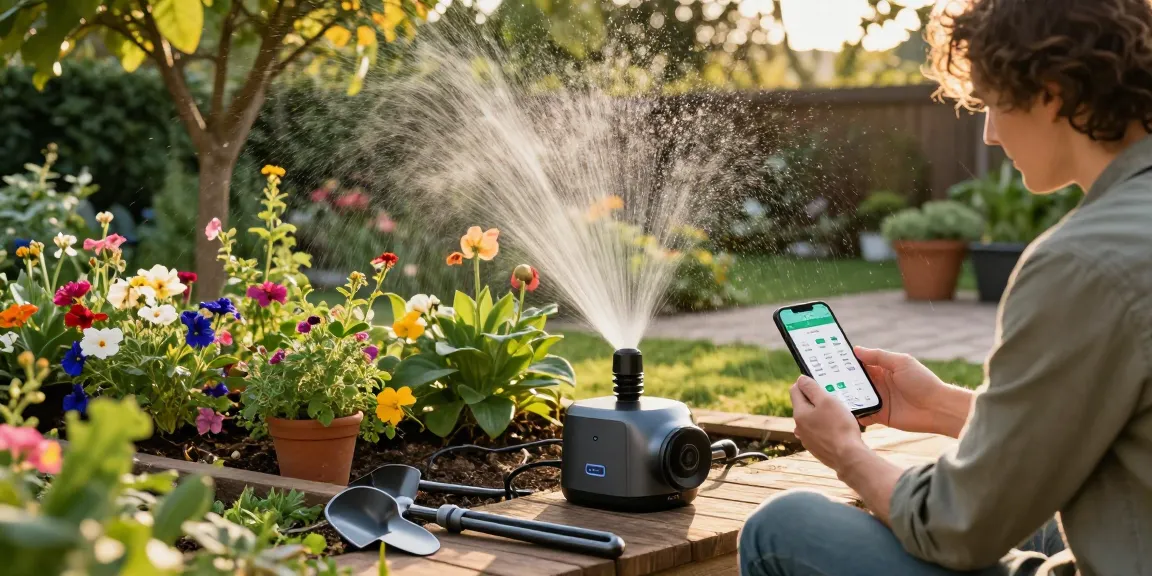
Automation in irrigation has increased efficiency and reduced labor costs. Automated systems can be programmed to activate at designated times or based on moisture levels, allowing for precision application of water. These systems contribute to timely irrigation, reducing crops' vulnerability to water stress.
Data-Driven Resource Management
Utilizing data analytics in irrigation management allows farmers to make informed decisions about water use. With the aid of mobile apps and software that analyze historical weather data, soil moisture trends, and crop performance, farmers can optimize their irrigation strategies for improved productivity and sustainability.
5. Measuring the Success of Land Irrigation
Key Performance Indicators for Irrigation
To assess the success of your irrigation practices, establish clear performance indicators. Metrics such as crop yield per acre, water usage efficiency, and soil moisture levels can provide insight into irrigation effectiveness. Consistent monitoring allows for timely adjustments and improvements.
Adjusting Strategies Based on Results
Once performance data is collected, use it to refine your irrigation strategies. If certain methods are not yielding the expected outcomes, investigate potential causes and consider alternative techniques. Continuous improvement based on measurable results ensures long-term sustainability and productivity.
Future Trends in Land Irrigation Practices
The future of land irrigation will see an increased focus on sustainability and conservation. Innovations like AI-driven irrigation systems, cloud-based agronomic platforms, and predictive analytics will dominate the landscape, enabling more efficient water use and enhanced decision-making. These trends will play a pivotal role in addressing global challenges related to food security and water scarcity.
Frequently Asked Questions (FAQs)
1. What factors should I consider when choosing an irrigation method?
Consider water availability, soil type, crop needs, farm layout, and climatic conditions to choose the most suitable irrigation method.
2. How can I reduce water usage in irrigation?
Implementing drip irrigation, rainwater harvesting, and soil moisture sensors can significantly reduce water usage while ensuring adequate plant hydration.
3. What are the signs of over-irrigation?
Signs include waterlogged soil, yellowing leaves, root rot, and weakened plant growth. Regular monitoring can help prevent these issues.
4. How often should I irrigate my crops?
Irrigation frequency depends on crop type, soil condition, and weather patterns. Use soil moisture readings to tailor your irrigation schedule.
5. Can technology improve irrigation efficiency?
Yes, advancements such as automated systems and data-driven irrigation management significantly enhance efficiency, conserving water and improving crop yields.