Understanding Wheel Loaders
What Are Wheel Loaders?
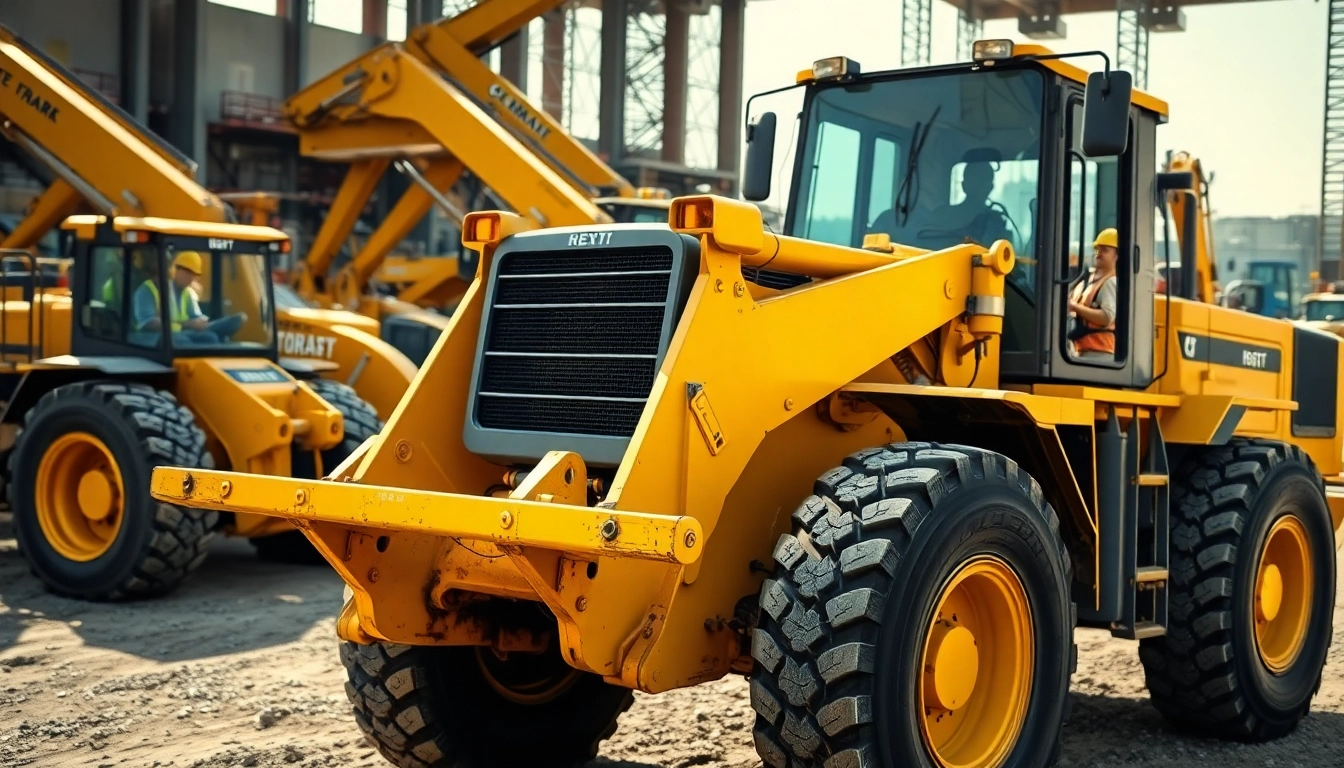
Wheel loaders are powerful, versatile machines designed for various material handling tasks. They consist of a front-mounted bucket that collects, lifts, and transports materials across job sites. Often seen in construction, mining, and agricultural applications, wheel loaders can navigate diverse terrains while offering impressive load capacities. Equipped with engines that vary in power and size, these machines are indispensable for heavy-duty operations.
Key Features of Wheel Loaders
When delving into the specifics of wheel loaders, several key features define their functionality:
- Bucket Capacity: Ranges from small (about 1 cubic yard) for light jobs to massive capacities over 6 cubic yards for heavy applications.
- Engine Power: Wheel loaders typically feature engines ranging from 60 to 200+ horsepower, determining their operational efficiency.
- Hydraulic Systems: Advanced hydraulic mechanisms offer enhanced lifting capabilities and precise control of the bucket.
- Rim Configuration: Different tire sizes and types allow for better maneuverability on varied terrains.
- Operator Comfort: Modern wheel loaders prioritize ergonomics, including climate control, adjustable seating, and intuitive controls.
Applications in Heavy Industry
Wheel loaders find a plethora of applications across multiple sectors. They are predominantly used in:
- Construction: For moving dirt, gravel, and other resources on job sites.
- Mining: In loading and transporting ores and aggregates.
- Agriculture: For managing bulk materials such as feed and fertilizers.
- Landscaping: In shifting materials like mulch or soil to enhance project efficiency.
Benefits of Renting Wheel Loaders
Cost-Effectiveness
One of the most compelling reasons to Rent wheel loaders is cost-effectiveness. Purchasing heavy machinery can represent a significant financial outlay, not only for the machine itself but also for ongoing maintenance. Renting eliminates upfront costs and allows companies to allocate capital elsewhere.
Maintenance and Upkeep Advantages
Renting wheel loaders often includes maintenance services and inspections as part of the rental agreement. This convenience prevents the time-consuming task of keeping a fleet in working order. It also ensures that the equipment is frequently updated to incorporate the latest technology and safety features.
Flexibility for Various Projects
Heavy machinery needs can vary significantly from project to project. Renting offers the flexibility to select the right size and type of wheel loader based on current requirements without the long-term commitment that comes with buying a machine. This adaptability can lead to better project timelines and enhanced productivity.
Choosing the Right Wheel Loader to Rent
Assessing Your Project Requirements
Before renting a wheel loader, it is essential to assess the specific requirements of your project. Consider the type of materials you will be handling, the volume of work, and the project timeline. Understanding these factors will help you select a suitable machine that meets your operational needs efficiently.
Understanding Weight and Capacity Specs
Weight and load capacity are critical specifications to consider when renting wheel loaders. Ensure that the machine you choose can manage the weight of the materials you are working with. This consideration will prevent equipment overload, which could lead to dangerous operational failures or damage.
Selecting Models Based on Terrain
The terrain on which the wheel loader will operate can significantly affect its performance. For example, rugged landscapes may require machines with enhanced stability and traction systems. Always account for whether your project will take place on flat surfaces, rocky terrain, or muddy fields when selecting the appropriate model.
Best Practices for Renting Wheel Loaders
Negotiating Rental Terms
When renting a wheel loader, don't hesitate to negotiate the terms of the rental agreement. Discuss the rental period, delivery options, and any included services such as maintenance. Clear negotiations can lead to better rates and ensure that the terms align with your project needs.
Inspecting Equipment Before Rent
Before finalizing your rental, conduct a thorough inspection of the wheel loader. Check for wear and tear, oil leaks, and the condition of the bucket and tires. Ensure that all safety features are operational, and request a demonstration if necessary to confirm that the loader meets your expectations.
Planning Transportation Logistics
Effective planning for transporting the wheel loader to and from the job site is crucial. Confirm the transport options available through the rental company and account for any additional equipment needed for safe maneuvering. Proper logistics management can save time and reduce potential damages during transit.
FAQs About Renting Wheel Loaders
What should I consider before renting a wheel loader?
Evaluate the project's material handling needs, the duration of the job, and specific requirements based on site conditions before renting.
How do I determine the suitable size of wheel loader?
Assess the load capacity and weight of materials you'll be working with, along with the project's scale, to choose an appropriate loader size.
Are there any additional costs involved in renting?
Additional costs may include transportation fees, insurance, and maintenance charges, which should be clarified with the rental company.
How long can I typically rent a wheel loader?
Rental periods can vary from daily to weekly or monthly options, depending on the rental company and your specific project needs.
What maintenance is required during the rental period?
Regular checks on fluids, tire pressure, and overall condition are essential. The rental company may offer maintenance services included in the agreement.