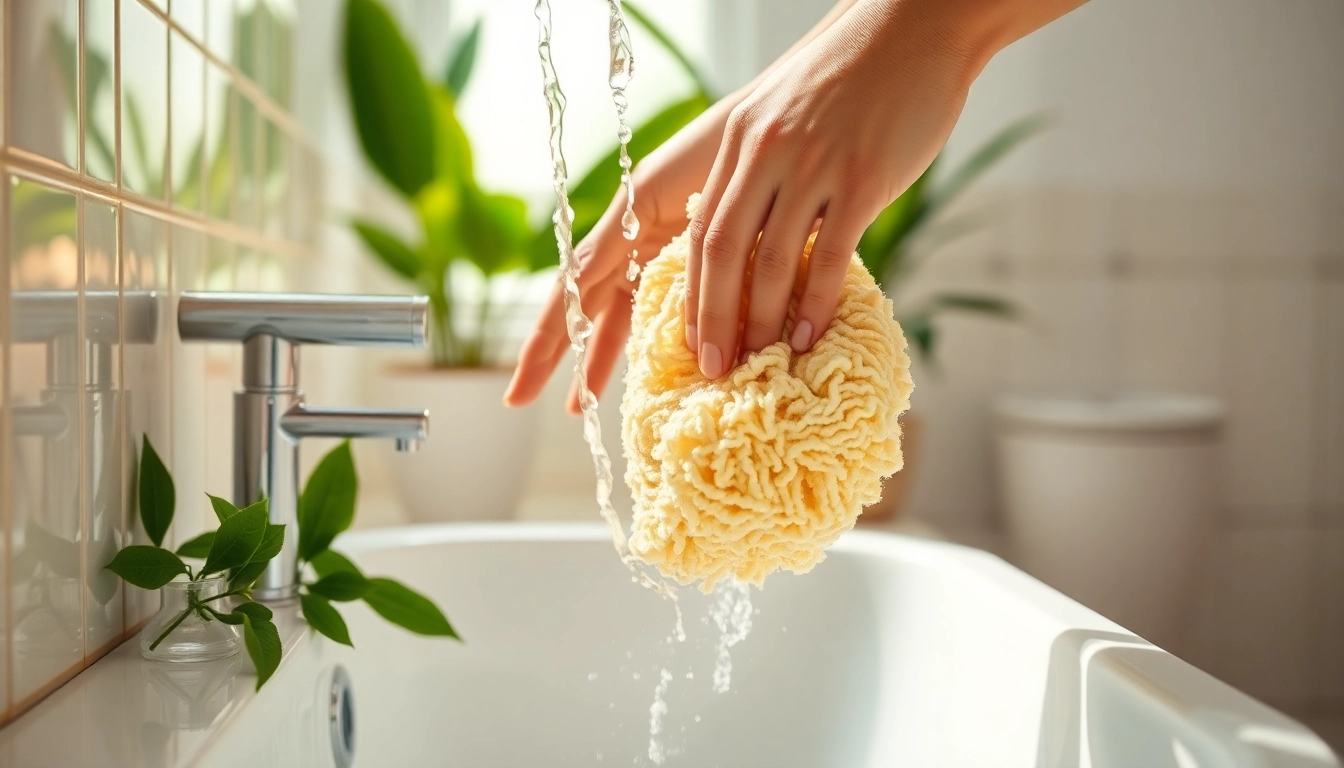
Understanding the Importance of Cleaning a Loofah
When it comes to maintaining personal hygiene, many people overlook the cleaning of their bath accessories, particularly loofahs. A loofah is not just a luxurious addition to your bathing ritual; it plays a crucial role in exfoliating your skin. However, without proper care, a loofah can become a breeding ground for bacteria. This article will explain how to clean a loofah effectively, ensuring your bathing experience remains as refreshing and healthy as possible.
Why Regular Cleaning is Essential
Cleaning your loofah regularly is vital for multiple reasons. First and foremost, it helps prevent the accumulation of bacteria that thrive in moist environments. Studies show that dirty loofahs can harbor harmful microorganisms that may cause skin irritations or infections. Furthermore, regular cleaning helps maintain the integrity and lifespan of the loofah, ensuring you get the most use out of it.
Potential Risks of a Dirty Loofah
A dirty loofah can pose various health risks. Skin infections, acne flare-ups, and even allergic reactions can occur from using contaminated bathing materials. Conditions like folliculitis, which is an inflammation of hair follicles, may arise from using unclean loofahs. Understanding these risks emphasizes the importance of regular maintenance; a simple routine can keep your hygiene standards high.
How Frequency Affects Hygiene
The frequency of cleaning your loofah is just as important as the cleaning method. It is recommended to wash a loofah at least once a week, particularly if used daily. Regular cleaning reduces bacterial buildup, extending the lifespan of your loofah while ensuring it remains a healthy addition to your bathing routine.
How to Clean a Loofah Naturally
Many individuals prefer to use natural cleaning methods due to concerns about harsh chemicals. There are effective natural ways to clean your loofah using common household ingredients.
Using Vinegar for Effective Cleaning
Vinegar is a powerhouse of natural cleaning properties due to its acidity. To use vinegar for cleaning your loofah, soak it in a mixture of equal parts water and white vinegar for about 15 minutes. After soaking, rinse it thoroughly under warm running water to remove any residual vinegar. This method effectively reduces bacteria and odors and leaves the loofah fresh.
Benefits of Baking Soda Scrubs
Baking soda is another fantastic natural cleaner, offering gentle abrasiveness that helps scrub the loofah clean while neutralizing odors. To use baking soda, create a paste with water and gently rub it over the loofah. Rinse thoroughly to ensure all baking soda is removed. This not only cleans but also revitalizes the texture of the loofah.
Rinsing Techniques for Maximum Cleanliness
Rinsing your loofah after each use is crucial for maintaining its cleanliness. After cleaning with vinegar or baking soda, follow up with a thorough rinse under hot water. It is vital to ensure that no cleaning agents remain embedded in the fibers. Consider squeezing the loofah gently to expel water and cleaning agents effectively.
Drying and Maintaining Your Loofah
Once your loofah is cleaned, proper drying and maintenance are essential to prolong its lifespan and prevent bacterial growth.
Best Drying Practices
To properly dry a loofah, hang it in a well-ventilated area after each use. Avoid placing it in enclosed or damp spaces, as these environments encourage bacteria and mold growth. Investing in a loofah hook or a dedicated drying rack can facilitate optimal drying conditions.
Storage Tips for Longevity
How you store your loofah also matters. If you’re not using your loofah, consider placing it in a dry, airy location, away from moisture. Avoid storing it in the shower where humidity is high. Additionally, consider purchasing a breathable bag for storage to maintain airflow while keeping your loofah protected.
Signs It's Time to Replace Your Loofah
Even with proper care, loofahs have a finite lifespan. Signs that it’s time to replace your loofah include:
- Foul odors that persist after washing
- Fraying or discoloration of fibers
- Visible mold or mildew
Maintaining awareness of these signs helps ensure you always use a clean and effective bathing tool.
Natural Alternatives to Loofahs
If you’re considering alternatives to traditional loofahs, numerous options exist that are both eco-friendly and effective in cleansing the skin.
Exploring Other Natural Bathing Tools
There are various natural contenders to replace your loofah. Options like sea sponges, natural fiber washcloths, and even homemade alternatives provide exfoliation and cleansing without the risk associated with synthetic loofahs. For instance, sea sponges responsibly harvested can add a touch of luxury while being gentle on the skin.
Benefits of Using Organic Materials
Using organic materials in your bathing routine offers numerous benefits. They are often softer, less abrasive, and devoid of synthetic chemicals. Choosing organic reduces your exposure to potential irritants and supports sustainable practices. Additionally, natural sponges are biodegradable, aligning with eco-friendly goals
DIY Bath Sponges: Recipes and Instructions
Creating your DIY bath sponge can be fun and sustainable. You can use natural cotton or bamboo fabric to make a simple bath sponge. Here’s a quick guide:
- Cut the fabric into two rectangular pieces (about 8x10 inches).
- Place the pieces together, with the inside facing each other.
- Sew around the edges, leaving a small opening to turn it inside out.
- Turn it inside out, fill it with unscented soap shavings, and sew it shut.
This homemade sponge not only serves its purpose but can also be customized with your favorite essential oils.
Frequently Asked Questions About Cleaning Loofahs
How often should I clean a loofah?
Clean your loofah at least once a week to prevent bacteria growth.
Can I use bleach to clean my loofah?
It's best to avoid bleach as it can damage the loofah fibers and skin.
What is the best way to dry a loofah?
Hang it in a well-ventilated area to dry completely after each use.
How long can I use a loofah before replacing it?
Replace your loofah every 4-6 weeks for optimal hygiene.
Are there any natural substitutes for loofahs?
Yes, consider using natural sponges, washcloths, or homemade alternatives.