Getting Started with Gardening Basics
Gardening is a rewarding hobby that not only beautifies your surroundings but also provides a sense of peace and satisfaction. Whether you’re growing flowers, vegetables, or herbs, starting your garden journey can be both exciting and overwhelming. Understanding the basics is essential, and having the right tools, soil, and space setup lays the foundation for success. For those looking to delve into this wonderful world of Gardening, here’s a comprehensive guide to help you get started.
Understanding Essential Gardening Tools
Every gardener needs a set of essential tools that make gardening tasks easier and more efficient. Here’s a rundown of the must-have tools:
- Hand trowel: Ideal for digging small holes, planting seedlings, and removing weeds in tight spaces.
- Pruning shears: Necessary for trimming and shaping plants, as well as deadheading flowers to encourage more blooms.
- Gardening gloves: Essential for protecting your hands while working with soil, thorns, and rough materials.
- Watering can: Important for delivering water to plants, especially seedlings that require careful watering.
- Garden spade: Great for digging, edging, and moving soil around your garden.
- Rake: Useful for leveling soil, removing debris, and spreading mulch.
Investing in high-quality tools will save you time and effort, enhancing your gardening experience.
Choosing the Right Soil for Gardening
The foundation of any successful garden is the soil. It’s not just dirt; it's an ecosystem teeming with life. The right soil provides essential nutrients, supports root growth, and retains moisture. Consider the following:
- Soil type: There are three main types: sandy, clay, and loamy. Loamy soil, which is a balanced mixture of sand, silt, and clay, is generally ideal for most plants.
- pH levels: Testing your soil’s pH levels can help you understand its acidity or alkalinity, influencing plant health. Most plants thrive in soil with a pH between 6.0 and 7.5.
- Nutrient content: Enriching your soil with organic matter, compost, or fertilizers will increase its nutrient capacity, benefiting your plants.
Regular soil testing can guide your amendments and adjustments to keep your garden thriving.
Setting Up Your Garden Space
Finding the perfect spot for your garden is crucial. Observe your yard for sunlight exposure, wind patterns, and proximity to water sources. Here are some tips for optimizing your garden space:
- Sunlight: Most plants require at least 6 hours of sunlight per day. Choose a location that receives adequate light while considering any overhead obstructions.
- Accessibility: Make sure your garden is easily accessible for maintenance, watering, and harvesting.
- Drainage: Good drainage prevents waterlogging and protects your plants' roots. Consider raised beds or mounded soil if your area tends to retain water.
Planning Your Garden Layout
A well-planned garden layout not only maximizes space but also enhances plant growth and yields. Strategic planning plays an integral role in the overall success of your garden.
Designing Your Gardening Space Efficiently
Effective garden design requires careful consideration of the types of plants you wish to grow. Use these strategies to design an efficient layout:
- Grid layout: Especially effective for rows of vegetables, it allows for straightforward planting and harvesting.
- Raised beds: Elevates plants to improve drainage and soil quality, while reducing weeds.
- Container gardening: Ideal for smaller spaces, it allows you to grow a variety of plants in pots or containers. This method also makes mobility easier.
Visually enhancing your garden through thoughtful layout and design contributes to aesthetics and plant health.
Companion Planting Techniques
Companion planting is a method where certain plants are grown together to enhance each other's growth or deter pests. This technique can optimize your garden's ecosystem and improve yields. Here are some effective pairings:
- Tomatoes and basil: Basil enhances the flavor of tomatoes while repelling pests.
- Carrots and onions: Onions deter pests that typically affect carrots.
- Beans and corn: Beans fix nitrogen in the soil, improving the quality for corn.
Understanding the relationships between plants can lead to a thriving garden through natural methods.
Creating a Seasonal Gardening Plan
Developing a seasonal plan is essential for managing your garden efficiently throughout the year. This should include:
- Planting calendar: Different plants have specific planting times and growth cycles, so create a calendar that reflects these requirements.
- Rotation schedule: Rotate crops each year to maintain soil health and prevent pest buildup.
- Seasonal tasks: Outline specific tasks for each season, such as planting, weeding, watering, and harvesting.
Keeping a gardening journal can help you track what works best each season, refining your approach over time.
Plant Selection for Successful Gardening
Choosing the right plants is foundational to a successful garden. Not only must you consider your personal preferences, but also your garden’s specific conditions.
Choosing Plants for Your Climate
Understanding your local climate is critical when selecting plants. Here’s how to make informed choices:
- USDA Hardiness Zones: Research your zone to identify plants that will thrive in your area's temperature and conditions.
- Local flora: Consider native plants, which are adapted to your region and typically require less maintenance.
Consult local gardening resources or extension services for effective plant recommendations tailored to your climate.
Understanding Plant Care Requirements
Each plant comes with its own set of care requirements regarding water, light, and nutrition:
- Watering needs: Some plants thrive with frequent watering while others prefer drier conditions.
- Light exposure: Determine whether your plants prefer full sun, partial shade, or full shade and position them accordingly.
- Fertilization: Understand the nutrient requirements of each plant to promote healthy growth.
A clear understanding of these requirements will help ensure a successful growing season.
Using Native Plants in Gardening
Incorporating native plants into your garden not only benefits the local ecosystem but also reduces maintenance:
- Lower water needs: Native plants are drought-resistant and often require less irrigation.
- Attracting pollinators: Native flora supports local wildlife, including bees and butterflies, enhancing biodiversity.
- Reduced pest issues: Native plants are adapted to the local environment, making them less susceptible to pests and diseases.
Promoting biodiversity through native plants yields benefits for you and your local ecosystem.
Watering and Maintaining Your Garden
Proper maintenance of your garden is crucial for nurturing plant growth and maximizing yields. Here’s how to effectively manage your watering and ongoing care.
Effective Watering Strategies for Gardening
Watering techniques can significantly impact plant health. Here are some best practices:
- Deep watering: Watering deeply encourages roots to grow deeper into the soil, making them more resilient.
- Morning watering: Watering early in the day reduces evaporation rates and allows plants to absorb moisture before the heat of the day.
- Drip irrigation: Consider installing a drip irrigation system to provide consistent moisture directly to plant roots without waste.
Monitoring your garden for moisture levels helps inform your watering schedule.
Weeding and Pest Control Techniques
Maintaining a weed-free garden and managing pests is essential for a healthy garden. Consider these strategies:
- Mulching: Applying mulch around plants suppresses weed growth and retains soil moisture.
- Hand weeding: Regularly checking your garden for weeds and removing them by hand prevents competition for nutrients.
- Pest management: Use companion planting, natural predators, and organic pesticides as your first line of defense against pest infestations.
Being proactive about weeding and pest control can save you time and effort in the long run.
Maintaining Soil Health for Better Yield
Healthy soil equals healthy plants. Here’s how you can maintain optimal soil health:
- Regular testing: Conduct soil tests to monitor pH levels and nutrient content.
- Composting: Adding organic compost improves soil structure and adds necessary nutrients over time.
- Avoiding chemicals: Minimize the use of synthetic fertilizers and pesticides, opting instead for organic solutions that benefit long-term soil health.
Investing time into soil maintenance pays dividends through healthier plants and increased yields.
Advanced Gardening Techniques for Enthusiasts
As you gain confidence in your gardening skills, exploring advanced techniques can help you expand your garden and increase productivity.
Organic Gardening Practices
Organic gardening focuses on nurturing the ecosystem without synthetic chemicals. Key practices include:
- Rotating crops: Shifting plant locations annually prevents soil depletion and pest accumulation.
- Natural fertilizers: Utilize compost, manure, or bone meal to enrich your soil organically.
- Encouraging biodiversity: Plant a diverse range of species to create a healthier ecosystem, combating disease and pests naturally.
Organic methods not only enhance soil health but also yield produce free from harmful residues.
Vertical Gardening Ideas
For those with space limitations, vertical gardening offers a creative solution. Some ideas include:
- Wall planters: Use pockets, grids, or modular wall-mounted containers to create green walls.
- Trellises: Grow climbing plants, such as peas or beans, on a trellis to save space.
- Hanging baskets: Use hanging planters for herbs or flowers, keeping them elevated and aesthetically pleasing.
Vertical gardening not only saves space but also adds a unique visual appeal to your garden.
Utilizing Technology in Gardening
In an age of technology, many tools can enhance your gardening experience:
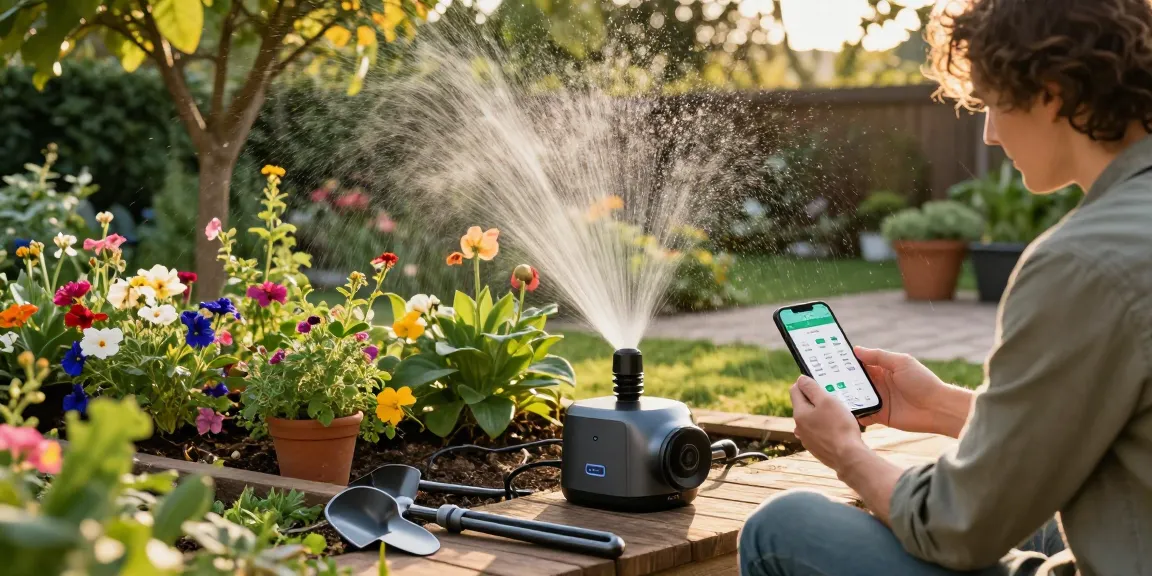
- Garden planning apps: Use mobile applications to design garden layouts, track growth, and remind you of care schedules.
- Soil moisture sensors: These devices provide real-time data on soil moisture levels, helping you avoid over or under-watering.
- Smart irrigation systems: Automated watering systems can adjust based on weather patterns and soil moisture readings, promoting efficient water use.
Integrating technological advancements into your gardening practice can aid in efficiency and productivity.
This extensive guide presents core principles and advanced techniques for anyone interested in Gardening. Whether you are just starting out or looking to enhance your existing skills, these insights can lead to a flourishing and more sustainable garden.