Understanding Metal Roofing
What is Metal Roofing?
Metal roofing is a roofing system made from metal pieces or tiles. It is known for its durability, longevity, and energy efficiency compared to traditional roofing materials like asphalt shingles or tile. Metal roofing can be composed of various metals, including steel, aluminum, and copper, each offering distinct advantages. This roofing option has gained immense popularity due to its ability to withstand extreme weather conditions, making it an ideal choice for homes in varied climates. Additionally, metal roofing can be designed to mimic the look of traditional roofing materials, allowing for aesthetic versatility.
Benefits of Metal Roofing
The benefits of metal roofing extend beyond its aesthetic appeal. One primary advantage is its exceptional durability; metal roofs can last between 40 to 70 years, substantially outlasting asphalt shingles, which typically need to be replaced every 20 years. Metal roofs are also highly resistant to wind, hail, and moisture, reducing the risk of roof damage. Furthermore, they are environmentally friendly, often made from recycled materials and fully recyclable at the end of their life span. Energy efficiency is another crucial benefit; metal roofing reflects solar radiant heat, which can lead to lower cooling costs in warm climates.
Common Metal Roofing Styles
Metal roofing comes in various styles that cater to different architectural designs and homeowner preferences. Popular styles include:
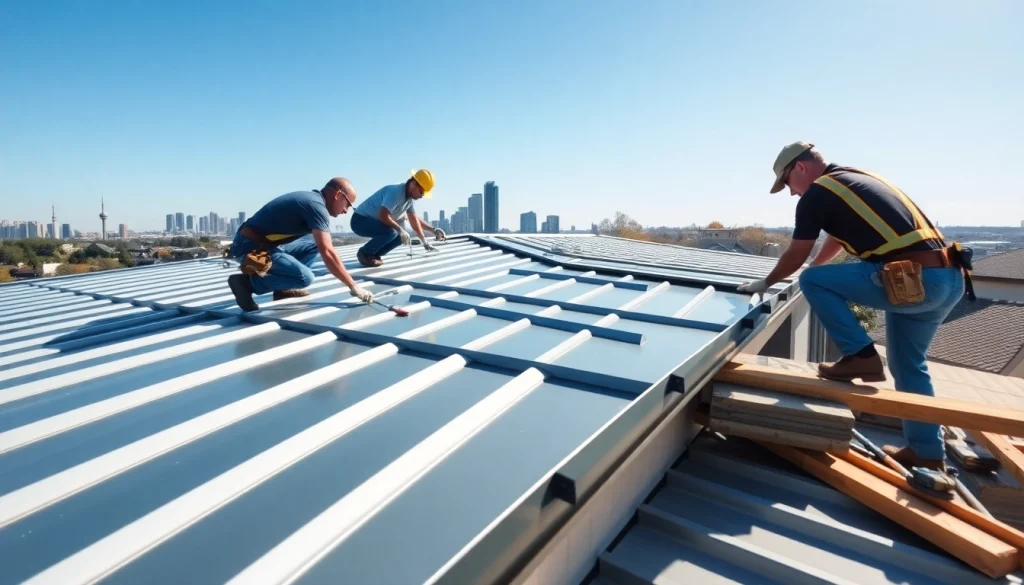
- Standing Seam: Characterized by vertical seams that rise above the plane of the roof, standing seam panels offer a sleek and modern appearance while providing excellent water drainage.
- Corrugated Metal: Known for its wavy pattern, corrugated metal roofing is often used in agricultural buildings but has gained favor in residential applications for its rustic charm.
- Metal Tiles: These resemble traditional roofing materials such as tiles or shingles, providing a classic look with the durability of metal.
- Metal Shingles: Designed to mimic the look of asphalt shingles, metal shingles provide one of the most versatile options in the metal roofing market.
Choosing the Right Metal Roofing Material
Popular Materials for Metal Roofing
When selecting metal roofing, understanding the different materials available is vital. The most common types include:
- Steel: Galvanized or Galvalume steel is often favored for its strength and affordability. It is typically coated to prevent rust, ensuring longevity.
- Aluminum: Lightweight and resistant to corrosion, aluminum is a great option for coastal areas where salt exposure can lead to rust.
- Copper: Known for its beauty and longevity, copper roofing develops a patina that protects it from the elements. However, it is one of the more expensive options.
- Zinc: Similar to copper, zinc roofs offer longevity and a natural weathered look. They are also recyclable and eco-friendly.
Comparing Costs of Metal Roofing Materials
Metal roofing can be a significant investment, but costs vary depending on the material selected and other factors such as installation and design. Here’s a brief overview of the average costs per square foot for various metal roofing options:
- Steel: $3 to $6
- Aluminum: $4 to $8
- Copper: $14 to $25
- Zinc: $6 to $12
While the initial cost may be higher than traditional roofing materials, the long life span and potential energy savings could result in lower overall costs over time.
Metal Roofing Lifespan and Durability
One of the primary advantages of metal roofing is its impressive lifespan. Depending on the material, metal roofs can last anywhere from 40 to 70 years, whereas asphalt shingle roofs typically last around 20 years. Steel roofs are particularly known for their durability against extreme weather conditions, including high winds and heavy snow loads. Regular maintenance can enhance the lifespan even further by preventing rust and other environmental factors that could lead to deterioration.
Installation Process of Metal Roofing
Preparing Your Home for Metal Roofing
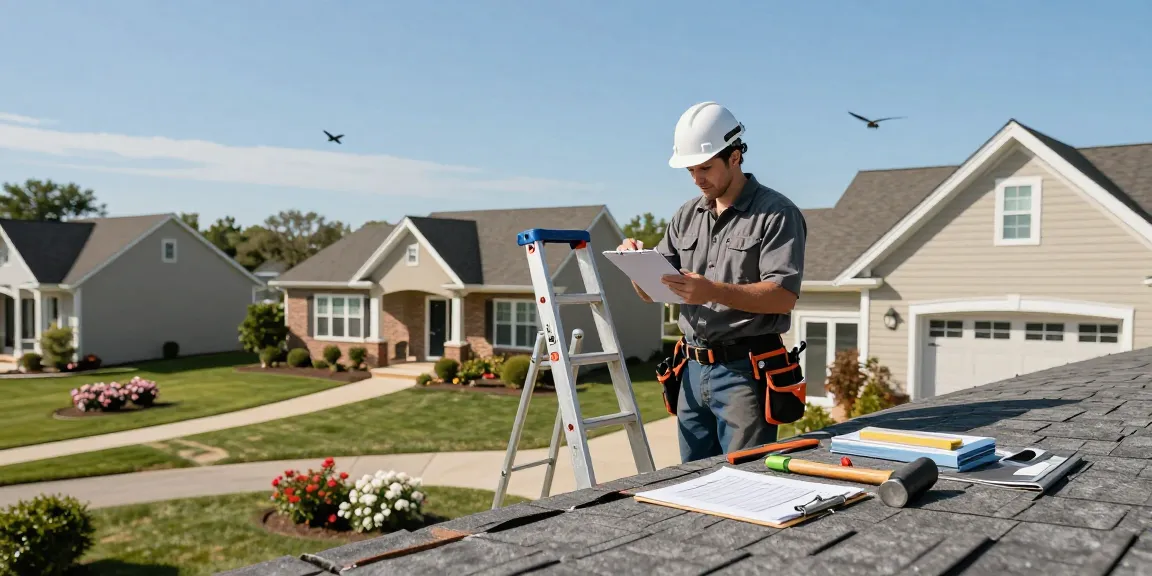
Before installation, homeowners should prepare their homes adequately to ensure a smooth process. This includes evaluating the roof's structure, removing existing roofing materials (if necessary), and ensuring proper insulation and ventilation. It may also be beneficial to consult with a professional roofer to address any underlying issues with the roof deck that could affect the installation process.
Step-by-Step Installation Guide
The installation process for metal roofing can be complex, but understanding the fundamental steps helps in planning. Here’s a general guide:
- Remove Old Roofing: If needed, remove existing shingles or roofing material to expose the roof deck.
- Inspect the Roof Deck: Check for damage, mold, or rot that may need replacing or repair.
- Add Insulation and Underlayment: Provides an additional layer of protection and can improve energy efficiency.
- Install Flashing: Apply metal flashing around chimneys, vents, and edges to prevent water entry.
- Install the Metal Panels: Start from the bottom and work your way up, securing panels tightly according to manufacturer recommendations.
Professional installation is recommended to ensure compliance with local building codes and achieve optimal performance.
Hiring a Professional for Metal Roofing
While some homeowners may choose to undertake roofing projects themselves, hiring a professional can save time and reduce risks. Skilled roofers are trained to install metal roofs correctly, ensuring proper sealing and preventing future problems. Look for licensed contractors with experience in metal roofing, positive reviews, and warranties on their work.
Maintenance Tips for Metal Roofing
Routine Maintenance Practices
Maintaining a metal roof involves routine checks and cleaning to preserve its aesthetic appeal and functional integrity. It is recommended to inspect the roof at least twice a year, focusing on the condition of seams, fasteners, and overall surface integrity. Cleaning debris, such as leaves and branches, from the roof surface and gutters helps prevent water build-up and potential rust.
Identifying and Fixing Common Issues
Common issues with metal roofs include rust, leaks around seams, and warped panels. Early detection can prevent extensive damage. Homeowners should look for rust spots and promptly treat them with a rust-inhibiting primer and paint. For leaks, sealant can be applied, or if necessary, professional help should be sought. Regular inspections enhance the roof's lifespan, ensuring that minor issues do not escalate into costly repairs.
Long-term Care for Metal Roofing
Long-term care involves periodic inspections and maintenance every few years to ensure the roof remains in top condition. Homeowners should be proactive in checking for signs of wear, performing regular cleanings, and addressing any damages promptly. It may be advantageous to establish a relationship with a roofing contractor for maintenance services, ensuring expert care tailored to the roof's materials and design.
FAQs About Metal Roofing
Is metal roofing noisy during rain?
Metal roofing can be noisy during heavy rain or hail, but proper insulation and underlayment significantly dampen sound levels, making them comparable to other roofing types.
Can I install metal roofing over existing shingles?
Yes, metal roofing can often be installed over existing shingles, reducing installation time and cost, although local building codes should be checked first.
What colors are available for metal roofing?
Metal roofing comes in an extensive range of colors, from traditional shades like red, green, and blue to modern neutrals such as gray and black, allowing customization to match any home.
How does metal roofing perform in extreme weather?
Metal roofs perform exceptionally well in extreme weather, withstanding heavy winds, intense rain, and snow loads without suffering critical damage, making them reliable for diverse climates.
Is metal roofing environmentally friendly?
Yes, metal roofing is eco-friendly, often made from recycled materials, and is also recyclable at the end of its life cycle, reducing landfill waste and promoting sustainability.