Understanding Structural Steel Fabrication
What is Structural Steel Fabrication?
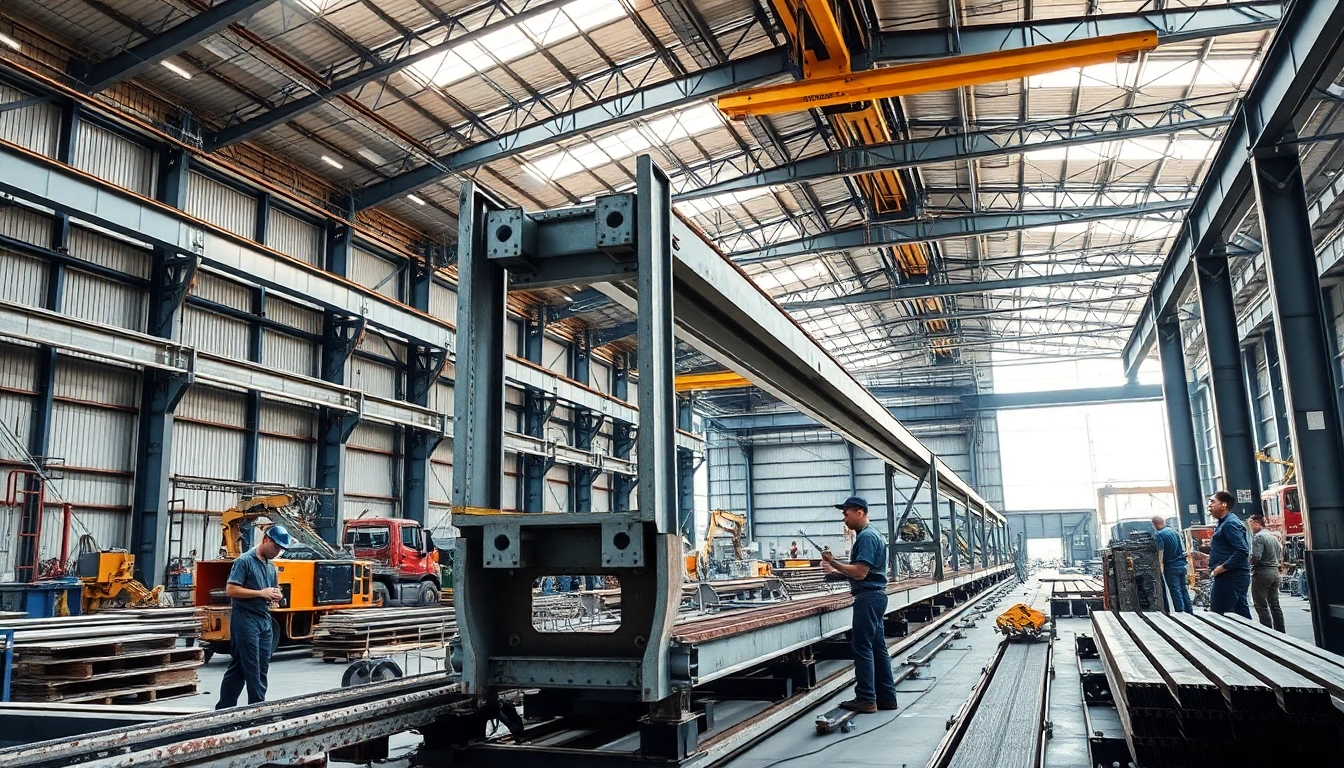
Structural steel fabrication is the process of creating steel structures by cutting, bending, and assembling steel materials to form intricate components essential for building projects. This vital industry supports the construction of a wide range of structures, from skyscrapers and bridges to railways and warehouses. The fabrication process involves converting raw steel into finished products, thus contributing significantly to the integrity and functionality of buildings. It requires a combination of engineering knowledge, skilled labor, and high-quality materials. In recent years, the demand for structural steel fabrication has seen significant growth, driven by urbanization and infrastructure development worldwide.
The Importance of Quality in Steel Fabrication
Quality in structural steel fabrication is paramount. High-quality fabrication ensures that the structures are safe, durable, and able to withstand environmental stressors such as wind, earthquakes, and heavy loads. Poorly fabricated steel components can lead to catastrophic failures, resulting in lost investments, harm to individuals, and long-term reputational damage for companies. To maintain quality, fabricators must adhere to strict industry standards and regulations, such as those set by the American Institute of Steel Construction (AISC) and other international standards organizations. Employing robust quality control processes, including thorough inspections and testing, helps to assure the structural integrity of final products.
Common Applications of Structural Steel
Structural steel has a myriad of applications across various industries. Some of the most common uses include:
- Commercial Buildings: High-rise office buildings, shopping malls, and hotels often utilize structural steel for their frameworks due to its strength-to-weight ratio.
- Industrial Structures: Factories, warehouses, and distribution centers benefit from the robust nature of steel, allowing for large, clear spans and heavy load-bearing capabilities.
- Infrastructure: Bridges, highways, and railways are predominantly constructed using structural steel due to its reliability and longevity.
- Residential Buildings: More builders are recognizing the benefits of steel in home construction, particularly in areas prone to severe weather.
Key Processes in Structural Steel Fabrication
Cutting and Shaping Steel Materials
The initial stage of structural steel fabrication involves cutting and shaping the raw materials. Various techniques are employed to accomplish this, including:
- Shearing: Used for cutting sheet steel into smaller pieces.
- Plasma Cutting: This process utilizes a high-velocity jet of ionized gas to cut through thin to medium steel plates with accuracy.
- Water Jet Cutting: An advanced method that uses high-pressure water mixed with abrasives to cut steel, ensuring the integrity of the material.
Once cut, materials undergo forming processes, which can include bending, punching, and drilling, to prepare them for assembly.
Welding Techniques for Structural Integrity
Welding is one of the most critical steps in structural steel fabrication, as it involves joining pieces to create a final structure. There are several welding methods, including:
- MIG Welding: Metal Inert Gas welding is efficient and ideal for thin materials, providing high-speed production.
- TIG Welding: Tungsten Inert Gas welding offers better control and is preferred for high-quality, precise welds.
- Submerged Arc Welding: This method allows for high productivity on thicker materials, ideal for heavy structural components.
Quality welds are essential for ensuring the overall strength of a structure and are tested using various methods such as ultrasonic and radiographic inspections.
Final Assembly and Quality Control
After cutting, shaping, and welding, the fabricated components are assembled into the final structure. This phase requires careful coordination to ensure that everything fits perfectly according to engineering specifications. Quality control is critical throughout this process, incorporating:
- Visual Inspection: Checking for obvious defects and ensuring aesthetic standards.
- Dimensional Checks: Utilizing tools to make sure that all pieces comply with specific measurements.
- Strength Testing: Conducting tests to guarantee that the structure can bear required loads.
Final inspection reports are usually generated to validate compliance with all applicable codes and standards before installation.
Best Practices for Efficiency in Steel Fabrication
Implementing Lean Manufacturing Principles
To enhance efficiency in steel fabrication, many companies are adopting lean manufacturing principles. These practices focus on minimizing waste without sacrificing productivity. Key strategies include:
- Value Stream Mapping: Analyzing the flow of materials and information to identify areas of waste.
- Just-in-Time Production: Producing only what is needed when it is needed, reducing holding costs and excess inventory.
- Continuous Improvement (Kaizen): Implementing an ongoing process of identifying and eliminating inefficiencies across all operations.
By continuously assessing and improving these areas, fabrication shops can enhance their operational efficiency, leading to lower costs and faster turnaround times.
Utilizing Modern Technology and Machinery
The integration of modern technology is essential for optimizing structural steel fabrication. Advanced machinery, such as CNC (Computer Numerical Control) machines, allows for precise cutting and shaping, significantly improving productivity. Additionally, the use of software for project management and fabrication modeling—such as Building Information Modeling (BIM)—facilitates better planning, communication, and coordination among stakeholders. These technologies not only streamline operations but also minimize errors and rework.
Training and Development for Workforce Optimization
A skilled workforce is crucial for the success of any fabrication facility. Regular training and development programs should be implemented to keep employees updated on the latest techniques, technologies, and safety standards. Investing in worker education leads to:
- Increased Productivity: Skilled workers can perform tasks more efficiently, maximizing output.
- Enhanced Quality: Trained employees are more adept at recognizing defects and adhering to quality control measures.
- Safety Improvements: Proper training reduces workplace accidents and enhances overall safety culture.
Employing a continuous development mindset can help organizations cultivate a more capable workforce that is better equipped to face industry challenges.
Common Challenges in Structural Steel Fabrication
Addressing Material Waste and Costs
Material waste is a significant concern in steel fabrication, impacting cost-effectiveness. Strategies to minimize waste include:
- Optimal Material Usage: Carefully planning cuts and shapes can considerably reduce scrap materials.
- Recycling Scrap Steel: Implementing a recycling program ensures that excess steel is reused, thus lowering procurement costs.
- Supplier Relationships: Collaborating with reliable suppliers can ensure quality materials at reasonable prices, potentially reducing waste due to poor quality.
Effective waste management and cost reduction measures not only enhance profitability but also contribute to sustainability goals.
Managing Project Timelines and Deadlines
Timely delivery is critical in the construction industry. Effective project management strategies can help in managing timelines and deadlines, such as:
- Clear Communication: Establishing transparent lines of communication among all project stakeholders can mitigate misunderstandings and delays.
- Agile Methodologies: Implementing flexible project management methods can facilitate quick adjustments in response to changing circumstances.
- Regular Progress Monitoring: Using project management tools to track milestones and deadlines keeps projects on schedule.
By adopting proactive project management practices, fabricators can ensure timely delivery, leading to higher client satisfaction.
Quality Assurance and Compliance Standards
Compliance with quality assurance standards is compulsory for structural steel fabrication. It is essential to implement a robust quality management system that includes:
- Documentation: Keeping detailed records of processes, inspections, and tests for accountability.
- Regular Audits: Conducting periodic internal checks to ensure adherence to quality standards and regulatory requirements.
- Certification: Obtaining necessary certifications (e.g., ISO certifications) can demonstrate commitment to quality and safety.
By prioritizing quality assurance and compliance, companies can build a strong reputation in the industry and foster trust with clients.
Future Trends in Structural Steel Fabrication
The Role of Automation and Robotics
The future of structural steel fabrication includes increasing automation and the use of robotics. Automated systems can perform repetitive tasks with high precision, minimizing human error and reducing labor costs. Robotics can also enhance safety by taking over dangerous tasks. As technologies evolve, companies can expect improved productivity and reduced operational costs through automation.
Sustainable Practices in Steel Production
Sustainability is becoming a critical focus in metal fabrication. Practices such as using renewable energy sources, recycling scrap materials, and minimizing waste are gaining traction. This shift helps organizations reduce their carbon footprint and align with global sustainability goals. Companies that prioritize sustainable practices can also benefit from positive public perception and potentially lower production costs over time.
Innovation in Design and Engineering Solutions
As technology advances, so do the possibilities for design and engineering in structural steel fabrication. Innovations such as modular construction and 3D printing are changing the landscape of fabrication. These techniques allow for greater flexibility in design, faster production times, and reduced costs, leading to more efficient construction processes. The ability to custom design components is likely to play an increasingly important role as projects become more complex and architecturally ambitious.