Understanding Land Irrigation
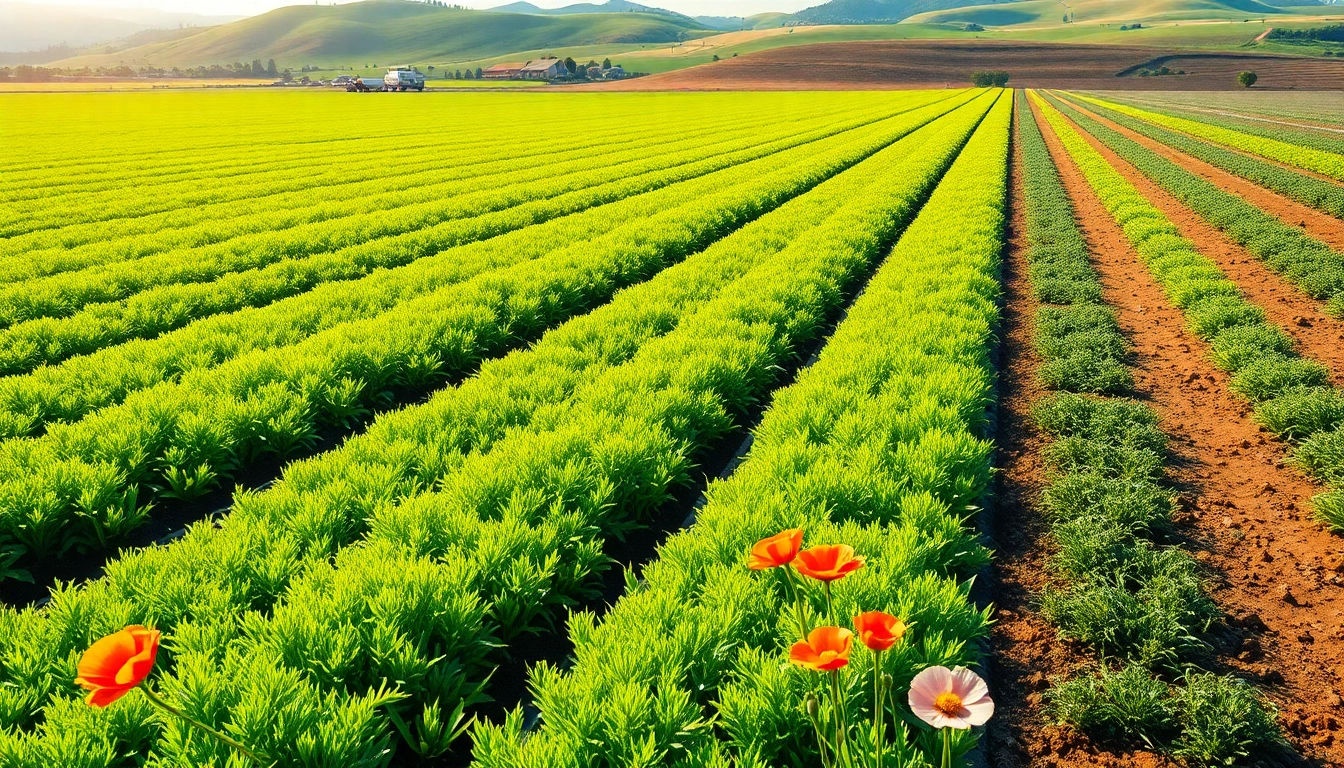
Land irrigation is crucial for maintaining agricultural productivity and ensuring food security. It involves the application of controlled amounts of water to crops at required intervals. This process mitigates the effects of drought and supports sustainable farming practices, which are increasingly vital in a changing climate. Effective management of land irrigation systems not only conserves water but also enhances crop yields, promoting economic viability for farmers.
The Importance of Land Irrigation
Land irrigation plays a pivotal role in agriculture by supplying water consistently, thus preventing crop stress during critical growth stages. In arid regions, where rainfall is unpredictable, irrigation can be the difference between a successful harvest and crop failure. Moreover, with global population growth leading to higher food demand, efficient irrigation systems become essential to maximize agricultural output while minimizing resource use.
Types of Land Irrigation Methods
There are several types of land irrigation methods that farmers can implement, each with its own strengths and weaknesses:
- Surface Irrigation: Water is applied directly to the soil surface and allowed to flow over fields by gravity. It's commonly used in large fields but can lead to uneven distribution.
- Drip Irrigation: A highly efficient system where water drips directly into the plant's root zone, reducing evaporation and runoff costs. Ideal for fruits, vegetables, and row crops.
- Sprinkler Irrigation: This method involves spraying water through a system of pipes and nozzles, simulating rainfall and can be adjusted to cover varying field shapes.
- Subsurface Irrigation: A method where water is delivered below the soil surface, enhancing water availability to roots while minimizing evaporation.
Factors Affecting Land Irrigation Efficiency
Efficiency in land irrigation is influenced by several factors, including:
- Soil Type: Different soils absorb water at varied rates. Sandy soils drain quickly, while clay soils retain moisture, influencing irrigation strategy.
- Climate: Temperature and humidity levels can affect evaporation rates. Regions with high temperatures may require more frequent irrigation.
- Crop Type: Different crops have unique water requirements, necessitating varied irrigation approaches to maximize yield.
- Irrigation System Design: The efficiency of the chosen irrigation method greatly impacts water conservation; improper design can lead to significant wastage.
Best Practices for Implementing Land Irrigation
Assessing Soil and Water Needs
A comprehensive assessment of soil health and water availability is fundamental for implementing an effective irrigation system. Conducting soil tests can help in determining pH, nutrient levels, and moisture retention capacity. Additionally, understanding the water source—be it surface water, groundwater, or rainwater harvesting—is critical to gauge sustainable irrigation practices.
Choosing the Right Irrigation System
Selecting an appropriate irrigation method depends on various factors such as crop type, economic viability, and available resources. Drip irrigation may be more suited for high-value crops, while surface irrigation might be more economical for vast crop areas. Before deciding, farmers should also consider installation and maintenance costs and the potential return on investment.
Scheduling and Maintenance Tips
Efficient irrigation scheduling is vital to ensure crops receive the right amount of water at the right time. Utilizing soil moisture sensors can assist in determining when to irrigate, preventing over or under-watering. Maintenance of irrigation systems is equally important; regular inspections can prevent leaks, clogs, or other issues that may reduce system efficacy and increase costs.
Technological Advances in Land Irrigation
Smart Irrigation Solutions
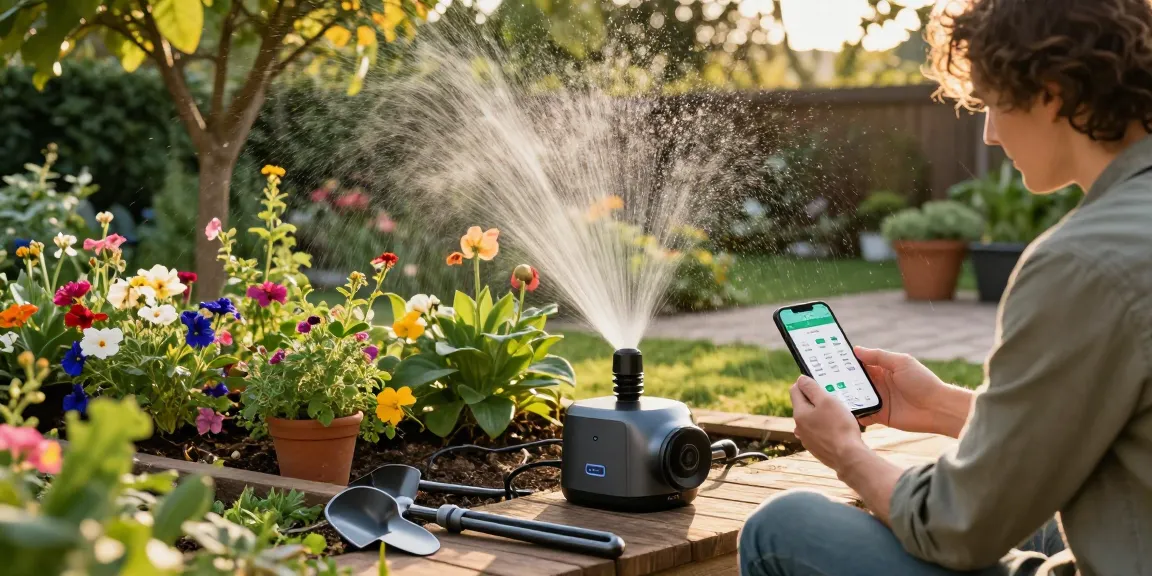
Smart irrigation systems utilize technology to optimize water usage based on real-time data. For instance, systems that integrate weather forecasts can adjust irrigation schedules automatically, ensuring that crops receive adequate moisture without unnecessary waste. These systems not only improve efficiency but can also reduce labor and operational costs.
Drones and Remote Sensing Applications
The use of drones in agriculture is revolutionizing land irrigation. Drones equipped with sensors can gather data on crop health, soil condition, and moisture levels from above, providing farmers with insights for informed decision-making regarding irrigation practices. This technology allows for more precise agricultural management and timely interventions.
Data-Driven Irrigation Management
Data-driven approaches to irrigation management employ analytics to improve resource efficiency. By analyzing historical weather patterns, soil moisture data, and crop water requirements, farmers can create tailored irrigation schedules, enhancing yield while conserving water. Furthermore, advanced tools like AI and machine learning can predict irrigation needs with increasing accuracy, ensuring optimal moisture levels for crops.
Challenges in Land Irrigation
Water Scarcity and Management Issues
Water scarcity poses significant challenges for effective land irrigation, especially in regions that rely heavily on agriculture. Competition for limited water resources can lead to conflicts among users and necessitate the need for integrated water management to ensure equitable distribution and sustainability.
Environmental Impact Considerations
The environmental impact of land irrigation cannot be overlooked. Overirrigation can lead to waterlogging and salinization of the soil, adversely impacting crop productivity. Implementing sustainable practices like rainwater harvesting and utilizing native drought-resistant crop varieties can help mitigate these environmental effects.
Cost-Benefit Analysis of Land Irrigation
Understanding the cost-benefit ratio of land irrigation is crucial for farmers. While initial investments in advanced irrigation systems may be significant, the long-term benefits of improved crop yields, reduced water costs, and enhanced sustainability often justify the expenditure. Conducting detailed analyses can aid farmers in making informed choices about their irrigation practices.
Future of Land Irrigation
Trends Shaping Land Irrigation
The future of land irrigation is being shaped by several trends, including increasing automation and the integration of precision agriculture techniques. As societal pressures regarding food security and resource management heighten, farmers will likely adopt more sophisticated technologies aimed at optimizing production while conserving essential resources.
Innovative Solutions for Sustainability
Sustainability in irrigation practices is becoming a pressing necessity as climate change impacts agricultural landscapes. Solutions like drought-tolerant crop varieties and aquifer recharge percolation can aid in building resilience against fluctuating water supplies. Moreover, the development of localized irrigation solutions can address specific environmental needs and enhance agricultural sustainability.
Policy and Governance in Land Irrigation
Effective policy-making plays a critical role in shaping the future landscape of land irrigation. Government policies that promote water conservation, sustainable agricultural practices, and investment in irrigation infrastructure will be paramount for addressing the challenges posed by climate change and food insecurity. Collaborative efforts among stakeholders can cultivate a more resilient agricultural sector.
Frequently Asked Questions (FAQs)
What is land irrigation?
Land irrigation is the artificial application of water to soil or land to assist in the growth of crops and vegetation.
What are the types of irrigation?
The main types of irrigation are surface, drip, sprinkler, and subsurface irrigation, each suited for different farming conditions.
How does soil type affect irrigation?
Soil type influences how quickly water is absorbed, with sandy soils draining quickly and clay retaining moisture longer.
What is smart irrigation?
Smart irrigation employs technology to optimize water usage, adjusting schedules based on real-time data like weather forecasts.
What are the environmental impacts of irrigation?
Improper irrigation can lead to issues such as soil salinization, waterlogging, and depletion of local water resources, affecting ecosystems.