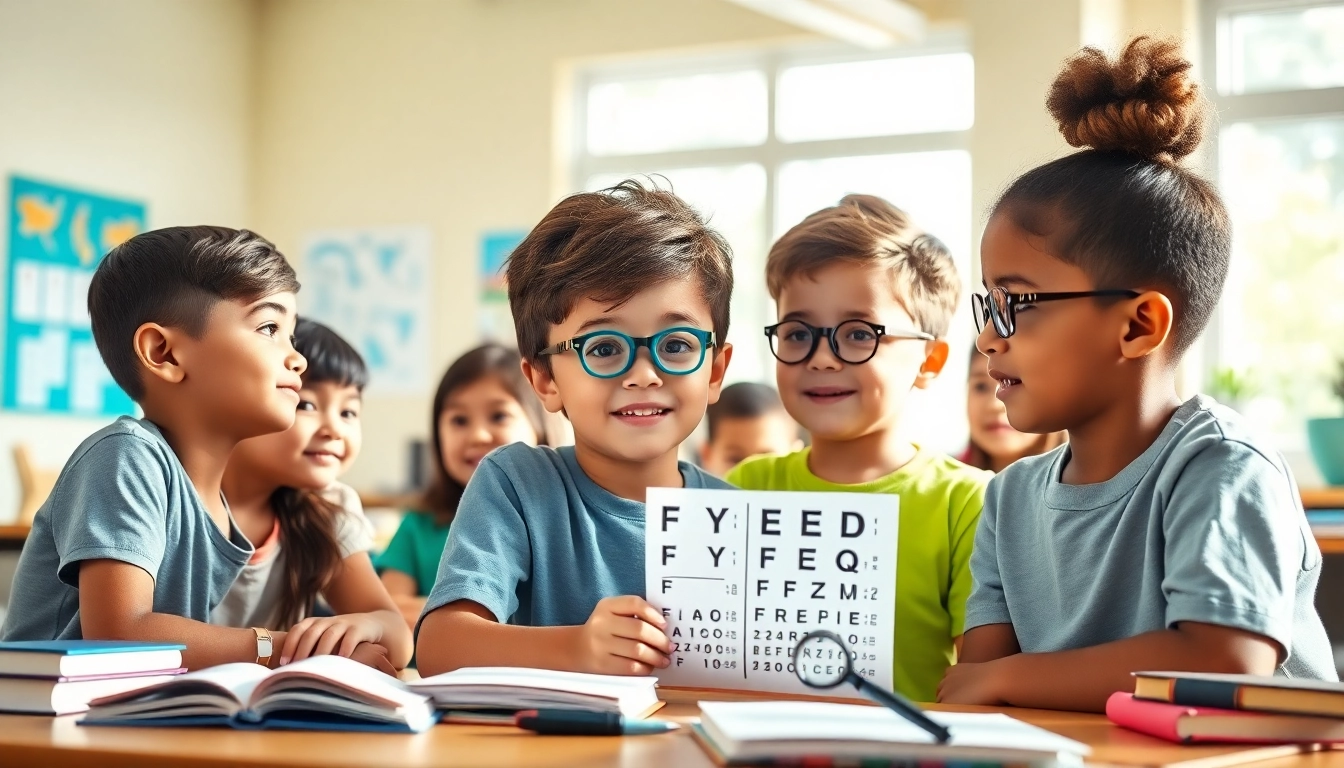
The Importance of Eye Health in Childhood
Maintaining eye health in children is crucial for their overall development and learning. Vision plays a fundamental role in a child’s ability to explore their environment, learn new skills, and achieve academic success. With a growing reliance on technology that can strain the eyes and an increase in screen time, ensuring that children have optimal vision is more important than ever. The initiative Our Children's Vision highlights the importance of eye health, offering resources and support to parents, educators, and health professionals alike.
Understanding Common Vision Problems
Children can experience a variety of vision problems, some of which may go unnoticed until they significantly impact their daily activities. Common vision issues include:
- Myopia (Nearsightedness): Children with myopia can see nearby objects clearly but struggle with objects far away. This condition is increasingly prevalent, especially with the increase in indoor activities.
- Hyperopia (Farsightedness): Children may have difficulty seeing objects up close, leading to challenges in learning tasks such as reading and writing.
- Astigmatism: This condition leads to blurred vision due to an irregularly shaped cornea and can be present alongside myopia or hyperopia.
- Strabismus: Commonly known as crossed eyes, this condition occurs when the eyes do not properly align and can affect depth perception and clarity of vision.
- Amblyopia: Also known as lazy eye, this condition occurs when the brain favors one eye over the other, resulting in poorer vision development in the affected eye.
Understanding these conditions enables parents and educators to be more vigilant about a child's vision and seek appropriate interventions when necessary.
How Eye Health Affects Learning
Vision is integral to learning; approximately 80% of what children learn is acquired through visual stimuli. Learning disabilities are often linked to undiagnosed vision issues. A child with an uncorrected vision impairment may struggle to read the board, complete assignments, or participate in classroom activities, leading to frustration and disengagement. Studies show that correcting vision problems, such as providing eyeglasses or addressing more complex conditions, can lead to significant improvements in academic performance and social interactions.
Signs of Vision Issues in Children
Parents and teachers should be aware of the signs that may indicate a vision problem in children. These signs can include:
- Frequent squinting or closing one eye to see better
- A tendency to sit too close to the television or hold reading materials very close
- Difficulty concentrating on reading or writing tasks
- Frequent headaches or complaints of eye discomfort
- Increased sensitivity to light or excessive tearing
If such signs are observed, it’s essential to schedule an eye examination with a qualified healthcare provider to assess and address any potential vision issues.
Strategies for Enhancing Our Children's Vision
Proactive measures can significantly improve children's eye health and help them develop good habits that will last a lifetime. Here are several strategies that parents and educators can implement:
Tips for Parents on Eye Care
Parents play a critical role in maintaining their children's eye health. Here are some actionable tips:
- Regular Eye Exams: Schedule comprehensive eye exams regularly to catch any potential vision issues early. Aim for an examination at least once a year or more frequently if any issues arise.
- Limit Screen Time: Follow the 20-20-20 rule: after 20 minutes of screen time, have your child look at something 20 feet away for at least 20 seconds to reduce eye strain.
- Encourage Outdoor Play: Encourage children to spend time outdoors. Studies suggest that outdoor light exposure may help reduce the risk of myopia.
- Promote Healthy Reading Habits: Ensure that reading materials are held at an appropriate distance and that children have adequate lighting while reading.
- Lead by Example: Model good eye care behavior by practicing eye health habits yourself.
Incorporating Vision Screenings into School Programs
Schools can play an essential role in promoting eye health by incorporating vision screenings into their health programs. By implementing regular vision checks, educators can identify children who may be struggling with vision problems that impact their learning. Coordinating these screenings with local eye care professionals ensures that children have access to necessary follow-up care.
Additionally, raising awareness among staff about the signs of vision issues will empower them to refer students for eye exams proactively, thereby reducing barriers to proper care.
Engaging Activities to Promote Healthy Eyes
Incorporating fun and engaging activities that promote eye health can help children understand the significance of taking care of their eyes. Activities might include:
- Vision Health Workshops: Organize sessions where children learn about the importance of eye health through interactive presentations, games, and demonstrations.
- Art Projects: Engage children in creating posters or art installations related to eye health, which can also be displayed in schools to spread awareness.
- Vision-friendly Sports: Encourage participation in sports and activities that promote outdoor play and physical health, contributing to overall well-being.
These engaging activities reinforce eye health concepts and encourage children to take an active interest in caring for their vision.
The Role of Nutrition in Eye Health
Nutrition plays a vital role in eye health, and a well-balanced diet can have a significant impact on children's vision development. Specific nutrients are critical for maintaining healthy eyesight.
Essential Vitamins for Vision
Certain vitamins and minerals are particularly beneficial for maintaining eye health:
- Vitamin A: Essential for maintaining a clear cornea and plays a key role in the formation of visual purple for night vision.
- Vitamin C: An antioxidant that helps protect the eyes against damage from free radicals and supports the health of blood vessels in the eyes.
- Vitamin E: Works as an antioxidant and may help prevent age-related eye conditions.
- Omega-3 Fatty Acids: These essential fats are important for proper visual development and may reduce the risk of dry eyes.
Creating a Child-Friendly Diet for Healthy Eyes
Establishing a child-friendly diet that promotes eye health can be both enjoyable and nutritious. Here are some tips to create a balanced meal plan:
- Incorporate Colorful Fruits and Vegetables: Include a variety of colors in your meals. Dark leafy greens, carrots, sweet potatoes, and berries are particularly nutritious for eye health.
- Opt for Whole Grains: Whole grain foods are a source of essential nutrients and can help regulate blood sugar levels, which supports overall health.
- Provide Healthy Fats: Include sources of omega-3 fatty acids, such as walnuts and fatty fish, in your child's diet for optimal eye health.
Food Choices That Support Sight
Along with general dietary recommendations, specific food choices can directly benefit children's vision:
- Carrots: Rich in beta-carotene, which converts to vitamin A in the body and supports good vision.
- Spinach and Kale: Loaded with lutein and zeaxanthin, antioxidants that protect against harmful light exposure.
- Citrus Fruits: Oranges and grapefruits are high in vitamin C, beneficial for overall eye health.
- Fish: Tuna, salmon, and sardines offer high levels of omega-3 fatty acids that promote retinal health and lower the risk of vision issues.
Encouraging children to make healthy food choices can set the foundation for good eye health throughout their lives.
Innovative Technologies for Improved Vision
With advancements in technology, eye care has evolved significantly, providing better solutions for vision correction and management of various eye conditions. Here, we explore some innovative technologies that are changing the landscape of eye health:
New Advances in Vision Correction
Recent developments in vision correction methods, including:
- Contact Lenses: New materials and designs, such as daily disposables and multifocals, enhance comfort and provide flexible options for children.
- Orthokeratology: Specialty lenses worn overnight that temporarily reshape the cornea, reducing myopia during the day without corrective lenses.
- Refractive Surgery: Advances in laser-assisted surgery techniques can offer permanent solutions for refractive errors.
These advancements provide children with more options, ensuring that they can achieve the best possible vision for their needs.
How Technology is Revolutionizing Eye Care
Technology is not only enhancing vision correction but also revolutionizing eye care practices:
- Telehealth Services: Online consultations enable parents to access eye health services and expert advice from the comfort of their home.
- Artificial Intelligence: AI is being integrated into screening processes, enabling early detection of eye diseases.
- Wearable Technology: Innovative devices can monitor eye health metrics, helping parents track their child's eye health proactively.
Incorporating Eye Health Technology in Schools
Schools can enhance eye health initiatives by incorporating technology into their programs. For instance, using apps to track screen time, implementing digital health assessments, and collaborating with tech companies to develop eye health education modules can all help promote awareness and improve outcomes. Educators can gain access to technologies that streamline vision screenings, making it easier and more efficient for schools to maintain eye health standards among students.
Community Programs Supporting Our Children's Vision
Building a strong community that prioritizes children's eye health is essential for fostering long-term change. Schools, parents, and healthcare professionals can collaborate to create effective programs and initiatives aimed at improving eye health outcomes.
Partnerships with Local Health Organizations
Developing partnerships with local health organizations is a powerful strategy for enhancing children's vision programs. Community health centers, optometry clinics, and non-profit organizations can work together to provide:
- Free or low-cost eye exams for underserved populations
- Workshops and outreach programs that educate families about maintaining good eye health
- Resources and support for identifying and addressing vision problems early
By pooling resources and expertise, communities can ensure that all children have access to necessary eye care and education.
Campaigns and Initiatives for Vision Awareness
Public awareness campaigns can significantly increase understanding of the importance of eye health. Initiatives may include:
- Health fairs that focus on eye care, providing free screenings and educational resources
- Social media campaigns highlighting the significance of regular eye checks and promoting local resources
- Collaboration with local businesses to sponsor vision awareness events or provide educational materials in schools
Awareness initiatives can mobilize communities to take action and support children's eye health, leading to early identification and prevention of serious issues.
How to Get Involved in Community Efforts
Parents, educators, and community members can play an active role in supporting children's vision initiatives. Here are some ways to get involved:
- Volunteer for local health organizations or schools that promote eye health screenings and education.
- Participate in community events that focus on eye care and share information on social media platforms.
- Advocate for policies that prioritize eye health in schools and funding for vision programs.
- Connect with other parents to create support groups that discuss eye health issues and share resources.
By engaging with local efforts and promoting eye health, we can collectively enhance the vision and well-being of our children.
In conclusion, prioritizing eye health in childhood is pivotal for ensuring lifelong learning and success. By understanding the importance of vision, implementing effective strategies, promoting healthy diets, embracing technology, and fostering community efforts, we can enhance Our Children's Vision and set them on a path toward a vibrant future filled with possibilities.