Understanding Structural Steel Fabrication
What is Structural Steel Fabrication?
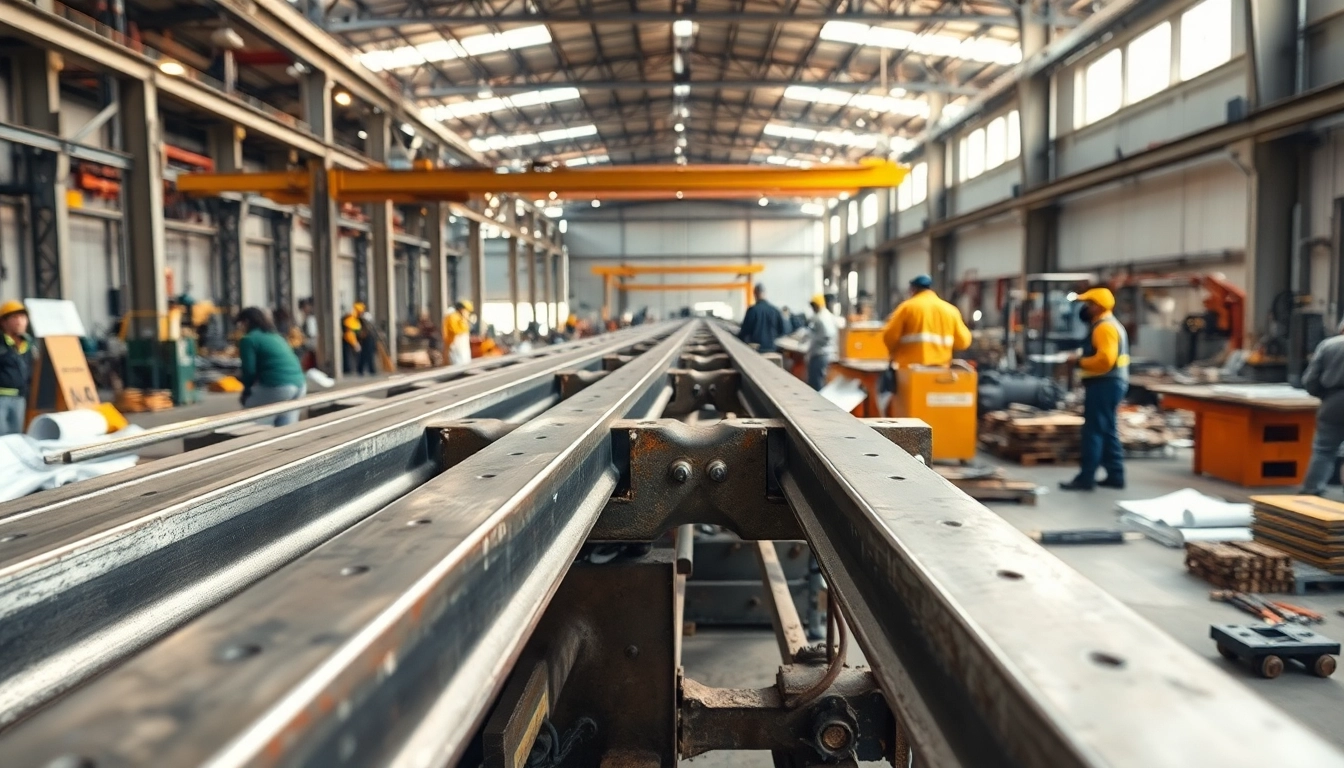
Structural steel fabrication is the process of constructing steel structures by cutting, bending, and assembling steel elements. This essential construction phase begins well before the actual construction, involving a series of meticulous tasks that transform raw steel into the structural components needed for buildings, bridges, and various industrial facilities. With an emphasis on precision and quality, structural steel fabrication encompasses everything from designing structural elements to actually shaping steel into various forms and sizes.
The Importance of Structural Steel in Construction
Structural steel is celebrated for its high strength-to-weight ratio, durability, and versatility, making it a preferred material for construction projects. It supports heavy loads and resists seismic and wind forces, which is essential in high-rise buildings and important infrastructures like bridges. The use of structural steel also leads to shorter construction times because it can be prefabricated off-site. This not only accelerates timelines but also reduces on-site labor costs and waste, resulting in more efficient projects overall. It serves not only structural purposes but also aesthetic ones, allowing for sleek, modern designs that meet contemporary architectural needs.
Key Processes in Structural Steel Fabrication
The key processes in structural steel fabrication include design, cutting, forming, and assembly. Each of these steps requires state-of-the-art equipment and skilled craftsmanship:
- Design: This phase involves creating detailed drawings and plans using computer-aided design (CAD) software, ensuring accuracy and compliance with engineering specifications.
- Cuts: Steel members are cut to length using various methods such as shearing, sawing, or plasma cutting, depending on the specifications and thickness of the material.
- Forming: This can involve bending or shaping materials to create specified angles and curves, often achieved through techniques like rolling or press braking.
- Assembly: The final step where components are welded, bolted, or riveted together to form intricate steel structures, ready for transportation and installation.
Materials Used in Structural Steel Fabrication
Types of Steel: Choosing the Right Material
The choice of steel type in structural steel fabrication significantly impacts the project's efficiency and effectiveness. Common types of steel used include:
- Carbon Steel: Known for its high strength and versatility, carbon steel is a popular choice for its affordability and range of grades that cater to different strength levels.
- Alloy Steel: Enhanced with other elements such as chromium or nickel, alloy steel offers improved strength, corrosion resistance, and durability.
- Stainless Steel: Renowned for its corrosion resistance, making it suitable for structures in harsh environments, like coastal areas or chemical plants.
Alloys and Their Benefits in Fabrication
Incorporating alloys into structural steel fabrication can offer numerous advantages. Alloying elements improve characteristics such as corrosion resistance, toughness, and fatigue strength. For example, adding nickel enhances toughness, especially in low temperatures, while chromium improves resistance to oxidation and wear, thus significantly extending the lifespan of the material.
Recycling and Sustainability in Steel Production
Sustainability in the steel industry is becoming increasingly important. Structural steel is recyclable, making it an eco-friendly choice for construction. Recycled steel can be used without losing strength and can comprise up to 90% of new steel products. Modern construction practices emphasize minimizing waste through precise fabrication processes and integrating recycled steel into new projects, ultimately lowering the carbon footprint of construction activities.
Fabrication Techniques and Technologies
Welding Methods for Structural Steel Fabrication
Welding is a critical technique in structural steel fabrication, ensuring strong, durable connections among components. Common welding methods include:
- MIG Welding: Metal Inert Gas (MIG) welding is popular due to its speed and versatility, suitable for different thicknesses and types of steel.
- TIG Welding: Tungsten Inert Gas (TIG) welding provides precision and is employed for intricate welds and thinner materials.
- Stick Welding: Also known as Shielded Metal Arc Welding (SMAW), this method is effective for outdoor work and in windy conditions.
Cutting Techniques: Ensuring Precision
Precision cutting methods are essential for the fabrication of structural steel elements. Techniques include:
- Plasma Cutting: Suitable for cutting steel of various thicknesses, plasma cutting offers speed and adaptability.
- Laser Cutting: Known for its high precision, laser cutting is ideal for intricate designs and tight tolerances.
- Water Jet Cutting: Utilizes high-pressure water jets to cut through steel, advantageous for thick sections without generating heat-affected zones.
Advanced Technologies in Fabrication
The structural steel fabrication industry is experiencing a technological revolution with innovations that enhance efficiency and quality. These include the use of robotics for automated welding and cutting, improving speed and consistency while reducing human error. Other advancements include the use of Building Information Modeling (BIM), allowing for better planning and seamless integration of various construction phases, ultimately ensuring a more streamlined fabrication process.
Quality Control in Structural Steel Fabrication
Standards and Certifications to Consider
Quality control in structural steel fabrication is paramount to ensure safety and reliability. Compliance with international standards such as ISO 9001 (Quality Management Systems) and specific construction standards like AISC certification helps companies demonstrate their commitment to quality. These standards dictate processes that ensure every fabricated element meets stringent quality and safety guidelines.
Inspections and Testing Methods
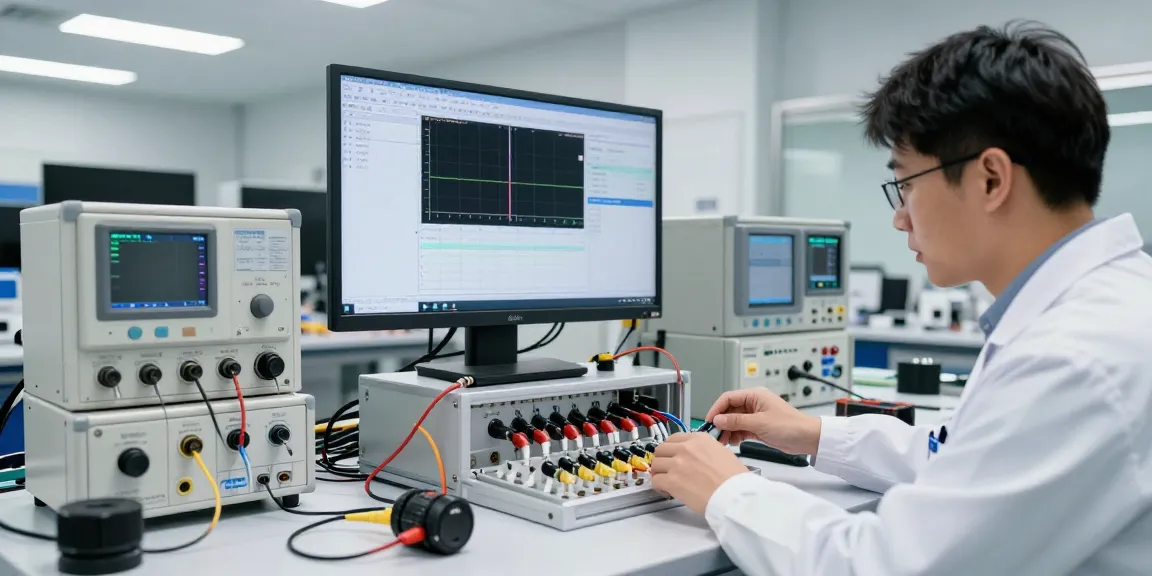
Regular inspections and testing methods ensure that the fabricated components meet specifications and safety standards. Non-destructive testing (NDT) methods such as ultrasonic testing or magnetic particle testing are employed to identify any potential faults or weaknesses in the steel elements without compromising their integrity.
Industry Best Practices for Quality Assurance
Best practices in quality assurance include implementing a robust quality control plan that outlines processes for inspection, testing, documentation, and corrective actions. Providing continuous training for workers ensures they are up-to-date with industry standards and practices is essential for maintaining high-quality outcomes.
Future Trends in Structural Steel Fabrication
Innovations Influencing the Fabrication Industry
As technology continues to evolve, the structural steel fabrication industry is witnessing several innovations. One key trend is the integration of digital twins, virtual simulations that allow fabricators to predict the performance and identify potential issues in fabrication processes, ultimately leading to better decision-making and reduced costs.
Impact of Automation and Robotics
Automation and robotics are transforming structural steel fabrication, streamlining processes, enhancing precision, and reducing error rates. Robotics in welding and assembly processes not only improves speed but also frees skilled labor for more complex tasks, ensuring better resource allocation and improved efficiency across the board.
Future-Proofing Your Fabrication Processes
Future-proofing structural steel fabrication involves investing in technology that can adapt to changing demands and integrating sustainability into practices. Companies should focus on continuous training for employees, adopting flexible manufacturing systems, and embracing digital tools like project management software to enhance collaboration and efficiency.
Frequently Asked Questions (FAQs)
What is structural steel fabrication?
Structural steel fabrication is the process of shaping and assembling steel components for construction, ensuring they meet design specifications and safety standards.
How is structural steel used in construction?
It provides framework support in buildings, bridges, and industrial structures, known for its strength and durability, suitable for heavy loads and environmental stresses.
What materials are typically used in fabrication?
Common materials include carbon steel, alloy steel, and stainless steel, each selected based on desired strength, corrosion resistance, and intended use.
What are the main welding methods?
Main welding methods include MIG, TIG, and stick welding, each chosen based on material thickness, project requirements, and environmental conditions.
How does quality control work in fabrication?
Quality control involves adhering to standards, conducting inspections and tests, thereby ensuring that fabricated elements are safe, reliable, and meet specifications.