Understanding Modern Furniture Design
Modern furniture has revolutionized how we perceive and utilize our living spaces. Drawing inspiration from simplicity and minimalism, modern furniture emphasizes form and function. From sleek lines to innovative materials, the charm of modern furniture lies in its adaptability and style, making it a staple in contemporary design.
Historical Context of Modern Furniture
The roots of modern furniture trace back to the late 19th and early 20th centuries, driven by the Industrial Revolution. This period saw a move away from ornate designs and heavy craftsmanship prevalent in traditional furniture. Instead, designers such as Charles and Ray Eames, Le Corbusier, and Ludwig Mies van der Rohe introduced concepts focused on industrial mass production, which democratized design and accessibility.
Modernism embraced a philosophy that valued simplicity and functionality, leading to the creation of iconic pieces like the Barcelona chair and the Eames lounge chair. These elements remain influential, resonating in today’s design trends, which often favor clean lines, geometric shapes, and innovative materials.
Key Characteristics of Modern Furniture
Modern furniture is characterized by several distinct features that set it apart from other styles:
- Simplicity: Modern furniture champions uncluttered aesthetics, favoring straightforward shapes over excessive ornamentation.
- Functionality: Each piece is designed with a clear purpose, ensuring that it meets the needs of modern lifestyles effectively.
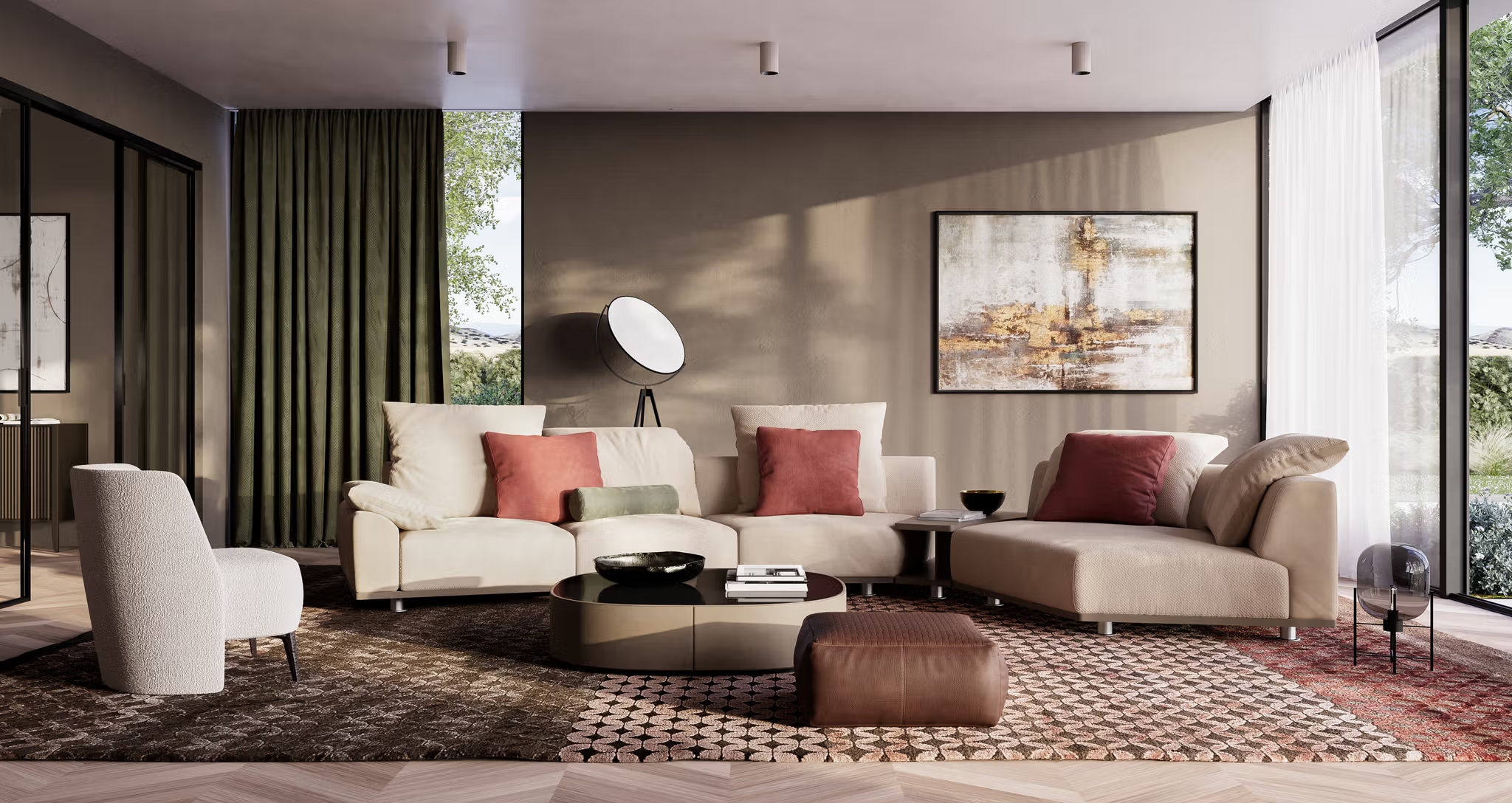
- Minimalism: A focus on essentials allows for an open and airy feel in spaces, often utilizing a limited color palette.
- Innovative Materials: The incorporation of new materials such as molded plywood, metal, and glass sets modern designs apart.
- Integration with Nature: Large windows and open spaces in modern homes promote a connection between the indoors and outdoors, often reflected in the choice of natural materials.
How Modern Furniture Fits Various Aesthetics
Modern furniture isn’t limited to a single aesthetic; it can seamlessly fit into a variety of design styles:
- Scandinavian: Known for its emphasis on functionality and natural aesthetics, modern furniture complements the clean lines and muted tones typical of Scandinavian style.
- Industrial: The raw materials and minimalist approach of modern furniture harmonize well with the ruggedness of industrial design, enhancing urban living spaces.
- Mid-Century Modern: This style celebrates organic forms and bright colors, making modern furniture a perfect match for bold patterns and textures from this era.
- Contemporary: Modern pieces typically align with contemporary styles that evolve based on current trends, reflecting societal changes.
Choosing the Right Pieces for Your Home
When it comes to selecting modern furniture for your home, thoughtful consideration is key. Finding pieces that resonate with your space’s aesthetics while balancing practicality can enhance your living environment significantly.
Identifying Your Space Requirements
Understanding your space is the first step toward effective furniture selection. Measure the dimensions of rooms to ensure that chosen pieces fit comfortably without overcrowding. Consider the flow of natural light and how it interacts with your furnishings. Aim for a balance between spaciousness and comfort to foster an inviting atmosphere.
Styles and Themes for Modern Furniture
Define the style you want to achieve, as modern furniture spans a range of themes. Are you drawn towards minimalism, elegance, or perhaps a juxtaposition with vintage elements? Create mood boards that capture your vision to help guide your choices. Seek furniture that reflects your personality while adhering to your chosen theme.
How to Balance Functionality and Aesthetics
Striking the right balance between functionality and visual appeal is crucial. Opt for modular pieces that offer flexibility, such as expandable dining tables or sofas that convert into beds. Multitasking furniture ensures that your living space remains organized and uncluttered, providing you with both style and convenience.
Maintaining Your Modern Furniture
Once you've acquired modern furniture, proper maintenance becomes essential to preserve quality and aesthetics over time. Regular care enhances durability and keeps your space looking fresh.
Cleaning and Care Tips
Different materials require distinct care regimes. For instance, wooden furniture can typically be wiped with a soft, damp cloth and occasionally polished using specialized products. Metal structures may need regular dusting and rust protection, while upholstered items could benefit from occasional vacuuming and steam cleaning to remove dirt.
Repair and Restoration Methods
Even modern furniture can suffer from wear. Small scratches on wooden surfaces can be repaired with wood filler, while for damaged leather upholstery, color-matching kits can restore its original hue. Knowing when to seek professional restoration services is also vital for preserving high-value items.
When to Update or Replace Furniture
Furniture should evolve alongside your lifestyle. If certain pieces no longer meet your needs or if they detract from your living space's aesthetic, consider updating or replacing them. Signs such as discomfort, lack of practicality, or excessive wear can be indicators that it's time for change.
Creating a Cohesive Design with Modern Furniture
To achieve a harmonious interior, the integration of modern furniture must adhere to a cohesive design strategy. Consider how colors, textures, and arrangements all influence the overall aesthetic.
Color Schemes and Textures
Choose color palettes that create an inviting atmosphere. Neutral tones often serve as a perfect backdrop for bolder accent pieces. Textures can add depth; for example, pairing a sleek leather sofa with a soft wool blanket provides visual contrast that elevates the overall design.
Combining Materials for Visual Interest
Mixing materials can create captivating focal points. Consider pairing wood with metal elements, such as a wooden coffee table with metal legs, or using glass in combination with textiles for a balanced look. Remember to maintain consistency in design elements to ensure the room feels intentional.
Arranging Furniture for Flow and Function
Furniture arrangement greatly influences how well spaces function. Create pathways to promote ease of movement, and avoid blocking natural light sources. Arranging seating in conversational clusters can enhance connectivity, while maximizing areas for socialization contributes to an inviting atmosphere.
Incorporating Modern Furniture into Small Spaces
As urban living continues to grow, many find themselves in smaller spaces where design becomes more critical. The right modern furniture can maximize functionality while enhancing style, even in limited square footage.
Best Space-Saving Modern Furniture Solutions
Furniture that serves multiple purposes is vital in small spaces. Look for nesting tables, stackable chairs, or wall-mounted shelves that provide storage without sacrificing floor space. Murphy beds or sofa beds are also excellent choices for maximizing efficiency.
Multipurpose Modern Furniture for Efficiency
Utilizing multifunctional furniture can drastically improve small living arrangements. Ottomans that double as storage units, expandable dining tables, or corner sofas with built-in storage cater to various needs, proving that practicality does not have to be at odds with aesthetics.
Tips for Enhancing Small Rooms with Modern Designs
In small rooms, using mirrors can create an illusion of space. Bright, airy colors and minimal decorations prevent overcrowding. Opt for low-profile furniture to maintain a sense of openness above the floor line and ensure that elements are proportionate to the room’s dimensions.
Frequently Asked Questions
What defines modern furniture?
Modern furniture is characterized by clean lines, functional design, and innovative materials that favor simplicity and minimalistic aesthetics.
How can I choose the right modern furniture for my home?
Consider your space requirements, preferred style themes, and the balance between functionality and aesthetic appeal when choosing modern furniture.
What materials are popular in modern furniture design?
Typical materials used in modern furniture include metal, glass, molded plywood, and various textiles, promoting durability and style.
How do I maintain and clean modern furniture?
Regular cleaning, appropriate products for specific materials, and occasional professional cleaning ensure the longevity and appearance of modern furniture.
What tips are there for using modern furniture in small spaces?
Opt for space-saving solutions, multipurpose furniture, and light color schemes to enhance small rooms, creating a thoughtful and inviting environment.